
Image source: https://www.freepik.com/premium-photo/cheerful-guy-inviting-people-enter-home_311798584.htm#from_element=cross_selling__photo
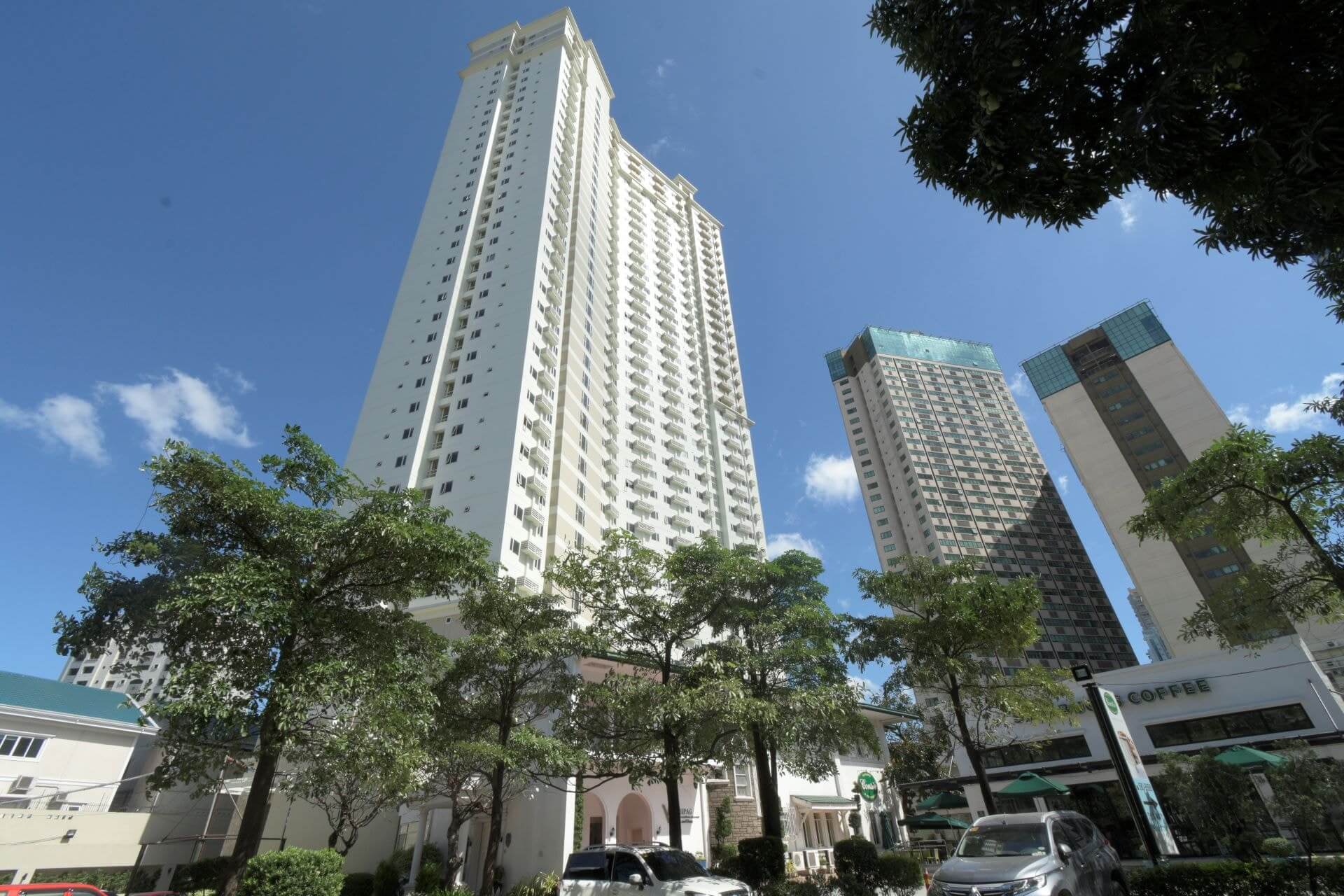
Across Metro Manila, condominium properties continue to redefine condo life: how people learn, live, and lead. Rising beside central business districts and transportation hubs, a high-rise development is more than a structure of steel and glass; it is a managed environment designed to support urban convenience, financial stability, and varying lifestyles.
For many buyers and investors, however, the excitement of a condominium purchase often centers on the location, the floor plan, and the amenities. Less attention is given to the framework that sustains harmony within: the beginner's guide to condo house rules and regulations designed to help residents understand living etiquette, become a good neighbor, and navigate ownership with clarity and confidence.
Condo Living: Private Space Within a Shared Structure
Condo living offers a distinction between purchasing your space and participating in a shared environment. When you acquire a condo unit, you attain exclusive rights while consolidating ownership of common areas with fellow residents, example, lobbies, hallways, elevators, swimming pools, fitness centers, function rooms, and landscaped public spaces, maintained to ensure accessibility and comfort for all.
This ownership model shapes condo living in fundamental ways. Unlike a house-and-lot property where boundaries are defined by walls or fences, a condominium integrates multiple homes in the sky within a single building. Cleanliness, noise levels, and even daily routines can directly affect neighbors living above, below, or beside you.
Understanding this structure is the first step in making informed decisions about condominium ownership. It reframes the experience not in isolation in a condominium property, but in cooperation in a vertical community.
.png)
The Role of the Condo Association and House Regulations
Behind every well-managed condominium is an association that oversees operations, enforces rules, and protects long-term property value. It is typically responsible for maintaining amenities, managing security protocols, collecting association dues, and implementing policies that preserve order.
Their own set of house regulations may initially appear restrictive, but they serve a practical purpose. Rules governing garbage disposal, short term rentals, visitor access, pet policies, and use of shared spaces are designed to balance individual freedoms with collective responsibility. In an urban setting like Metro Manila, where residents from diverse backgrounds converge in central business districts, transport hubs, and university clusters, clarity of rules and regulations prevents conflict and encourages coordination.
A good neighbor understands that rules and regulations are not arbitrary limitations, they are safeguards that maintain cleanliness, safety, and operational efficiency. Whether ensuring that cigarette butts are not discarded from balconies or requiring sufficient documentation when strangers enter the high-rise development, these policies reinforce security and mutual respect.
Reading the Fine Print Before a Condo Purchase
Many buyers are drawn to condominium properties because of their location near central business districts, transport hubs, and university clusters or because of attractive financing options and flexible payment schemes. However, a responsible purchase goes beyond comparing interest rates or securing a lower price. It involves reviewing the fine print that defines day-to-day life inside the high-rise development.
Before committing, buyers and investors should understand property taxes, association dues, and policies governing renovations or leasing. Financial stability depends not only on the down payment but also on managing the remaining balance under prevailing interest rates. Evaluating financing options carefully and aligning them with personal goals ensures that ownership remains sustainable throughout time.
Informed decisions protect both lifestyle and investment. A well-planned, well-located condominium property in the can generate long-term value, but only if responsibilities are clearly understood from the outset.

Respecting Shared Spaces and Amenities
One of the most attractive advantages of condo living is access that elevates everyday life. Swimming pools, fitness centers, function rooms, study rooms, landscaped public spaces, and other amenities create an environment often unavailable in traditional housing. These shared amenities support convenience and social interactions among residents.
Yet these privileges require discipline. In a condominium, shared spaces must be treated as extensions of one’s own home. Cleanliness, punctuality in bookings, and observance of occupancy guidelines preserve functionality for everyone. Leaving clutter in hallways, mishandling garbage disposal, or disregarding reservation procedures for function rooms undermines the collective experience.
A vertical community thrives when residents recognize that low maintenance living depends on cooperation. The convenience associated with condo living is sustained through mutual respect and consistent adherence to established rules.
Noise, Privacy, and Everyday Consideration
Because units are stacked vertically and aligned horizontally, noise levels in a condo building can quickly become a point of tension. After a long day in the city, residents seek rest and privacy within their own space. Excessive sound from gatherings, renovations, or loud appliances may disrupt neighboring homes in the sky.
Condo living etiquette encourages mindfulness. Observing designated quiet hours and communicating proactively with neighbors when hosting events can prevent misunderstandings. A small community within a high-rise development relies heavily on courtesy and empathy.
The concept of being a good neighbor extends beyond silence. It includes greeting fellow residents, resolving concerns through appropriate channels, and recognizing that harmonious social interactions enhance the overall lifestyle of the building.

A vertical community thrives when residents recognize that low maintenance living depends on cooperation. The convenience associated with condo living is sustained through mutual respect and consistent adherence to established rules.
Noise, Privacy, and Everyday Consideration
Because units are stacked vertically and aligned horizontally, noise levels in a condo building can quickly become a point of tension. After a long day in the city, residents seek rest and privacy within their own space. Excessive sound from gatherings, renovations, or loud appliances may disrupt neighboring homes in the sky.
Condo living etiquette encourages mindfulness. Observing designated quiet hours and communicating proactively with neighbors when hosting events can prevent misunderstandings. A small community within a high-rise development relies heavily on courtesy and empathy.
The concept of being a good neighbor extends beyond silence. It includes greeting fellow residents, resolving concerns through appropriate channels, and recognizing that harmonious social interactions enhance the overall lifestyle of the building.
Security Protocols and Responsible Access
Security measures in a condominium property are typically handled through coordinated efforts of the Property Management Office. Controlled entry points, visitor registration procedures, and elevator access systems protect and high-rise development and residents.
While these systems may occasionally feel procedural, they safeguard the vertical community from risk. Allowing strangers to enter without sufficient documentation compromises security for everyone. A responsible condominium owner supports established protocols, understanding that shared ownership also means shared vigilance.
In populated cities, security contributes significantly to property value and peace of mind. Compliance with access regulations reflects both personal commitment and cooperation to the community at large.
Financial Stewardship and Long-Term Investment
Beyond lifestyle considerations, condominium ownership is a real estate and finance decision. Many buyers and investors view their property as both residence and investment. One located in prime areas near central business districts or transport hubs can appreciate over time and generate income.
However, rental strategies such as short-term rentals are often governed by building policies. Some condo communities restrict these arrangements to preserve residential security. Owners pursuing investment opportunities must align their financial goals with association regulations.
Understanding recurring costs such as property taxes and association dues is essential to maintaining financial stability. Evaluating real estate developer reputation also plays a critical role. Someone with consistent quality standards strengthens long-term confidence in the performance and management of the property.
Condominiums, when chosen thoughtfully, offer low-maintenance living compared to traditional houses. This appeals to professionals, families, and investors seeking efficiency in a fast-paced environment.
Building Community Through Participation
While condo living emphasizes privacy within own space, it also offers opportunities to engage with a outside community. Attending meetings organized by the condo association allows residents to stay informed, voice concerns, and contribute to planning.
Participation fosters transparency and reinforces ownership. In a built environment, where diverse lifestyles coexist, communication strengthens trust and collaboration. Being proactive transforms a condominium from a collection of units into a cohesive property.
Living Well Within Structure
Navigating condo rules and regulations is not about restriction but structure. A condominium property operates through a carefully designed system that balances individual freedom with collective order. From garbage disposal procedures to amenity usage and security protocols, each contributes to stability and harmony.
For many buyers and investors in Metro Manila, condo living represents accessibility and convenience. Proximity to business districts, transport hubs, and university clusters supports lifestyle flexibility and professional growth. Yet the success of condo living depends on responsible residents who respect regulations and embrace values.
A condominium property is both a personal commitment and a shared cooperation. By understanding house rules and regulations, reviewing financing options carefully, comparing interest rates responsibly, and aligning investment strategies with association policies, owners secure their property and strengthen the community.
In the end, the true measure of ownership is not only the square meters of a unit or the sophistication of its amenities, it is the quality of life sustained within the building. When residents act as good neighbors, mindful of shared spaces, respectful of rules, and engaged in community—the condominium becomes more than an address in the city. It becomes a structured, sustainable environment where lifestyle and long-term value rise together.
.png)