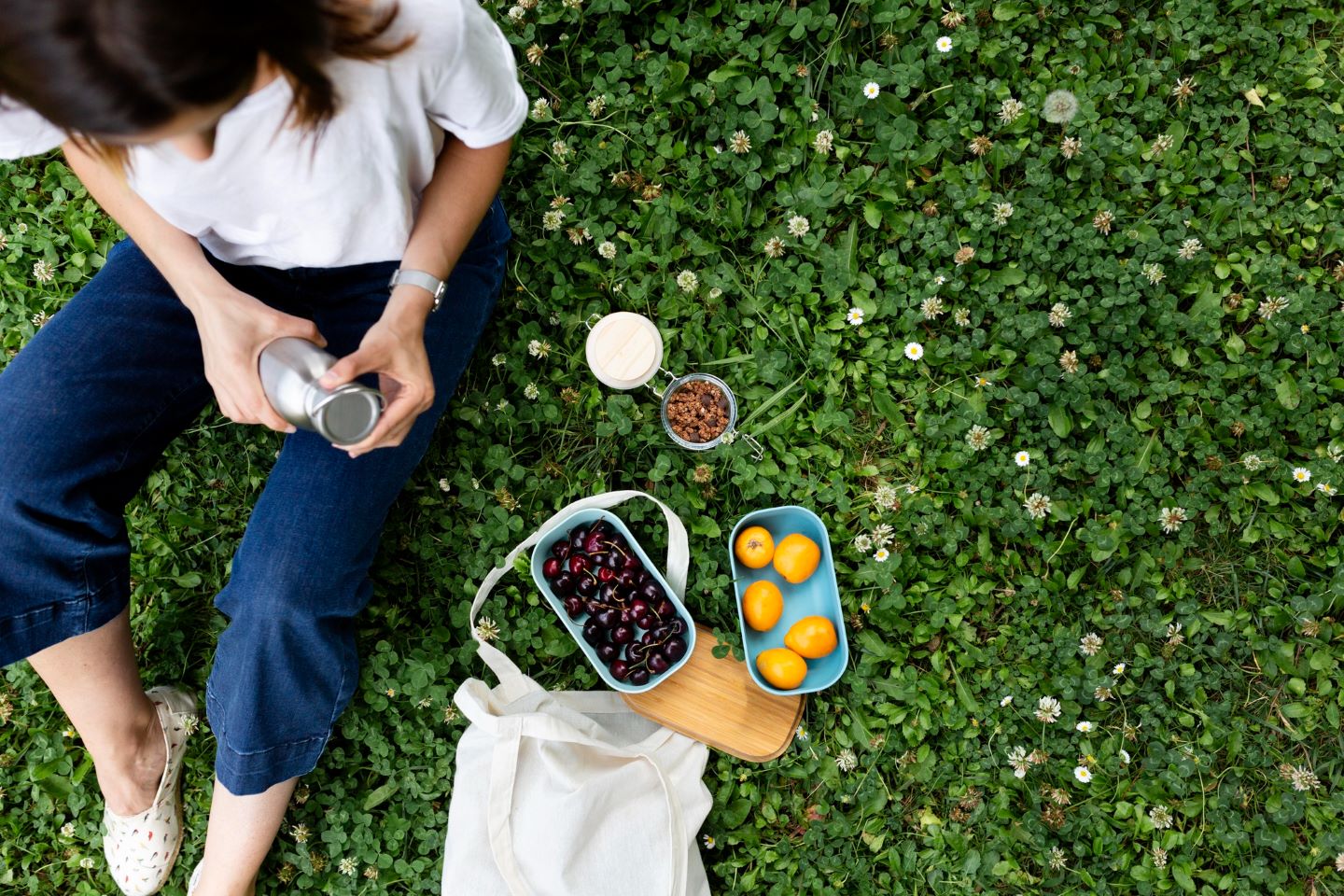
There comes a point in condo living when the small details begin to shape the way a space feels. At first, the focus is usually on the essentials, just like your house: a comfortable bed, a clean study table, proper lighting, enough storage, and the everyday tools that make school, work, and independent living easier. Over time, however, the space starts to call for something more personal, just like home.
This is where fresh herbs become a small but meaningful addition to condo living. A few pots by the window can make everyday meals feel fresher while giving your apartment a more lived in feel. Basil can be added to pasta, chives can make eggs taste better, mint can freshen up drinks, and lemongrass, also written as lemon grass, can bring familiar Filipino flavor to soups and sauces.
Growing herbs indoors is also practical for students, young professionals, and condo dwellers who want a simple indoor garden without needing a backyard, a large balcony, or a full garden setup. With the right herbs, enough natural light, good drainage, and a manageable care routine, even a compact condo can support plants that are useful, fragrant, and easy to enjoy.
For students living near the University Belt, this kind of setup makes sense because condo life is already about making space work harder. A unit often has to support studying, resting, eating, organizing, and building independence. An indoor herb garden adds freshness and function to that routine without taking up too much room.
Easy Herbs to Grow Inside Condo Spaces
The best easy herbs to grow inside condo spaces are herbs that can handle warm Philippine weather, container growing, limited room, and indoor conditions. Some herbs grow best near a sunny window, while others do better on a balcony where they can receive morning sun and better airflow. If your condo does not get enough direct sunlight, a grow light can help provide adequate light so your plants can continue growing indoors.
For beginners, the most practical herbs are basil, mint, lemon grass, oregano, chives, and parsley because they are useful in everyday cooking and can adjust well to condo life. Once you understand your space better, you can try thyme, rosemary, coriander, sage, dill, and lemon balm. These herbs can also be grown indoors, although some of them need more attention when it comes to sunlight, watering, moisture, and airflow.
The best way to start is to choose herbs you will actually use. If you cook pasta, sauces, or sandwiches, basil and oregano are strong choices. If you enjoy drinks or tea, mint and lemon balm are useful. If you cook soups or Filipino dishes, lemon grass is a practical addition. A herb garden should match your daily routine, especially when your schedule already includes classes, deadlines, errands, and time for rest.
Growing Herbs Indoors: What Your Condo Setup Needs
Growing herbs indoors becomes easier when the setup is simple and realistic. The first thing to check is your light source. Most herbs need several hours of sunlight each day, so a sunny window, windowsill, window sill, or balcony can make a big difference. A south facing window is helpful because it can give stronger natural light, especially if the window faces south and receives steady morning or midday sun.
If your unit does not get enough sunlight because of nearby buildings, tinted windows, or limited exposure, a grow light can support your indoor herbs year round. This is especially useful during rainy weeks or cooler months when the sun is not as strong. Some gardening tips from colder countries mention winter care, but in the Philippines, the bigger concern is usually humidity, heat, sudden rain, and making sure your plants still receive enough light indoors.
The second thing you need is the right container. Pots with drainage holes are important because herbs do not like sitting in wet soil for too long. Good drainage helps protect the roots from rot, especially in humid condo spaces where moisture can stay in the soil longer than expected. A fast draining potting mix is better than heavy outdoor soil because it gives roots enough air while still holding the nutrients your herbs need.
Watering should depend on the herb, not on one fixed schedule for every plant. Basil, mint, parsley, chives, and coriander usually like more consistent moisture, while rosemary, thyme, oregano, and sage prefer soil that dries slightly between watering. This is why separate pots are helpful. They allow you to adjust each herb’s placement and watering needs without making the setup complicated.
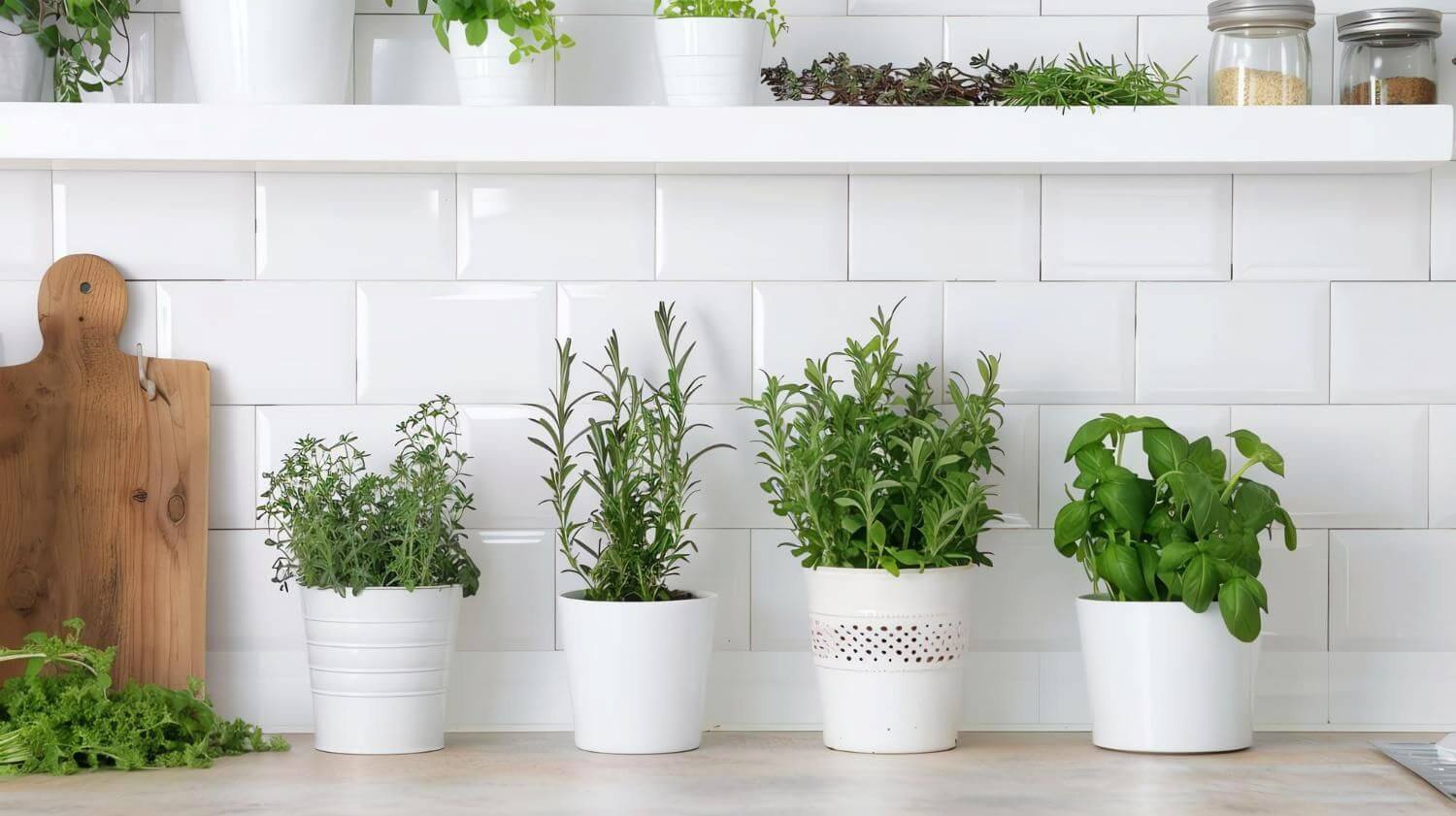
Image source: https://www.magnific.com/premium-photo/row-potted-herbs-kitchen-counter_272572028.htm
Indoor Herbs That Actually Work for PH Condo Living
1. Basil
Basil is one of the best herbs for beginners because it loves warmth and grows well in bright light. It can grow near a sunny window, on a kitchen windowsill, or on a balcony that gets morning sun. Basil needs regular watering, although the soil should not stay soggy, so a pot with good drainage is important.
This herb is for the student or young professional who wants pasta, sandwiches, eggs, sauces, soups, and salads to taste more complete. It is also a good choice for anyone trying to cook more at home because basil can make simple food feel fresh without needing expensive ingredients.
2. Mint
Mint is hardy, fragrant, and beginner friendly, which makes it one of the easiest herbs to grow indoors. It likes evenly moist soil, adequate light, and a container with good drainage. Mint should always be planted in separate pots because it grows aggressively and can take over other herbs if placed in the same container.
This herb is for those who enjoy iced tea, infused water, fresh drinks, and light desserts. Mint works well in tea, salads, and simple refreshments, and its fragrant foliage can also make a small apartment feel fresher.
3. Lemon Grass
Lemon grass is a practical herb for Philippine condo living because it enjoys warm weather and is already familiar in many Filipino kitchens. It can grow in a large pot, although it needs more space than smaller culinary herbs because the stems can grow tall. A balcony, sunny spot, or bright window with good airflow is ideal for lemon grass.
This herb is for anyone who cooks soups, chicken dishes, marinades, sauces, or tea. It is especially useful if you want your indoor herb garden to include something that feels familiar, fragrant, and suited to local cooking.
4. Oregano
Oregano is a strong container herb because it can handle warmth and does not need constant watering. It grows best with bright sunlight, good drainage, and soil that is allowed to dry slightly between watering. Oregano can grow indoors near a sunny window or outdoors on a balcony if your condo has one.
This herb is for those who like pasta, pizza, roasted dishes, chicken, and tomato based sauces. It is useful for students who want stronger flavor in everyday meals without buying a new bundle of herbs every time they cook.
5. Chives
Chives are compact, easy to grow, and ideal for small condo spaces. They do not need a large pot, so they can sit on a windowsill, kitchen shelf, or bright study corner with enough light. Chives have a light onion flavor, and regular harvesting of the stems helps encourage fresh growth.
This herb is for students who want maximum flavor with minimal effort. Chives work well with eggs, noodles, soups, rice meals, salads, and quick dinners, which makes them one of the most practical indoor herbs for busy schedules.
6. Parsley
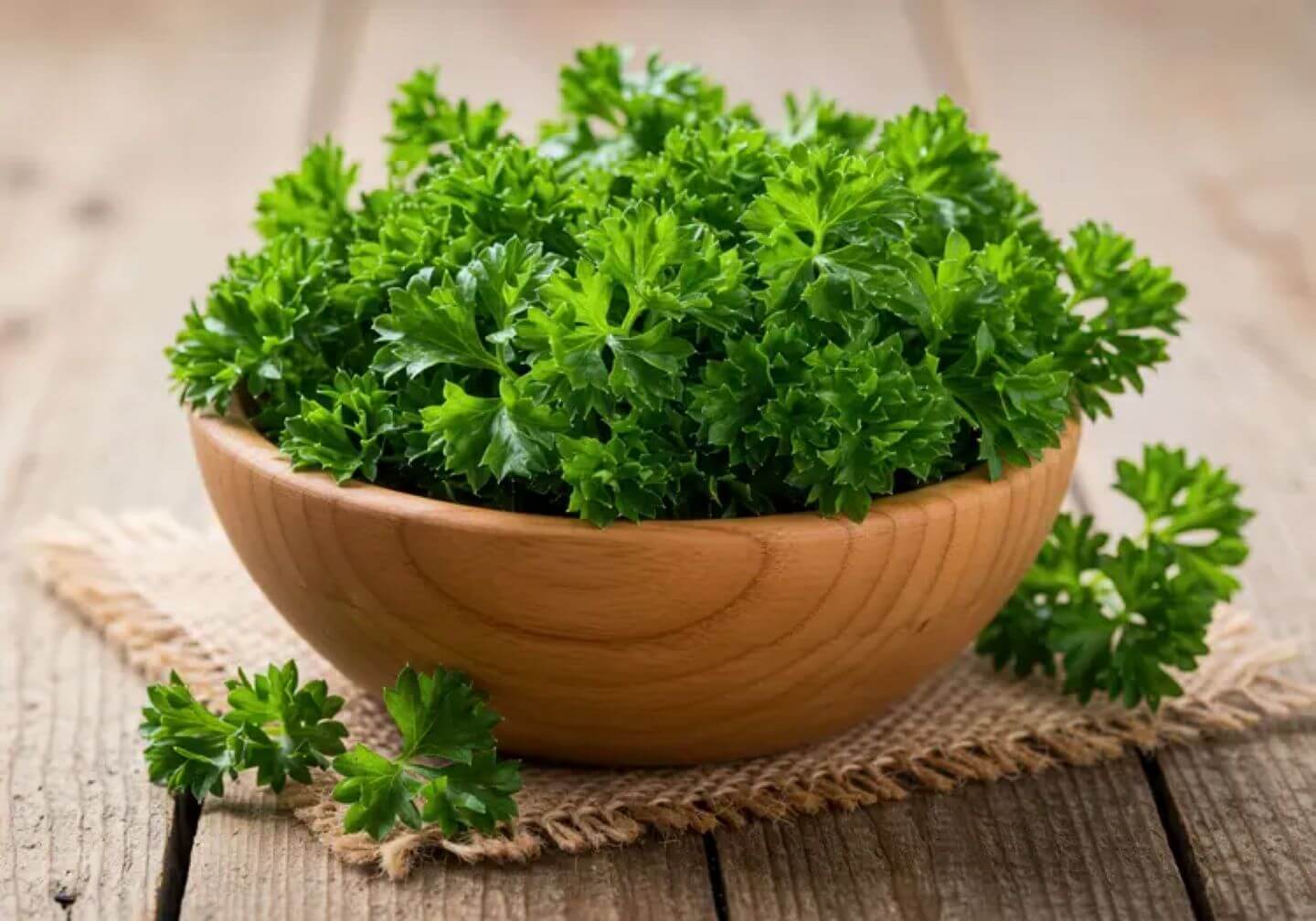
Parsley can grow indoors when it receives enough light and steady moisture. It may grow slower than basil or mint, but it becomes very useful once established. Flat leaf parsley usually has a stronger taste than curled parsley, which makes it better for cooking.
This herb is for meal prep, soups, salads, rice meals, vegetables, and sauces. Parsley is not the flashiest plant in the garden, but it is dependable and easy to use across different dishes.
7. Coriander
Coriander can grow indoors, but it needs more attention in warm Philippine weather because it may bolt quickly in heat. It does better with morning sun, steady moisture, and good airflow. If your window receives harsh afternoon sun, coriander may grow better in a bright but cooler spot.
This herb is for anyone who cooks Asian dishes, soups, sauces, rice bowls, and fresh toppings. It is a good choice if you enjoy bright flavor and are willing to pay closer attention to heat, watering, and sunlight.
8. Thyme
Thyme grows well in containers when it receives bright light, good drainage, and drier soil. It does not like being overwatered, so it can work for students who sometimes forget to water their plants. In humid condo spaces, thyme needs airflow and a fast-draining potting mix so the roots do not stay wet.
This herb is for those who like soups, roasted vegetables, chicken, potatoes, and sauces. Thyme has a subtle flavor, but it makes simple dishes taste more thoughtful.
9. Rosemary
Rosemary can grow in Philippine condo spaces, although it needs stronger light, good airflow, and fast-draining soil. It does not like too much moisture, so overwatering is the main thing to avoid. A balcony with morning sun or a very bright window is better than a dim indoor corner.
This herb is for those who like roasted food, potatoes, bread, chicken, and fragrant herbs. Rosemary is better for someone who already understands basic plant care because it is less forgiving than basil, mint, or chives.
10. Lemon Balm
Lemon balm grows well in pots and has a gentle lemon scent. It likes bright light, moderate watering, and regular trimming. Like mint, lemon balm is better in its own pot because it can grow quickly and spread more than expected.
This herb is for students who enjoy tea, fresh drinks, and fragrant plants near the study area or kitchen. Lemon balm is a pleasant addition once your beginner herbs are already doing well.
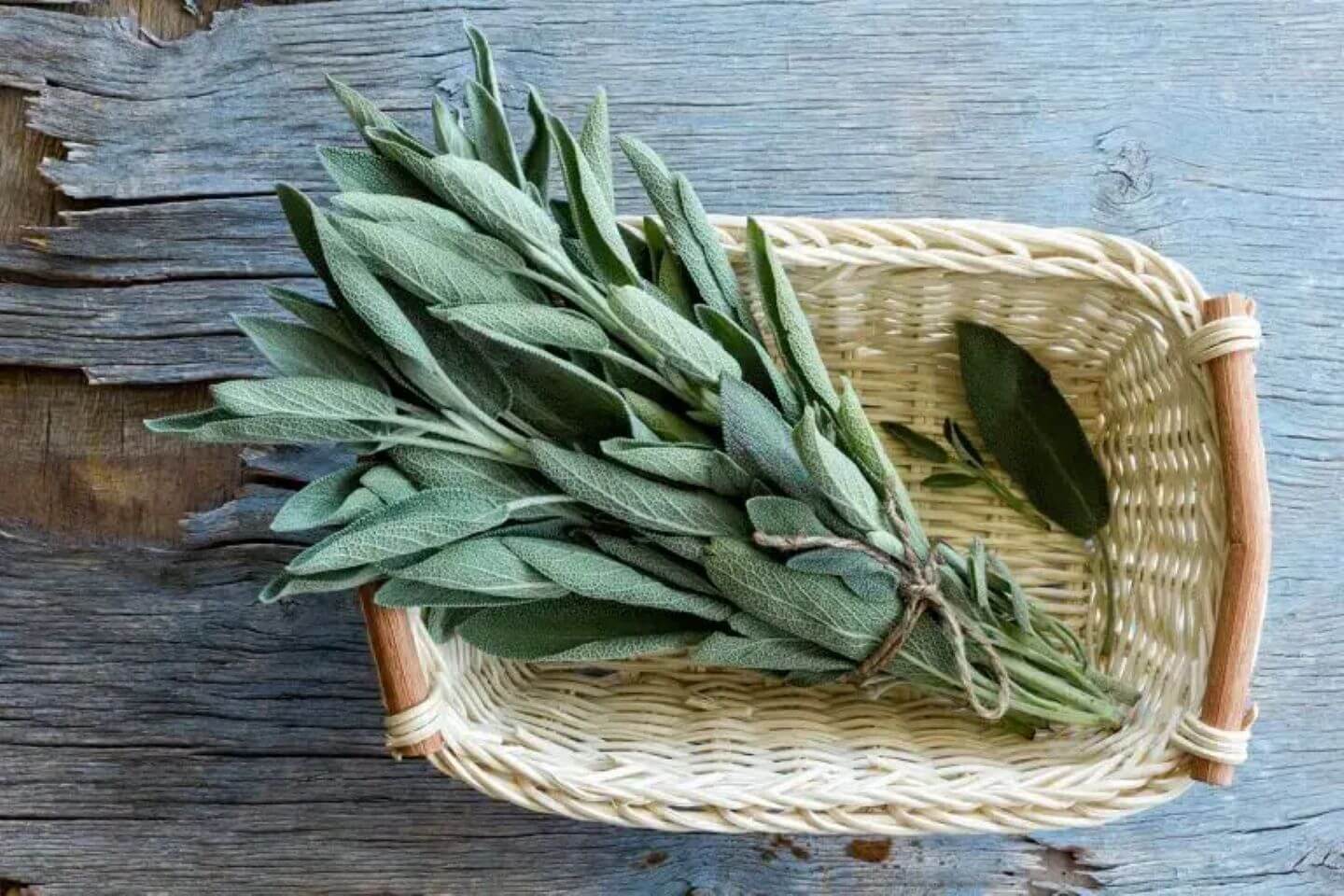
Image source: https://www.naturopathy-uk.com/herbal-recipes/blog/2022/03/15/sage-the-magical-cure-all/
11. Sage
Sage can grow indoors or on a balcony if it gets enough light, good airflow, and drier soil. It prefers good drainage and should not be watered too often because humid conditions can make it struggle.
This herb is for those who enjoy deeper flavors in chicken, pasta, butter based sauces, and hearty dishes. Sage is not the easiest starter herb, but it is a good next step after you have learned how to care for easier herbs.
12. Dill
Dill can grow indoors when it receives enough light and space. It grows taller than smaller herbs and has delicate foliage, so it needs more consistent care. A sunny window, balcony, or bright spot with airflow can help dill grow better.
This herb is for those who like eggs, dips, salads, fish, and fresh toppings. Dill has a specific taste, so it is best to grow it if you already know you will use it often.
Growing Herbs for Student Life
Growing herbs should fit student life, not complicate it. Some days are full of classes, readings, internships, errands, and responsibilities that leave little time for a complicated plant routine. This is why your first herb garden should be simple, useful, and easy to maintain.
A good starter set is basil, mint, and chives because they cover a lot of everyday needs. Basil gives fresh flavor to pasta and sauces, mint works for drinks and tea, and chives make eggs, noodles, soups, and rice meals taste better. If you cook often, oregano and parsley are smart additions. If you have a sunny balcony, lemon grass can be worth growing in a large pot.
Separate pots make the setup easier because each herb can receive the care it needs. Mint and lemon balm should have their own pots, while rosemary, thyme, oregano, and sage prefer drier soil. Basil, parsley, chives, and coriander usually like more consistent moisture. This setup keeps growing herbs manageable, especially when your schedule already has enough going on.
If you want to grow plants from seeds, start with herbs that germinate well and are easy to monitor, such as basil, chives, or coriander. Seedlings can also be a practical option because they give you a head start, especially if you are new to gardening indoors. During spring and summer, herbs may grow faster because of stronger sun and warmer conditions, but in the Philippines, you can grow many herbs year-round with the right placement and care.
Culinary Herbs That Make Condo Cooking Better
Culinary herbs are useful because they make home cooking feel less repetitive. This matters for students and young professionals because eating out every day can quickly become expensive. Fresh herbs give simple food more flavor without requiring a complicated recipe or a full grocery cart.
Basil can make pasta and sauces taste fresher, while chives can improve eggs, noodles, and soups. Mint can make drinks feel more refreshing, parsley can brighten salads and rice meals, oregano can add flavor to roasted dishes, and lemon grass can bring fragrance to soups and marinades. These herbs are practical because they support meals you may already be making indoors.
An indoor herb garden also makes your condo feel more lived in. The plants add foliage, the herbs bring a fresh scent, and the small routine of watering and harvesting can make your apartment feel more personal. It is not just decoration because it gives you something useful every time you cook.
Image source: https://www.magnific.com/free-photo/front-view-indoors-plants-pots_12391853.htm
Indoor Herb Garden Setup for Small Condos
A small indoor herb garden starts with choosing the right location. Place your herbs near a sunny window, a south-facing window, a bright windowsill, or a balcony that receives morning light. If your space does not receive enough direct sunlight, use a grow light so your indoor herbs still receive adequate light.
Choose pots with drainage holes and use a fast-draining potting mix. Place saucers under the pots so water does not spill onto your table, shelf, or floor. Avoid using heavy outdoor soil because it can hold too much moisture indoors, especially in humid weather.
Arrange your herbs based on their care needs. Basil, parsley, chives, and coriander can stay near each other because they prefer more consistent watering. Rosemary, thyme, oregano, and sage can stay in brighter and drier areas. Mint and lemon balm should stay in separate pots, while lemon grass needs a large pot because it grows taller and wider than most herbs.
If your condo is often air-conditioned, some herbs may need a little help with moisture. You can increase humidity around basil or parsley by grouping plants together, but you should avoid making the area too damp for rosemary, thyme, oregano, and sage. The goal is to create a setup that supports each plant instead of forcing all herbs to live under the same conditions.
Herb Garden Care Tips for Condo Living
A herb garden becomes easier to maintain when you observe your plants instead of guessing. Yellowing leaves may mean too much water, weak stems may mean not enough light, and dry foliage may mean the plant needs more moisture or protection from harsh afternoon sun. These small signs can help you adjust care before the plant becomes unhealthy.
Regular harvest also helps herbs grow fuller. When you harvest basil, mint, chives, parsley, oregano, or thyme, cut carefully above a healthy set of leaves or stems so the plant can continue producing new growth. Avoid removing too much at once, especially from young seedlings or small plants that are still developing.
Fertilizer can help, but it should be used lightly. Too much fertilizer may encourage weak growth or affect the flavor of culinary herbs. A mild feeding during active growth is usually enough for a small indoor garden. The basics still matter most: enough light, good drainage, proper watering, healthy soil, and regular harvest.
Some herbs may produce flowers if they are stressed, mature, or exposed to too much heat. Flowers can look pretty, but for many culinary herbs, flowering can change the taste of the leaves. If your goal is better flavor, regular trimming can help delay flowering and encourage more useful foliage.
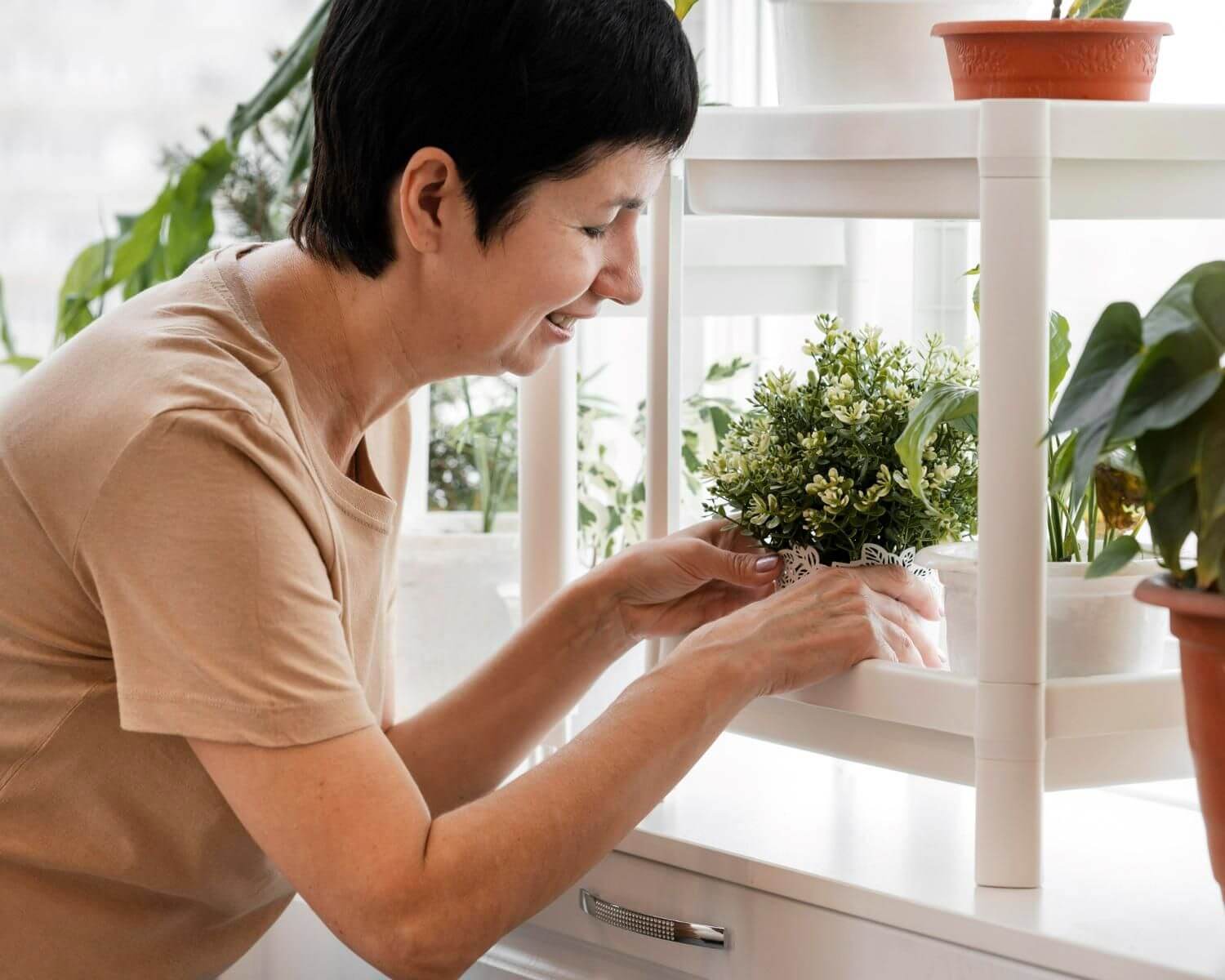
Image source: https://www.magnific.com/free-photo/smiley-woman-arranging-her-indoor-plants_12391873.htm
Good Drainage Keeps the Roots Healthy
Good drainage is one of the most important parts of growing herbs indoors because roots need both moisture and air. When pots do not have drainage holes, water collects at the bottom and can cause root rot. This can lead to yellow foliage, weak stems, and plants that slowly decline even if you think you are taking care of them.
Use a container with drainage holes and let extra water flow out after watering. Do not leave pots sitting in water for long periods. Before watering again, check the top of the soil with your finger. If the soil still feels wet, wait a little longer. If it feels dry, water based on what that herb prefers.
This habit matters even more in Philippine condo spaces because humidity can make soil dry more slowly. Basil, mint, parsley, coriander, and chives may need more regular watering, especially during summer. Thyme, rosemary, sage, and oregano prefer drier conditions, so they should not be watered too often.
What Herbs Can You Grow Together Indoors?
You can grow herbs together indoors when they have similar needs, although separate pots are still easier for beginners. Basil, parsley, chives, and coriander can be placed near each other because they enjoy good light and more consistent moisture. Rosemary, thyme, oregano, and sage can also be grouped near each other because they prefer brighter, drier conditions.
Mint should be grown in its own pot because it spreads quickly and can overpower nearby plants. Lemon balm is also better in its own pot for the same reason. Lemon grass needs a large pot because it grows taller and wider than smaller herbs. Dill can grow indoors, but it should have enough space and light so the foliage can develop properly.
If you are still learning, separate pots are the safest choice. They make watering easier, prevent overcrowding, and allow you to move each plant when the sunlight changes or when one herb needs a different location.
How to Grow Herbs in a Condo?
To grow herbs in a condo, start with the brightest area you have and choose herbs that match that space. A sunny window, balcony, or windowsill is ideal, while a grow light can help if your condo does not receive enough sunlight. Beginner-friendly herbs like basil, mint, chives, oregano, parsley, and lemon grass are practical choices for PH condo living.
Use pots with drainage holes, fast-draining soil, and a watering routine based on each plant’s needs. Keep mint and lemon balm in separate pots, give lemon grass a large pot, and place herbs that prefer drier soil in brighter and airier areas. Harvest regularly by cutting leaves or stems properly so the plants can grow fuller.
A condo herb garden does not need to be big to be useful. Even two or three pots can give you fresh herbs for everyday meals and make your indoor garden feel like part of your daily routine.
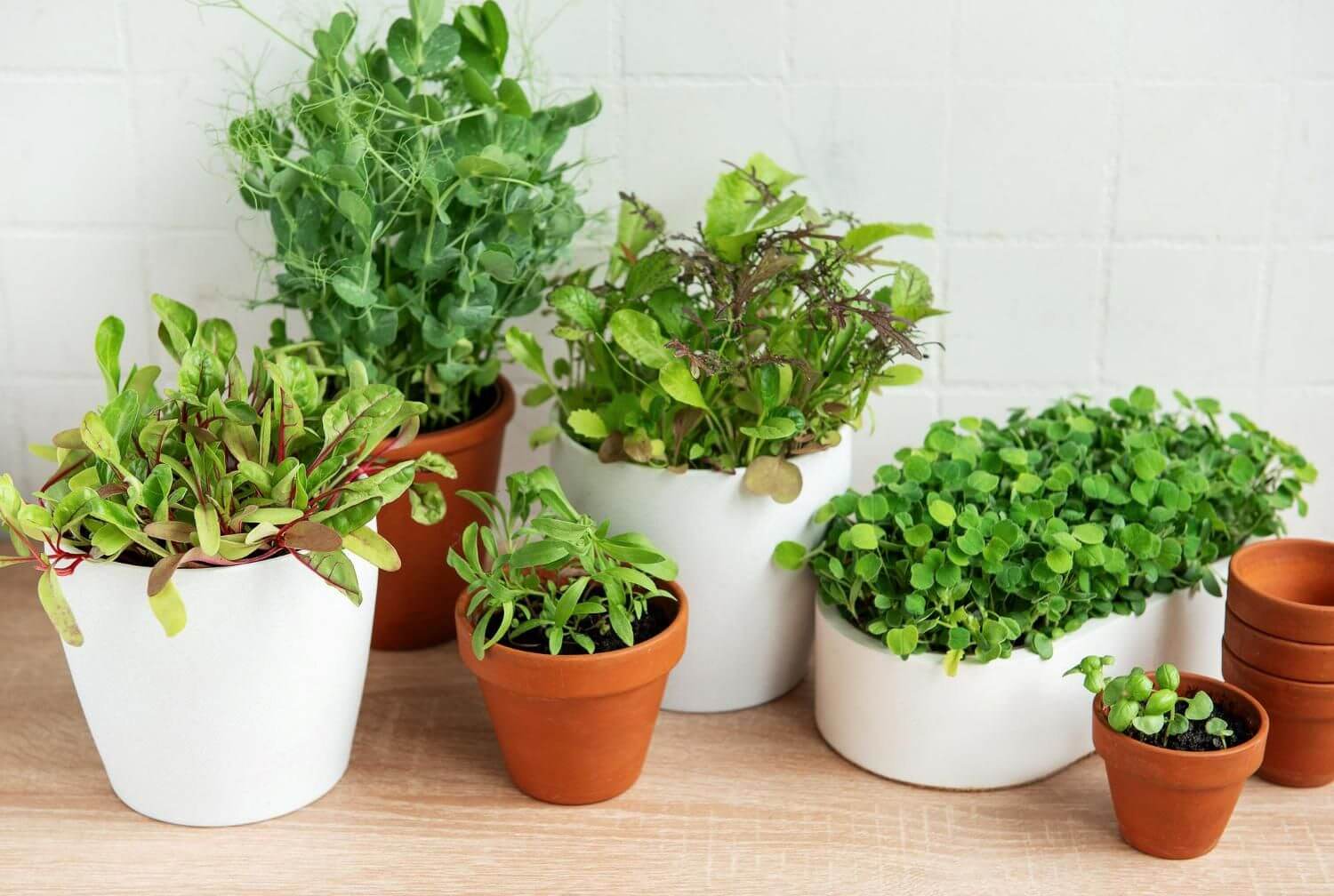
Which Herb Is Easiest to Grow Indoors?
Mint is one of the easiest herbs to grow indoors because it is hardy, fast-growing, and forgiving. It likes steady moisture, adequate light, and good drainage. It should be kept in its own pot because it spreads quickly.
Basil is also easy in Philippine condo conditions because it likes warmth and bright light. Chives are another beginner-friendly choice because they are compact, useful, and easy to harvest. For most students, the easiest starter set is mint, basil, and chives.
Which Herbs Grow Great Indoors?
The herbs that grow great indoors include basil, mint, chives, parsley, oregano, thyme, lemon balm, coriander, sage, rosemary, dill, and lemon grass. The best choices depend on your light source, pot size, watering habits, and the amount of care you can give them.
For beginners in Metro Manila condos, basil, mint, chives, oregano, parsley, and lemon grass are the most practical choices because they are useful in everyday cooking and can adjust well to container growing. For more confident growers, thyme, rosemary, sage, coriander, dill, and lemon balm can be added once the first plants are doing well.
Growing Herbs Makes Condo Living Feel More Personal
Growing herbs indoors may seem like a small thing, but it can change the way your condo feels. It brings fresh herbs into your meals, adds greenery to your apartment, and gives your routine a small habit that feels productive without being overwhelming. For students, it can make independent living feel more personal. For young professionals, it can make everyday life feel more intentional.
This is also why modern condo living continues to evolve. People are not only looking for a place near school or work. They want a space that supports studying, resting, cooking, saving, and building better habits. A small indoor garden fits into that lifestyle because it is practical, personal, and easy to maintain once you understand what your herbs need.
This connects naturally to the kind of city living Vista Residences represents. With high-rise condominium communities in Metro Manila and locations near universities, business districts, and everyday essentials, the brand speaks to students, parents, young professionals, and investors who value convenience, independence, and future-ready choices.
Start with basil if you want something warm and useful. Keep mint in its own pot if you want fresh drinks. Place chives by the window if you want quick flavor for everyday meals. Try oregano if you love sauces, grow lemon grass if you want something familiar and Filipino, and add parsley when you want your food to taste fresher.
A condo may be compact, but it can still support the kind of life you are building. Sometimes, that starts with one small pot on a sunny windowsill.
.png)