Image source: Freepik
Preparing Your Home Before You Leave for Holy Week
Holy Week is one of the few times in the year when Filipino families leave their homes for several days, whether for a provincial visit, pilgrimage, or short vacation. While the focus is often on travel plans, preparing your home before you leave is just as important. An empty home can attract burglars, increase safety risks, and expose overlooked issues that may worsen while no one is around.
A well-planned home safety checklist helps reduce these risks. By taking time to secure your home, check essential systems, and manage visibility, you protect both your property and your peace of mind. These home security tips are designed to guide you through practical steps so you can leave confidently and return home without problems.
Step 1: Avoid Signs of an Empty Home
A visibly empty home is one of the easiest targets for burglars. The first step is to make your house appear occupied, even while you are away on vacation.
Start by managing your mail and deliveries. Arrange to collect mail regularly or coordinate with your local post office to hold deliveries during your trip. Packages left outside your front door or stacked on your front porch signal that no one is home.
Maintaining your lawn also matters. An unkempt exterior quickly gives away an empty home. If possible, ask a trusted friend or neighbor to occasionally pass by and check your property. Their presence alone can discourage suspicious activity and lower the overall security risk.
Small details make a difference. Avoid leaving visible spare keys under the welcome mat or near entrances. These are common spots that burglars check first during a break-in attempt.
Step 2: Install or Upgrade Your Home Security System
A strong home security system is one of the most effective ways to protect your property while you are away. Before your trip, test your existing security system to ensure everything is working properly.
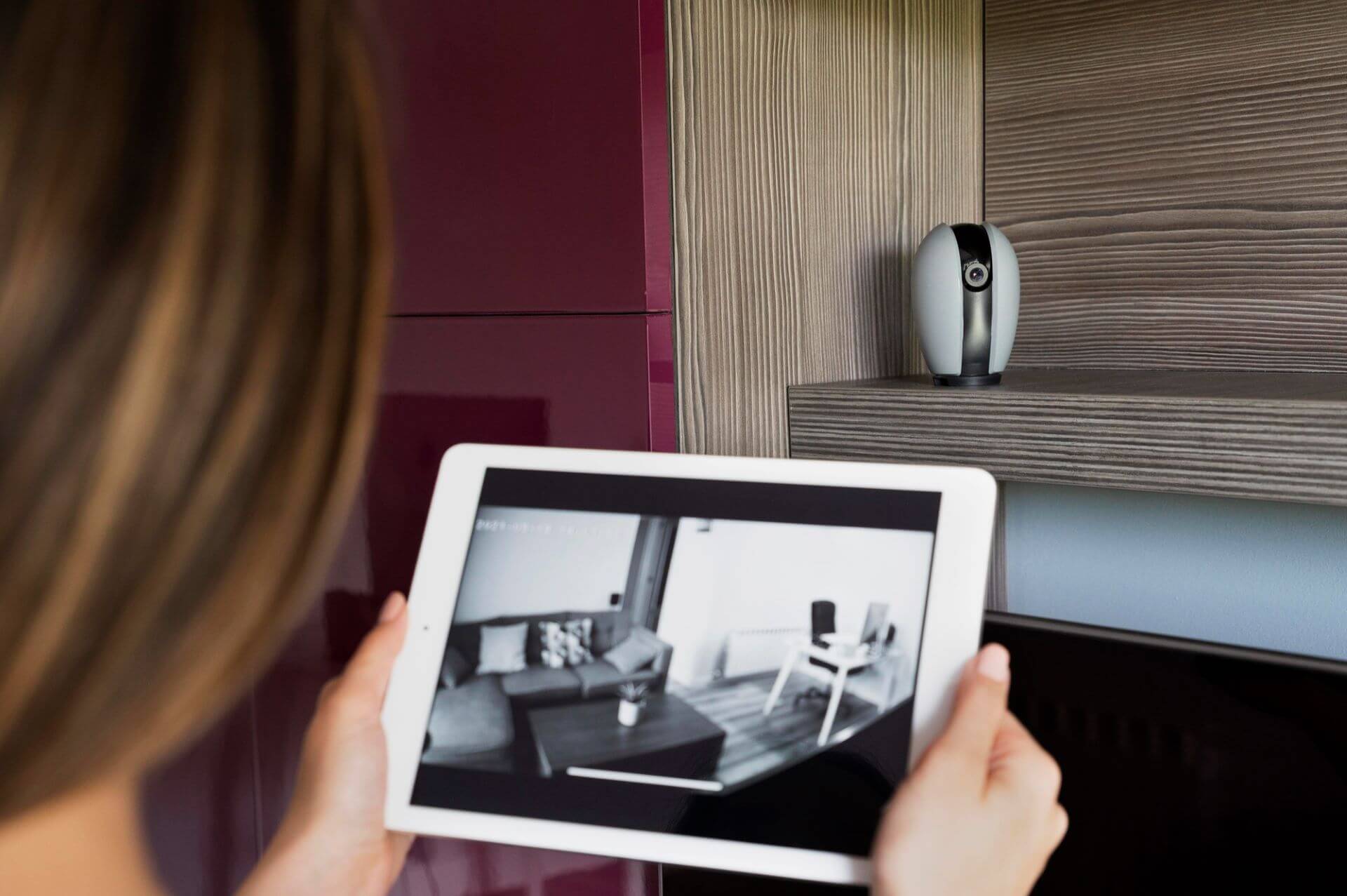
Check your alarm system and confirm that sensors on doors and windows are active. If your setup includes video doorbells or cameras, verify that they are connected and accessible through your mobile device. Features like remote access allow you to monitor your location in real time and respond to suspicious activity even when you are far from home.
In vertical communities such as Vista Residences’ Crosswalk Tower in Mandaluyong, building-level security adds another layer of protection. Still, individual units benefit from personal upgrades like smart locks, which reduce reliance on spare keys and allow better control over access.
Step 3: Improve Outdoor Lighting and Visibility
Outdoor lighting plays a crucial role in home security. Dark areas around your house, especially near doors, windows, and the garage, create opportunities for burglars to move unnoticed.
Installing outdoor lighting, such as motion-sensor fixtures or smart lighting systems, helps eliminate these blind spots. At least one light should remain on during nighttime hours to give the impression that someone is home.
You can also use automatic timers to turn lights on and off at specific times. This creates a natural pattern that makes your house look occupied. A well-lit front porch and visible surroundings make it harder for suspicious activity to go unnoticed.
For added protection, you can place guards such as motion sensors or additional fixtures in key dark areas around your house. If you are looking for more ideas, consider checking local barangay advisories or coordinating with nearby patrol schedules, as visible police presence in some areas can also discourage suspicious activity.
Step 4: Secure Your Garage and Vehicle Before the Trip
The garage is often overlooked, yet it can be a major access point to your home. Before leaving, make sure your garage door is fully closed and securely locked.
If your garage has an automatic opener, consider disabling it while you are away. Check any connecting doors between the garage and the house and make sure they are locked as well.
Your car should also be secured properly. Park it inside the garage if possible and avoid leaving valuables or electronics visible inside. A vehicle left outside with items in plain sight can attract unnecessary attention and increase risk.
Step 5: Secure Hazardous Items Inside the House
Before leaving for your trip, take extra time to secure everyday household items that can become safety risks. Store cleaning products in a locked cabinet and make sure child-resistant caps are properly sealed to prevent leaks or accidental exposure when you return home. Items like plastic bags should be kept out of reach, as they can pose a choking hazard, especially in households with young children. Cover or reposition furniture with sharp edges and make sure you place babies’ essentials in a safe, designated area before leaving.
Step 6: Protect Valuables With a Home Safe
Keeping your valuables protected adds another layer of security. Store important documents, jewelry, and emergency cash in a home safe before your trip. A fireproof safe is ideal, as it protects your belongings not only from theft but also from fire-related incidents. Choose a discreet location and make sure the safe is properly locked. Avoid obvious hiding spots. Even if burglars manage to enter your house, a well-placed safe can prevent further loss.
Beyond storing valuables, it also helps to reinforce physical safety features inside your home before leaving. Installing window guards can limit access through vulnerable openings, while safety netting may be useful in areas with elevated exposure. These added layers of protection, often aligned with guidance from organizations like the Consumer Product Safety Commission, help reduce both security and safety risks while your house is unoccupied.
Step 7: Check Fire Safety and Power Sources
Before leaving, inspect all power-related risks inside your home. Unplug appliances such as hair dryers, curling irons, and other electronics that are not in use.
Check electrical cords for any signs of wear or damage. Faulty wiring can lead to fire hazards, especially when left unattended.
Test your smoke detectors and carbon monoxide detectors to ensure they are functioning properly. It is also important to review your fire escape plan with your family before leaving, so everyone knows what to do in case of an emergency.
Reducing power usage and eliminating risks helps keep your home safe throughout your trip.
Step 8: Do a Final Walkthrough Before Leaving the House
A final walkthrough ensures that nothing is overlooked. Go through each room and double-check that all doors and windows are locked.
Make sure sliding doors and glass doors are secured properly. Activate your alarm system and confirm that all entry points are protected.
Turn lights on according to your plan, whether manually or through smart home technology. This is also the time to check your garage, appliances, and overall setup one last time.
Taking a few extra minutes for this step can prevent major issues while you are away.
Step 9: Be Mindful of Social Media
Sharing your trip online can unintentionally compromise your home security. Posting in real time on social media signals that your house is empty, which can attract unwanted attention from burglars monitoring public posts. Even simple updates about your location, travel schedule, or length of stay can increase risk.
It is best to avoid posting until you return home. If you need to share updates, limit visibility to close family or trusted friends only. Be mindful of tagged locations, timestamps, and public stories that reveal specific times you are away. Keeping your plans private is a simple but effective way to maintain a secure home while you are away.
Conclusion: A Safer Trip Starts With a Well-Planned Home
Preparing your home before Holy Week travel requires more than a quick lock of the front door. A well-thought-out home safety checklist allows you to address both visible risks and hidden hazards, from securing entry points to managing power sources and reducing signs of an empty home.
Each step builds toward a more secure home, helping protect your belongings and ensuring your family returns to a safe and comfortable space. With careful planning and consistent habits, you can leave for your trip with confidence, knowing your home security is in place and your house is ready for your return home.
.png)