Moving closer to a college campus can make student life easier. Shorter commutes give university students more time for classes, studying, rest, and social activities. However, finding the right student accommodation with private bedrooms involves more than choosing a property close to school.
Students and families should consider safety, location, privacy, amenities, living arrangements, and total costs before choosing among different types of student housing. From on-campus housing and shared apartments to private accommodation and purpose-built student accommodation, each option offers different advantages.
The best choice should provide a secure and comfortable living space while supporting the student's academic journey.

Prioritize location, safety, and convenience
Convenience often ranks among the top considerations when students choose accommodation. Housing with close proximity to college campuses can simplify daily routines, especially for students with early classes or demanding course schedules.
Access to public transport also matters for off-campus accommodation. A home near reliable transport can make it easier to reach classes while providing access to grocery stores, restaurants, healthcare services, and other necessities.
Security should receive equal attention. Students should check building access controls, entrance lighting, visitor policies, emergency contact details, fire exits, and security procedures before choosing a property.
Amenities can also improve student living. Reliable Wi-Fi supports online classes and research, while laundry facilities make everyday chores more convenient. Depending on the property, students may also find study rooms, fitness centres, swimming pools, lounges, and other shared facilities.
Know the main student housing options
College housing generally falls into two categories: on-campus housing and off-campus housing. The right option depends on a student's year level, budget, preferred room type, and desired level of independence.
On-campus housing
Dorms remain one of the most common types of student accommodation, particularly for first-year students. Many colleges require new students to live on campus during their first year.
On-campus living places students close to classes, libraries, dining facilities, study spaces, and campus activities. It also creates opportunities to meet other students and build friendships.
On-campus accommodation can cost less than some off-campus options, although rates and included facilities vary among colleges.
On-campus apartments
On-campus apartments provide another housing option for students who want more private space. These units can offer a greater degree of independence than traditional dormitories while keeping residents close to campus facilities.
Many colleges prioritize upperclassmen for on-campus apartments. For students moving beyond first-year dorm living, this option can provide a useful balance between convenience and personal space.
Off-campus housing
Off-campus housing gives students greater control over their living situation. Options include shared houses, apartments, private rooms, studios, and other accommodation types.
Students may need to sign leases, pay utilities, arrange internet service, and coordinate maintenance with private landlords. Some properties may also sit farther from campus, adding transportation costs.
In return, off-campus accommodation can provide more freedom, privacy, and flexibility when choosing a location and roommates.

Match the accommodation to your living arrangement
Different housing choices suit different lifestyles. Some students prefer their own private space, while others choose shared accommodation to reduce costs and build a community.
Studio apartments
Studio apartments can suit college students who value privacy, quiet, and their own space. A self-contained living area gives students greater control over their daily routines and creates a dedicated place for studying.
Before renting a studio, students should compare the room type, floor area, storage, kitchen facilities, laundry access, Wi-Fi, security, and monthly rent. A smaller private space may suit one student better than a larger shared apartment, depending on personal preferences and study goals.
Shared apartments and houses
Shared apartments remain popular because students can divide rent and household expenses among several people. Shared rental houses can provide more living space while lowering the per-person cost.
Students should establish house rules before moving in. Cleaning schedules, visitors, noise, shared expenses, and use of common areas can all affect the living situation.
Private accommodation also allows students to choose their roommates and preferred location. Fully furnished apartments or houses can make moving easier for students who do not want to purchase furniture.
Living-learning communities
Living-learning communities combine student housing with shared academic or interest-based activities. Students with similar courses, interests, or academic goals may live together and participate in group discussions, activities, and study sessions.
These communities can provide academic support while helping students make friends. They can also give first-year students a stronger sense of belonging when adjusting to college life.
Consider purpose-built student accommodation
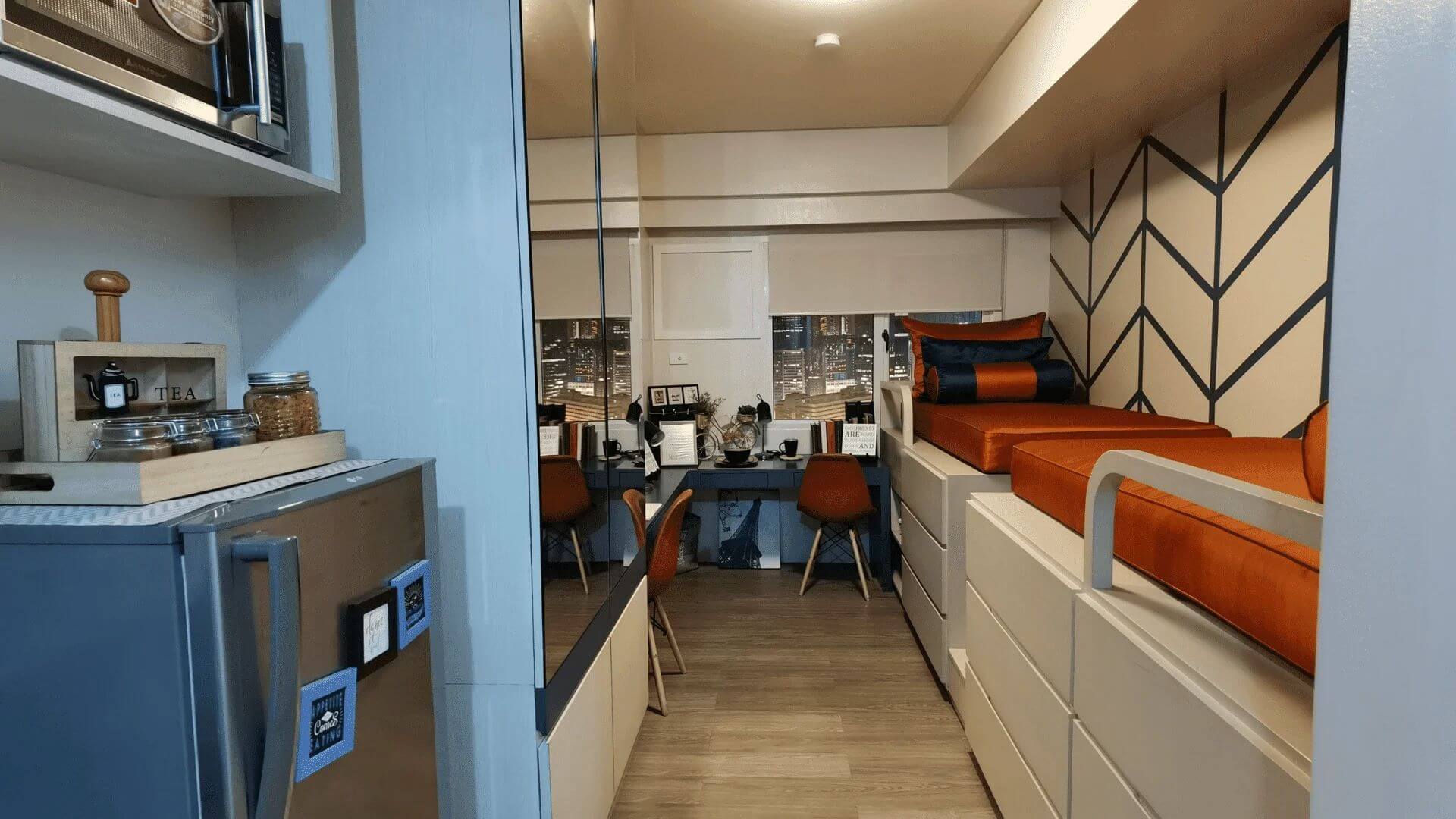
Purpose-built student accommodation, or PBSA, offers housing designed specifically for university students. Private companies operate many of these properties, often combining private rooms with shared facilities.
PBSAs commonly include communal study areas, laundry facilities, Wi-Fi, and shared social spaces. Some properties also offer entertainment facilities such as cinema rooms, lounges, gyms, and recreational areas.
Another advantage involves predictable monthly expenses. Most PBSAs include utility bills in the rent, although students should always check exactly what the rental agreement covers.
Security also remains a major consideration. Many PBSAs provide 24/7 security, CCTV monitoring, controlled access, and on-site management. Students should verify the actual security measures and emergency procedures before signing an agreement.
Private halls can offer a wider range of student accommodation options than traditional dorms, particularly in popular university cities where demand for student housing remains high.
Explore community-based housing options
For students seeking a stronger sense of community, there are other housing options that can offer a structured living environment alongside opportunities for social connection, campus involvement, and shared responsibilities.
Homestays for international students
Homestays can provide international students with cultural immersion and household support. Living with a local family can offer a more structured environment while helping students become familiar with local customs and daily life.
Students should discuss house rules, meals, laundry access, privacy, transportation, and household expectations with the host family beforehand. Clear arrangements can create a more comfortable experience for everyone.
Living with family
Students attending a nearby college may choose to live with family. This arrangement can significantly reduce housing costs by eliminating or lowering rent and household expenses.
Living with family can also provide additional support during the transition into higher education. However, students should consider whether the arrangement provides enough private space for studying and whether the commute remains practical.
Compare the complete cost of housing
Students should look beyond the advertised college rent when comparing housing options. The actual cost can include utilities, Wi-Fi, transportation, deposits, parking, laundry, maintenance, and other fees.
All-inclusive rent can make monthly budgeting easier because several household expenses come under one payment. Other private rentals may require students to pay electricity, water, internet, and other utilities separately.
Students should also review lease requirements before choosing off-campus housing. Private landlords may require deposits, application fees, longer leases, or specific notice periods.
Location can affect the overall budget as well. A property with slightly higher rent but close proximity to campus may reduce transportation expenses. A cheaper home farther away may cost more over time because of regular public transport or ride-hailing expenses.
Students should also ask who handles maintenance issues and how quickly property managers or landlords respond to repairs.

Choose accommodation that supports student life
Many students start with on-campus housing and later move into off-campus accommodation as they gain more independence. Housing needs can change throughout the academic journey.
First-year students may prefer the convenience and community of dorms. Upperclassmen may choose on-campus apartments, shared houses, studios, or private rentals that offer more freedom. International students may find homestays or purpose-built student accommodation particularly helpful.
Regardless of the housing type, safety should remain a priority. Students should evaluate security, location, privacy, amenities, total costs, and the overall living situation together.
The right student accommodation can provide a comfortable base for studying, building friendships, and enjoying college life. For students and families exploring well-connected residential options near schools and universities, Vista Residences offers communities that bring comfortable spaces, practical amenities, and everyday urban conveniences closer to where students live, study, and grow.
.png)