How to balance work and personal growth is a question more professionals are asking as career demands stretch further into personal life. Between back-to-back meetings, long commutes, and a phone that never fully switches off, it takes deliberate effort to protect personal time for family, health, and self-care activities. In today's fast paced world, a healthy work life balance is not a fixed destination but a set of daily practices that reduce stress, restore personal fulfillment, and protect the loved ones and personal pursuits that give professional and personal life its purpose in the first place.
Recognizing when work and personal life fall out of sync
Before any strategy can help, it helps to notice the signs that professional responsibilities have started to crowd out everything else. Chronic stress, disrupted sleep, and a persistent feeling of being overwhelmed are common signals that work hours have taken over personal space. Many professionals in Metro Manila describe a version of this: weekends spent replying to emails, family dinners interrupted by notifications, and a growing sense that mental well being is being sacrificed for professional success.
Left unaddressed, this pattern affects more than mood. Mental health and overall well being are closely linked, and prolonged pressure at work can affect blood pressure, weaken the immune system, and drain the energy needed for both professional and personal life. Recognizing these signs early, and naming which important tasks are actually driving the strain, makes it easier to find balance before burnout sets in and personal well being becomes an afterthought.
Setting boundaries to balance work and personal growth
Setting clear boundaries is one of the most direct ways to protect personal time and reduce stress. Communicating those boundaries to colleagues and family members, rather than assuming they will be understood, fosters respect and prevents misunderstandings on both sides. This might mean logging off at a consistent hour, muting notifications after work hours, or simply telling a manager which hours are reserved for family time and personal commitments.
Open communication with a manager is essential here. Discussing workload concerns, checking in regularly with a team about capacity, and sharing where professional commitments are stretching personal and professional life thin all give an employer the context needed to offer emotional support.
Learning to say no is part of this discipline as well. Declining a nonessential task protects energy for the work and personal priorities that matter more, and keeps a to-do list focused on what genuinely matches someone's core values. Establishing firm work hours, in turn, helps prevent burnout and creates room for leisure, personal joy, and quality time with loved ones. Over time, healthy boundaries help maintain a clear separation between work and personal life.
Prioritizing what matters most each week

Not every task deserves equal attention, and treating them as though they do is one of the fastest routes to feeling overwhelmed. The Eisenhower Matrix, which sorts tasks by urgency and importance, is a practical way to prioritize high-impact activities and identify which urgent tasks genuinely need attention first. Items that are neither urgent nor important, meanwhile, are strong candidates for delegation or removal from a to-do list altogether.
Minimizing these low-value tasks keeps focus on goals that move a career and personal values forward together. It also opens room to integrate personal growth with professional responsibilities: applying new skills to a current project, for instance, turns development time into work that already has a place on the calendar. This kind of overlap between personal and professional goals makes growth feel less like an added burden and more like a natural extension of daily work, and it can make a huge difference in how manageable a week actually feels.
Managing time with intention, not urgency

Time management practices are consistently associated with better work performance and well being, largely because they replace reactive scrambling with a plan. Time blocking, where specific hours are set aside for specific tasks on a Google calendar, prevents important work from being crowded out by smaller, noisier requests. The Pomodoro Technique, built around twenty-five-minute work blocks followed by short breaks, is one structured way to sustain focus and boost productivity without draining energy.
Regular breaks every one to two hours support both productivity and managing energy well, and a proper lunch break away from a screen does more for the rest of the afternoon than skipping it ever will. Planning personal time on the same calendar as work commitments also reduces the feeling that life revolves entirely around a job. Setting clear work hours, paired with intentional short breaks throughout the day, tends to be the same way most professionals describe finding a better balance that actually holds up over a full week.
Building habits that support your whole life

Healthy habits outside of work hours directly shape how well someone performs during them. Regular exercise improves mood and overall health, eating balanced meals strengthens the immune system and reduces stress, and consistent sleep supports both mental health and improve focus the next day. None of these require a complete overhaul of a daily routine; small, repeatable choices tend to compound more reliably than occasional, ambitious ones.
Mindfulness practices also play a meaningful role in preventing burnout. A few minutes of calm breathing, a short walk without a phone, or simply pausing before responding to a stressful message can relieve stress and support the right mindset for whatever comes next. Practicing mindfulness and prioritizing self care activities in this way protects the ability to keep showing up fully for both professional responsibilities and personal relationships. Managing energy, rather than simply managing hours, along with a degree of self awareness about which habits actually help, is often what makes the same number of tasks feel far more manageable.
Making space for personal growth
Professional success and personal growth do not have to compete for the same limited hours, and treating personal needs as equally important to deadlines tends to improve work life balance overall. Scheduling regular, dedicated time slots for a skill someone wants to develop, whether that is a language, a certification, or a creative pursuit, treats development with the same seriousness as any other commitment. Around International Literacy Day each September, many workplaces revisit this idea: that learning does not stop after school, and that consistent, small personal activities often matter more than occasional bursts of effort.
Micro-learning, which breaks larger personal goals into small daily habits, makes this manageable even during demanding weeks. Using implementation intentions, deciding in advance exactly when and where a habit will happen, significantly improves the odds that a goal is actually reached. Reviewing commitments weekly and eliminating tasks that drain energy without adding value keeps this time protected. Checking in on progress regularly, adapting goals as needed, and acknowledging small wins along the way keeps personal growth from becoming another source of pressure.
Flexible work arrangements that support balance

Flexible work arrangements, including remote work and flexible hours, have measurably changed how many professionals experience balance. Recent workplace surveys report that 85% of fully remote workers cite better work-life balance, while 76% of hybrid workers report improved work-life balance compared to fully in-office schedules. The appeal is straightforward: flexible hours make it easier to align a workday with school pickups, medical appointments, or simply the personal rhythm that suits someone best.
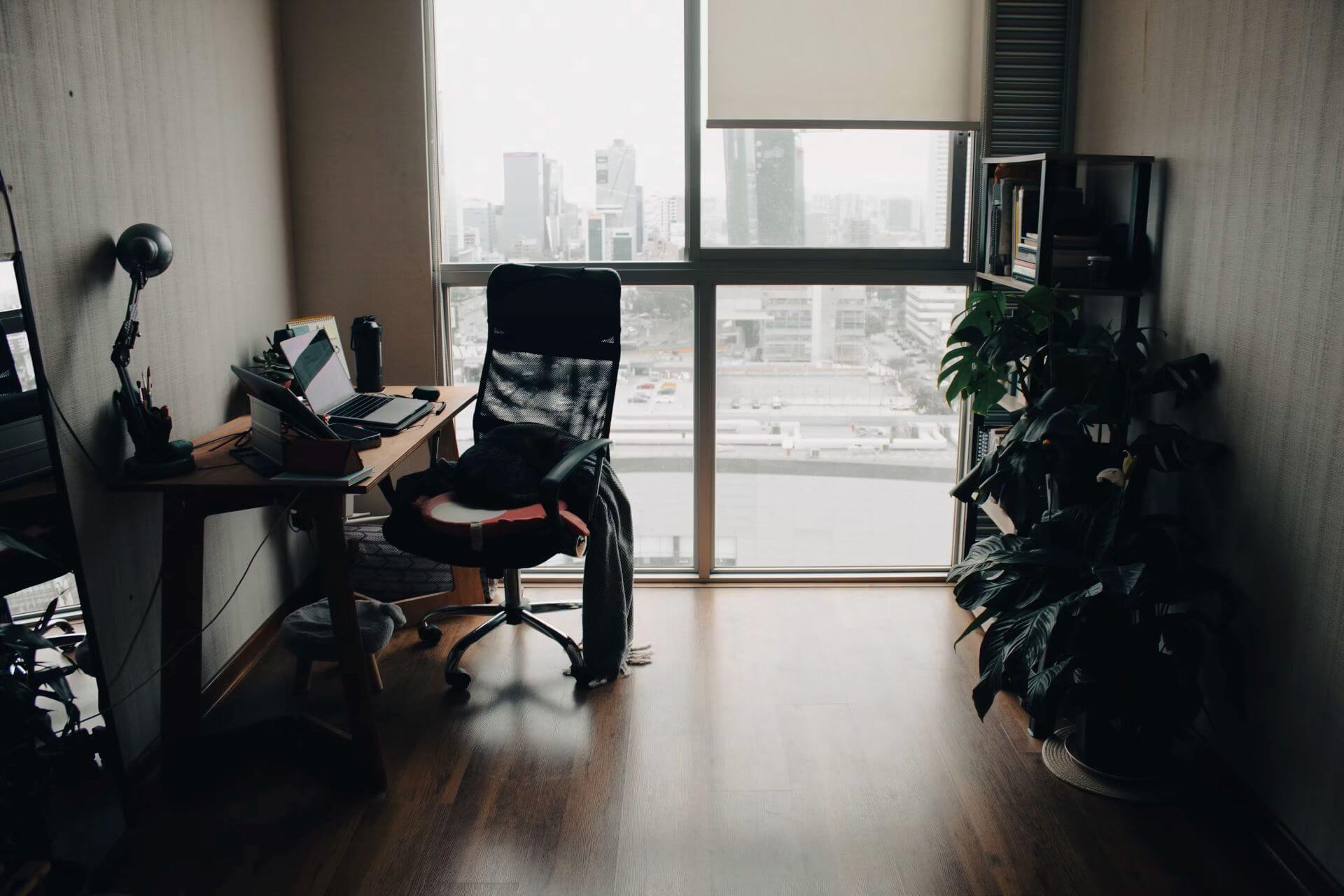
For professionals weighing a move, this flexibility extends beyond the workday itself. A home with a dedicated corner for focused work, and enough personal space to separate a desk from the rest of daily life, makes remote and hybrid arrangements considerably easier to sustain. Flexible work arrangements also tend to reduce employee stress levels overall, and supportive networks among colleagues who share similar schedules can make the adjustment easier still, since they hand back a measure of control over how and when work gets done.
A balanced life is a practiced one
Balance is rarely a single decision; it is the sum of boundaries communicated clearly, time managed with intention, and small habits repeated consistently. Setting boundaries, prioritizing high-impact tasks, and protecting personal time on the same calendar as work commitments all reinforce each other over time. None of it requires perfection, only a willingness to keep adjusting how work and personal life fit together as circumstances change.
A home environment suited to this kind of balance can make the daily practice noticeably easier to sustain.
Vista Residences offers thoughtfully designed condominiums in key Philippine cities, giving busy professionals the space to build a healthy work life balance and pursue personal growth each and every day.
.png)