Biking in the Philippines used to be treated like a weekend hobby, a fitness phase, or something your tito did at 5:00 AM with a cycling jersey and a group chat named “Sunday Ride.”
Now, it is becoming part of everyday city life.
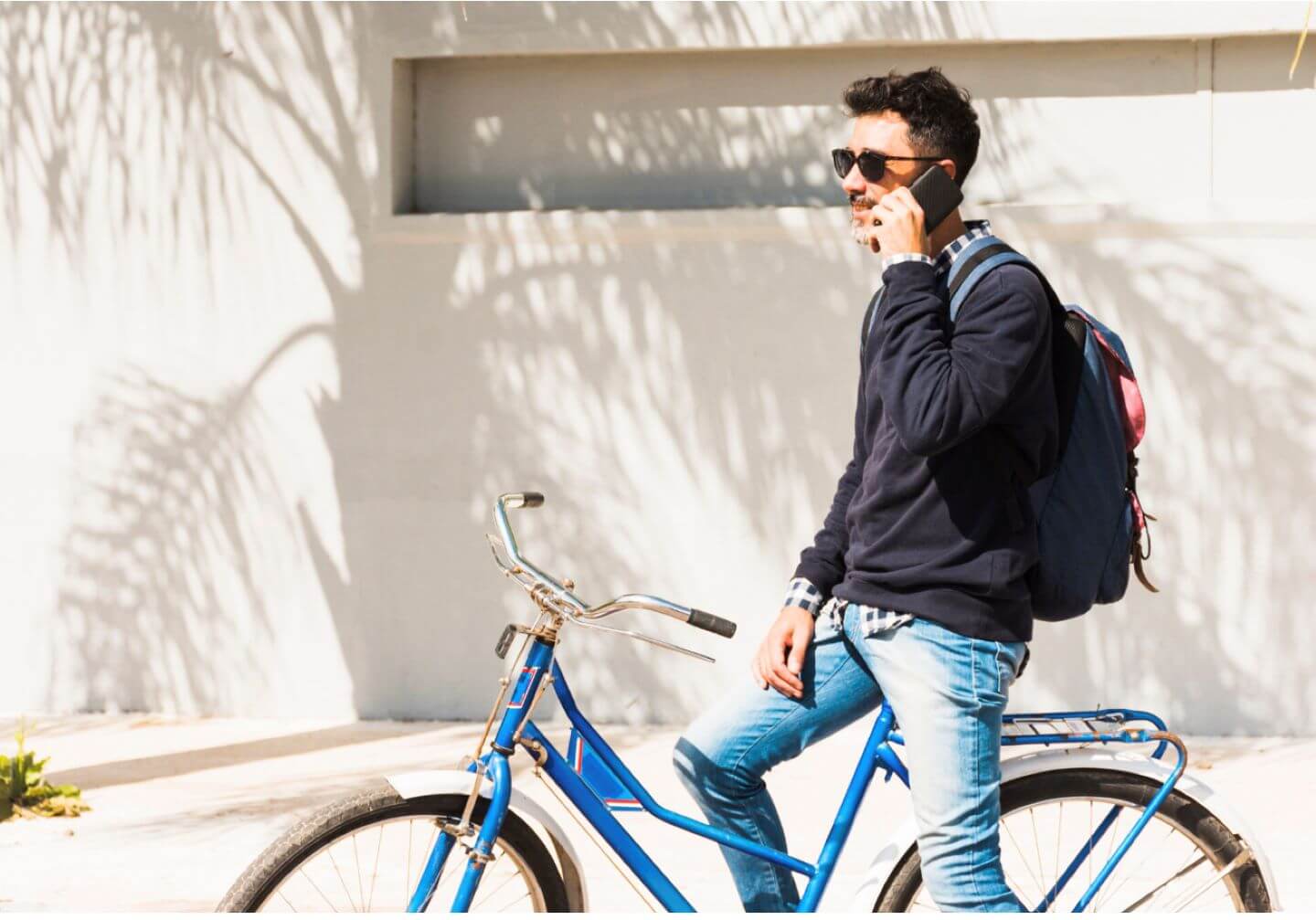
More Filipinos are using bicycles not just for exercise, but for essential trips like commuting to work, going to school, running errands, and moving through short neighborhood routes. A 2023 Social Weather Stations report showed that bicycle ownership in the country has continued to grow, with bicycle owners outnumbering car owners nationwide by a ratio of four to one. That says a lot about how biking has moved from “nice to have” to genuinely useful, especially in places where commuting can take more time, energy, and patience than anyone signed up for.
You can see the shift in Metro Manila, too. There are more students taking short bike trips, more workers using folding bikes, more delivery riders on the road, and more everyday commuters looking for another way to move around the city. It is not a perfect system, of course. Roads still require alertness, the weather still has opinions, and rush hour traffic remains a full personality. Still, the rise of bike riders in the Philippines shows that more people are looking for transport options that give them a little more control.
This is where choosing the right bike becomes important. A bike for commuting is not the same as a bike for weekend speed rides or mountain trails. The best commuter bikes are built for comfort, durability, stable handling, and daily practicality. They should match your route, budget, storage situation, riding style, and whether you need to combine biking with public transport.
For Metro Manila, the perfect commuter bike is not automatically the fastest, lightest, or most expensive one. It is the one that can handle daily rides, rough roads, sudden stops, bike paths, short errands, and the occasional weather plot twist without making you regret your life choices by Wednesday.
So before buying the coolest-looking bike in the shop, it helps to ask the real questions: How far are you riding? Are your roads flat or rough? Do you need a folding bike for public transport? Would an electric bike help with longer distances? Do you need low-maintenance parts, disc brakes, puncture-resistant tires, or a rear rack?
Because in a city where movement can feel like a strategy game, the right bike does not just get you from point A to point B. It gives you options.
Best Commuter Bikes For Metro Manila: What Actually Matters
The best commuter bikes for Metro Manila are the ones that fit the way the city really moves. This means comfort comes first, then durability, braking power, storage, carrying capacity, and maintenance. A good commuter bike should make everyday commuting easier, not turn every ride into a fitness test you did not consent to before breakfast.
For most riders, a comfortable riding position is more useful than an aggressive racing posture. An upright riding position helps you see traffic better, react faster, and avoid putting too much pressure on your back and wrists. This is one reason why hybrid bikes, folding bikes, and city-style commuter bikes often make more sense than pure road bikes for daily use.
Tires also matter more than people think. Very thin tires may feel fast on smooth roads, but Metro Manila does not always believe in smooth roads. Wider tires can offer better comfort, grip, and confidence on rougher paths. Puncture-resistant tires are also worth considering because nobody wants to be late for class or work because one tiny piece of glass decided to ruin the morning.
Brakes are another major factor. Disc brakes, especially hydraulic disc brakes, perform more consistently in wet weather and sudden stop situations. Mechanical disc brakes are also common on more affordable bikes and can still be practical for city use. Caliper brakes can work on flatter and drier routes, but if you expect rain, city traffic, and surprise road conditions, disc brakes are usually the safer upgrade.
Hybrid Bikes Are The Safe Choice For Everyday Commuting
Hybrid bikes are often the most balanced choice for everyday commuting because they combine the comfort of city bikes, the efficiency of road bikes, and some of the toughness people like about mountain bikes. They are not the flashiest option, but that is exactly why they work. They are practical, comfortable, and easy to understand.
A hybrid bike usually offers a flat bar, an upright riding position, stable handling, and enough speed for flat commutes without making the ride feel too aggressive. It works well for students and office commuters who ride on bike paths, neighborhood roads, campus areas, business districts, and short to medium routes around the city.
This category is ideal if you want one bike that can handle daily rides, light fitness rides, and occasional weekend use. The ride quality is usually smoother than an entry-level mountain bike on pavement, while the overall ride quality feels more relaxed than a road bike. For riders who do not need to fold their bike or bring it on public transport, hybrid bikes can be a very strong daily option.
Hybrid bikes also give you room to add practical features. Some models allow a rear rack, fenders, bottle cages, and built-in lights or mounted lights. These details sound small, but they matter when you are carrying a laptop, gym clothes, groceries, or school items.
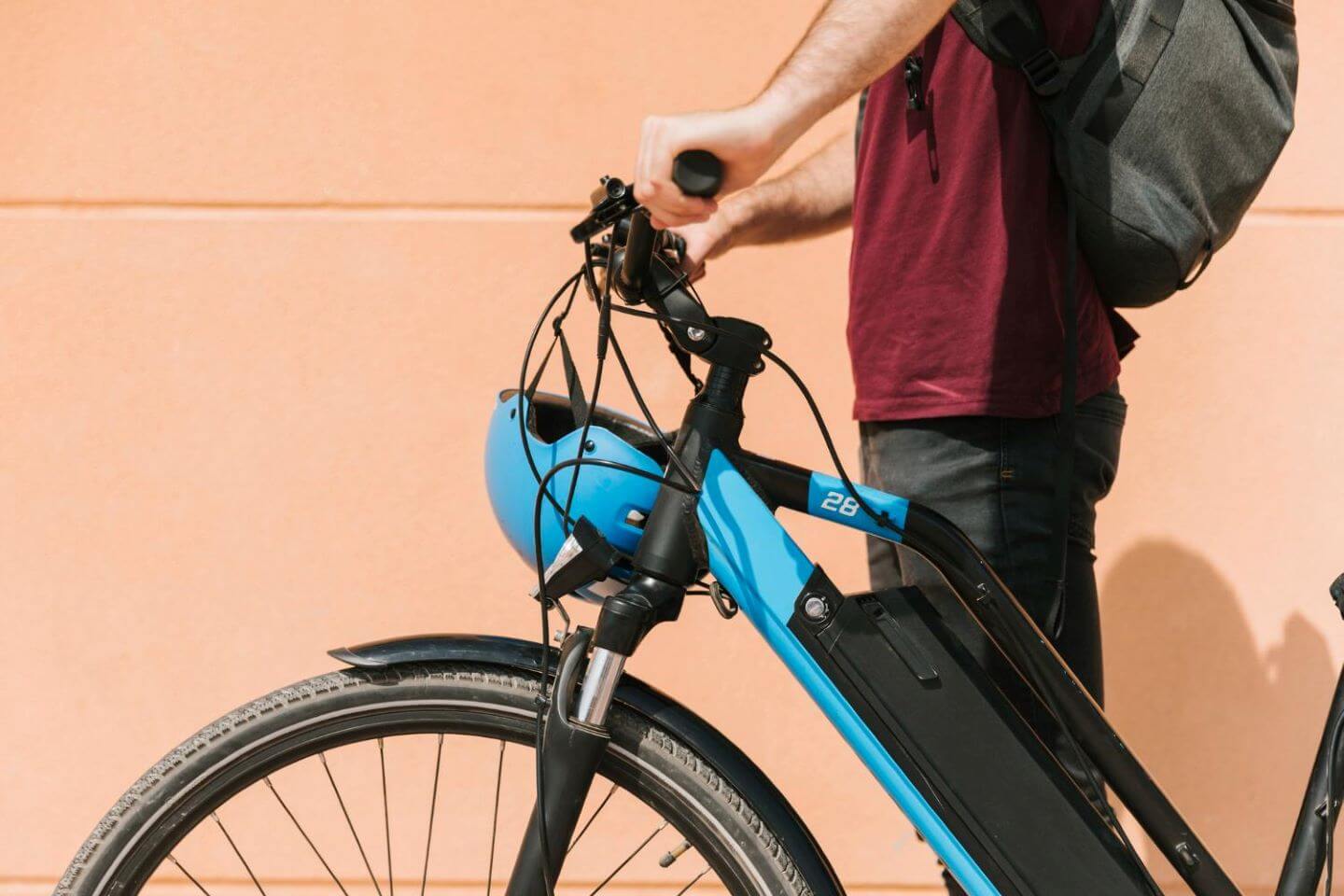
Specialized Sirrus And Other Hybrid Bikes For Riders Who Want One Bike
The Specialized Sirrus is a good example of a hybrid bike made for riders who want one bike that can do a bit of everything. It is not the cheapest commuter bike, but it makes sense for people who want better ride quality, a comfortable ride, and a more refined feel than a basic entry-level bike.
The Specialized Sirrus X is especially worth checking if your route includes pavement, bike paths, rougher paths, and occasional light off-road rides. It has a slightly more upright riding position, bigger tires, and mounts for racks and fenders, which makes it easier to build into a practical commuter setup. That combination works well for riders who want one bike for city commuting, fitness, and weekend exploring.
For Philippine riders, the Sirrus line can sit in the premium hybrid category depending on the model and shop. If the budget allows, it is worth asking about at a bike shop, especially if you plan to use the bike often and want something that feels comfortable over longer distances.
If the Specialized Sirrus is beyond your budget, you can look for similar flat bar hybrid bikes from brands like Giant, Trek, Merida, Decathlon, or other locally available options. The exact brand matters less than the fit, frame material, brakes, tire width, and practical features. A good hybrid bike should feel natural, stable, and easy to ride, not like you are negotiating with it every time you turn a corner.
Folding Bikes Are Great For Public Transport And Tight Storage
Folding bikes may be the most Metro Manila-friendly category for many students and young professionals because they solve one very real problem: where do you put the bike after the ride?
If your commute includes public transport, a folding bike gives you more flexibility. It can be useful for riders who bike to an LRT or MRT station, bus stop, office, school, or parking area, then fold the bike when needed. It is also easier to store in small apartments, shared spaces, dorms, and indoor corners where a full-size bike would feel like another person paying no rent.
For budget-conscious riders, the Trinx Dolphin 2.0 is a practical folding bike to consider. It is commonly available in the Philippine market and is easier to justify for students or first-time commuters who want portability without immediately jumping into premium pricing. It works best for short city commuting, campus routes, errands, and riders who need a bike that can fit into tighter storage.
The Decathlon Tilt 100 is another entry-level folding option for flat commutes. Since it is a simpler single-speed folding bike, it is better for short and mostly flat routes rather than hilly areas or longer distances. It can be a good starter bike if the goal is basic mobility, easy storage, and low commitment.
For riders who can spend more, Tern folding bikes are strong, everyday commuting choices. The Tern Link A7 is a good entry point, while the Tern Link B7, Tern Link B8 Disc, and Tern Link C8 offer better parts, smoother shifting, and stronger commuter potential. The Tern Link B8 Disc is especially interesting because disc brakes are helpful when roads are wet or when traffic requires quick stopping.
Electric Folding Bike Options For Longer Distances
An electric folding bike makes sense if your commute is longer, your route has inclines, or you simply do not want to arrive at school or work looking like you personally fought the sun. Electric bikes help reduce effort, especially when commuting longer distances or carrying extra weight.
For Philippine buyers, options like the Nakto Flex Folding Electric Bicycle and Carry Compact Utility Electric Bicycle are worth checking because they sit in a more accessible electric bike price range compared to premium imported e-bikes. The Friend Trifold Electric Bike is another option for riders who want something more compact and folding-friendly, while models like E Foldy may appeal to commuters looking for an electric folding setup.
The biggest thing to check with any electric bike is the bike’s range. Do not just look at the advertised number and assume it will match your exact commute. Range can change depending on rider weight, terrain, assist level, battery condition, tire pressure, and how often you stop and start in city traffic. If your route is long, choose a model with enough extra battery allowance so you are not calculating your remaining power like it is a survival game.
You also have to check the weight. Electric folding bikes are convenient, but they are usually heavier than regular folding bikes because of the motor and battery. If you need to carry it up stairs, lift it into a car, move it through tight spaces, or store it under a desk, weight matters more than people expect.
E-Bikes Are Useful, But Know The Road Rules
E-bikes are becoming popular because they make commuting easier, especially for longer distances and riders who want pedal assistance. They can help you maintain a comfortable pace, reduce fatigue, and make daily rides more realistic if your destination is too far for a regular bike.
However, Metro Manila riders should be careful with e-bikes because road rules matter. MMDA Regulation No. 24 022 restricts e-bikes, e-trikes, tricycles, pedicabs, pushcarts, and similar vehicles from national roads, circumferential roads, and radial roads in Metro Manila. Before buying an electric bike for commuting, check updated MMDA, LTO, and local city guidelines, so you know where you can legally and safely ride.
This does not mean electric commuter bikes are automatically a bad idea. It just means you need to match the bike to the route. If your daily trip uses local roads, protected bike lanes, campus roads, or shorter neighborhood routes, an electric bike may still be practical. If your route forces you onto restricted major roads, think carefully before spending money.
The smart move is to research your actual route first. Consider bike paths, side streets, parking rules, charging needs, and whether your destination offers bike storage. A great electric bike is only great if you can actually use it where you need to go.
Brompton P Line And Premium Folding Bikes For Serious Commuters
The Brompton P Line is the dream category for commuters who want compact storage, premium folding quality, lighter parts, and a bike that feels built for city life. It is not the most realistic option for most students due to the high price, but it deserves a mention as one of the most recognized premium folding bikes for serious urban commuting.
For riders with the budget, the Brompton P Line makes sense if portability is the main priority. It folds small, stores neatly, and works well for commuters who move between home, public transport, office spaces, cafes, and indoor parking. It is the kind of bike for someone who already knows they are committed to folding bike commuting and wants a long-term upgrade.
That said, not everyone needs a Brompton. Many riders will be perfectly happy with Tern, Bickerton, Trinx, Decathlon, or other folding bikes that cost much less. The best choice depends on your budget, route, and how often you need to fold and carry the bike.
If money is not the issue, the Brompton P Line is the premium pick. If value matters more, the Tern Link series is a strong middle ground. If budget matters most, the Trinx Dolphin 2.0 or Decathlon Tilt 100 can be more realistic starting points.
Mountain Bikes Can Work For Rough Terrain, But Choose Carefully
Mountain bikes are popular in the Philippines because they look tough, feel familiar, and can handle rough terrain. For Metro Manila, they can make sense if your route includes rough roads, broken pavement, uneven streets, and occasional off-road sections.
A budget mountain bike can be a good, cheap commuter if comfort and durability matter more than speed. Wider tires and a suspension fork can help absorb bumps, which is useful on rough urban terrain. Models from brands like Trinx, Mountainpeak, Foxter, and other commonly available local options are often seen in bike shops because they are accessible to many riders.
However, mountain bikes are not always the most efficient for city commuting. The suspension fork can add weight, the tires can feel slower on pavement, and the riding position may not be as efficient for longer distances. If most of your route is flat pavement, a hybrid bike or folding bike may feel easier and faster.
Mountain bikes work best for riders who want one bike that can survive imperfect roads, carry some abuse, and still be useful for weekend rides. They are practical, but make sure you are not buying too much bike for a route that only needs a simple commuter.
Road Bikes Are Fast, But Not Always The Right Bike For City Commuting
Road bikes are tempting because they are fast, light, and, honestly, they look cool. For riders with longer flat commutes and a preference for speed, a road bike can work. However, for everyday commuting in Metro Manila, road bikes are not always the easiest choice.
The riding position is usually more aggressive, which can be tiring in stop-and-go city traffic. Thin tires may feel less forgiving on rough roads. Some road bikes also have less carrying capacity because they may not have mounts for a rear rack, fenders, or baskets. If you carry a laptop, school materials, clothes, or groceries, practicality matters.
This does not mean road bikes are bad. They are great for riders who value speed, fitness, and longer open routes. But for the average student or worker navigating city traffic, bike paths, rough patches, and unpredictable weather, hybrid bikes, folding bikes, or commuter-focused bikes may be more forgiving.
The right bike is the one that matches your actual route, not your fantasy route where every street is smooth and every car gives you generous space.
Low-Maintenance Features To Look For Before Buying
A low-maintenance commuter bike is a blessing because daily commuting already asks enough from you. You do not want a bike that needs constant adjustments, rare parts, or frequent shop visits just to stay usable.
Look for practical features that make everyday use easier. A simple drivetrain, reliable brakes, puncture-resistant tires, a rear rack, fender mounts, built-in lights, and a comfortable saddle can make a big difference. A rear rack is useful if you want to add panniers or carry items without putting everything on your back. Fenders are also helpful during rainy days because they keep road spray away from your clothes.
Frame material matters too. An aluminum frame is common because it balances weight, durability, and cost. A steel frame can feel comfortable and durable, but it may be heavier. A carbon frame is light and premium, but it is usually unnecessary for everyday commuting and can be more expensive to repair. A carbon fork can improve comfort on some bikes, but again, it depends on budget and use.
If you want fewer complications, avoid buying based only on looks. Ask the bike shop about replacement parts, maintenance frequency, brake servicing, tire availability, and whether the bike fits your daily route. A beautiful bike that is hard to maintain will eventually become expensive decor.
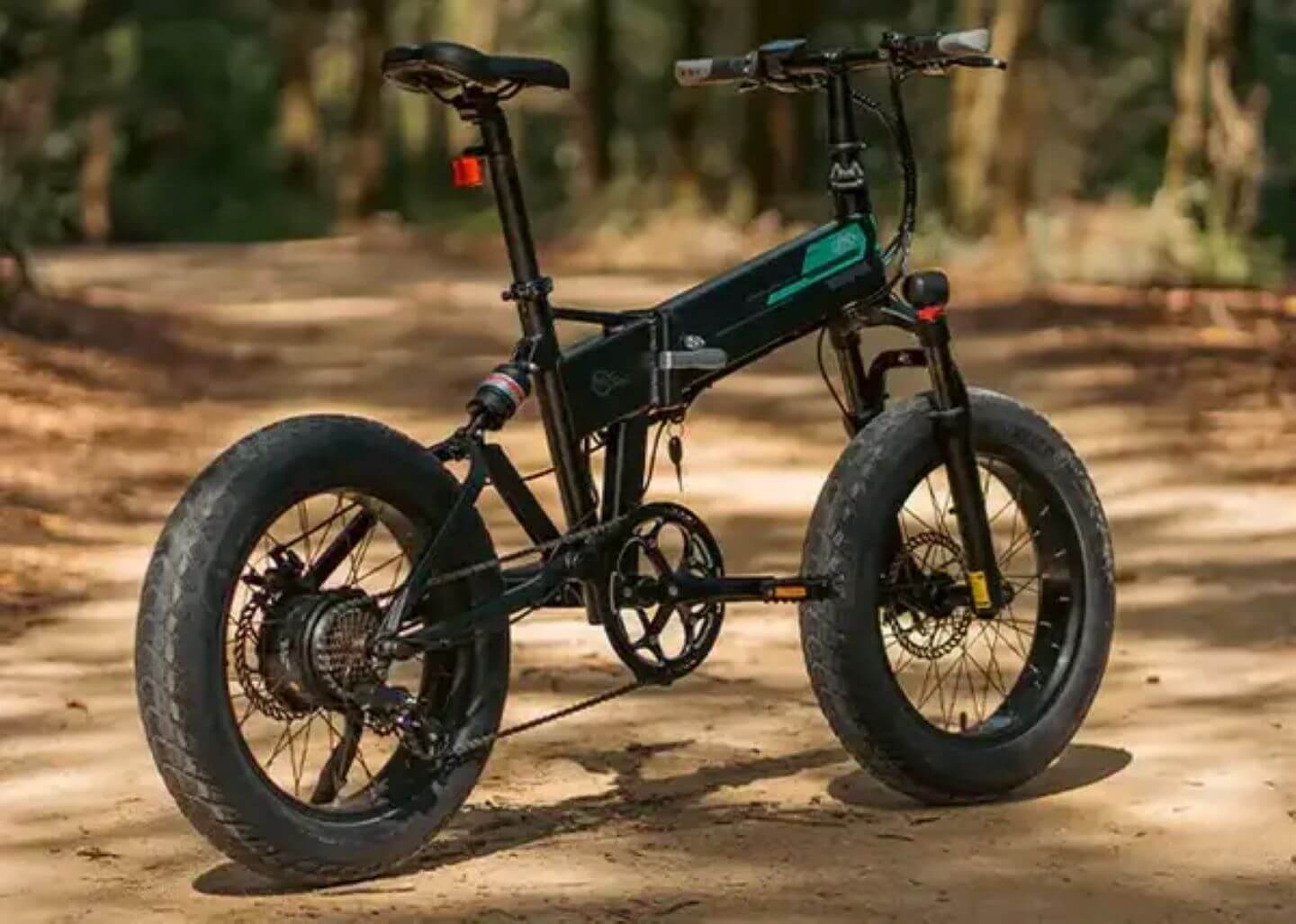
Image source: https://fiido.com/blogs/e-bikes/what-is-the-best-off-road-electric-bike
Off-road capability is nice, But Everyday Use Comes First
Off-road capability sounds exciting, especially if you imagine taking the bike beyond the city on weekends. A gravel bike, mountain bike, or hybrid with wider tires can be useful for varied terrain, rougher paths, and occasional off-road rides.
A gravel bike is a good choice for riders who want speed and stability on mixed surfaces. It can handle pavement, rough roads, and light dirt paths better than a typical road bike. However, gravel bikes can be more expensive, and not everyone needs one for city commuting.
If your main use is everyday commuting, choose based on daily reality first. Think about how far you ride, how often you stop, where you park, whether you need to fold the bike, and how much you carry. Off-road capability is nice, but it should not come at the cost of comfort, storage, or low maintenance.
For most commuter bikes, practical features matter more than adventure branding. A bike that handles your daily route well is better than a bike that looks ready for a mountain trail but feels annoying on the way to class.
Rough Terrain And Rough Roads Need Better Tires And Brakes
Rough terrain in Metro Manila does not always mean actual trails. Sometimes it means uneven concrete, potholes, broken bike lanes, wet pavement, metal plates, construction zones, and streets that make your wrists question their life choices.
This is why tire choice matters. Wider tires can improve comfort and control, especially on rough urban terrain. Puncture-resistant tires are worth the upgrade because city roads can have glass, wire, nails, and debris. If your budget allows, this is one of the smartest practical upgrades for any commuter bike.
Braking also becomes more important on rough roads. Disc brakes provide more reliable stopping power than traditional caliper brakes in many conditions, especially when roads are wet. Hydraulic disc brakes feel smoother and stronger, but mechanical disc brakes are easier to find on more affordable bikes and can still work well when maintained properly.
A comfortable ride is not only about the saddle. It is the total setup: tires, brakes, frame material, riding position, handlebar width, and how stable the bike feels under you.
Frame Material And Fit Matter More Than The Color
Frame material affects weight, comfort, durability, and price. Most commuter bikes use an aluminum frame because it is light enough, affordable enough, and durable enough for daily use. Steel frame bikes can feel smooth and strong, but they are usually heavier. Carbon frame bikes are lighter and more premium, but they are not necessary for most city commuters.
Fit is even more important than frame material. A bike that is too big or too small will feel uncomfortable, no matter how nice the parts are. Your reach to the handlebars, saddle height, foot position, and comfort while braking all matter. This is why a test ride is highly recommended before buying.
A good bike shop can help adjust the saddle, check your riding position, recommend the right frame size, and explain whether a model fits your route. If you are buying online, check size guides carefully and read reviews from riders with similar height and use cases.
The color can be cute, yes. We support a cute bike moment. But fit, comfort, brakes, tires, and maintenance should win the final decision.
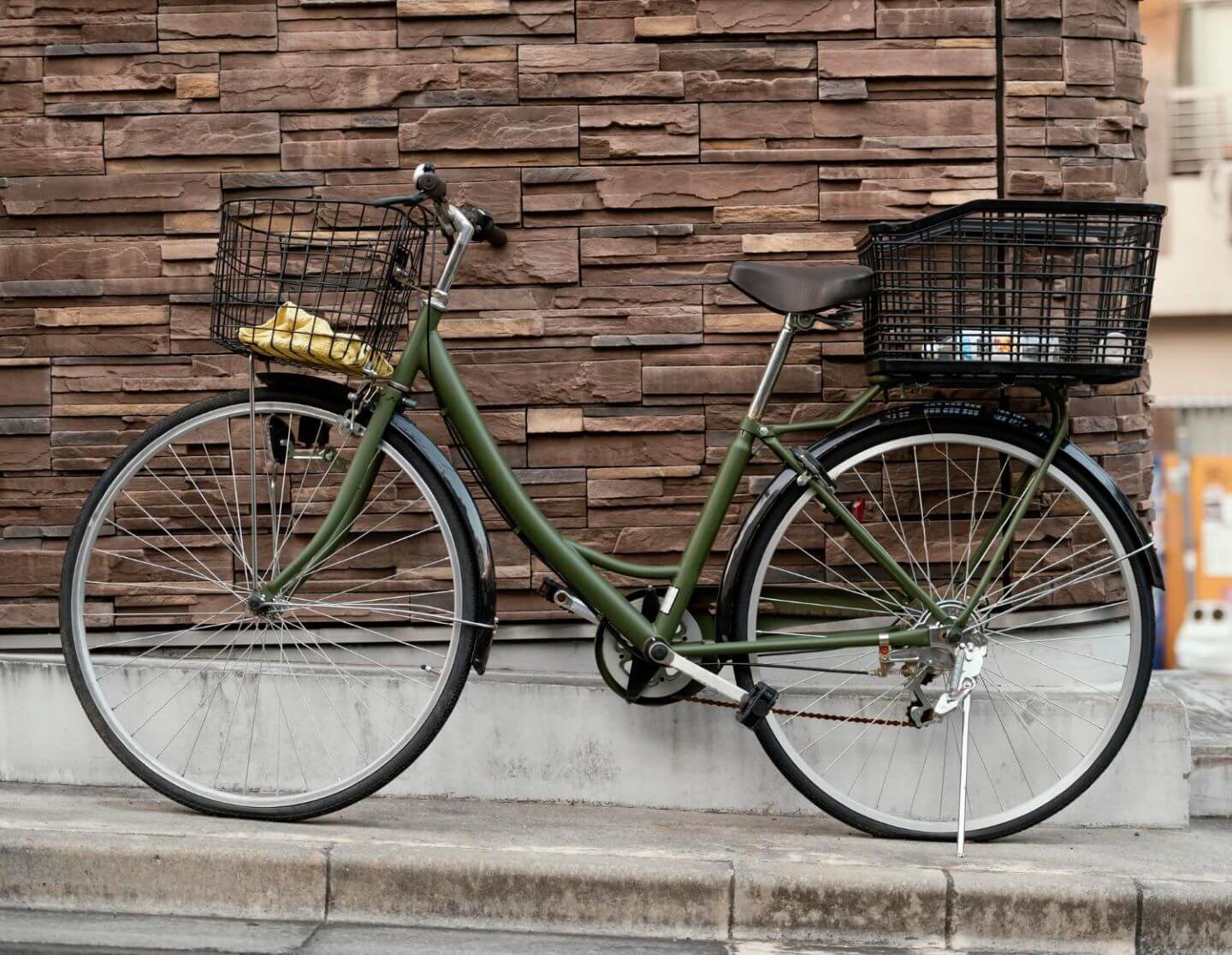
Best Cargo Bike Options Are Not For Everyone, But They Have A Purpose
A cargo bike is not the first choice for most students or casual commuters, but it can make sense for specific riders. If you need to carry kids, groceries, deliveries, work equipment, or heavier daily items, a cargo bike or utility electric bike may be worth considering.
The best cargo bike for Metro Manila would need stable handling, strong brakes, good carrying capacity, reliable tires, and a route that can actually accommodate its size. This is not ideal for tight storage or mixed public transport commuting, but it can be practical for families, small business owners, or riders who need more than a backpack.
Electric cargo bikes can make heavier loads easier, but they also cost more and require more careful route planning because of road rules and parking needs. For most students and young workers, a folding bike, hybrid bike, or electric folding bike will be easier to live with.
Still, cargo bikes deserve a mention because they show how bike commuting is not one size fits all. Some people need speed. Some need storage. Some need portability. Some need a carrying capacity. The best commuter bike depends on the job it has to do.
How To Choose The Right Commuter Bike For Your Budget
For a tighter student budget, start with a reliable, cheap commuter that is easy to maintain. A Trinx Dolphin 2.0, Decathlon Tilt 100, or entry-level mountain bike can work if your rides are short and your expectations are realistic. The goal at this level is basic mobility, comfort, and durability.
For a mid-range budget, folding bikes like the Tern Link A7, Tern Link B7, Tern Link B8 Disc, or Tern Link C8 are stronger choices if portability matters. If you prefer a full-size bike, look at hybrid bikes such as the Specialized Sirrus, Decathlon Riverside, Giant Escape style models, or similar flat bar commuters available from local bike shops.
For riders who want great commuter bikes at an affordable price, it also helps to check the small technical details that affect daily comfort. A bike with an upright position can make city riding easier because it gives better visibility and a more relaxed posture, while a rear hub setup can keep the ride feeling simple and low maintenance. Some single speed bikes may also come with a flip flop hub, which allows riders to switch between fixed gear and freewheel riding depending on preference, though most beginners may find freewheel more practical for city commuting. If you are looking at the best electric bikes, prioritize models that offer a quiet ride, steady assistance, reliable brakes, and a battery range that can comfortably cover your route.
For longer distances, electric commuter bikes become more appealing. A Nakto Flex Folding Electric Bicycle or Carry Compact Utility Electric Bicycle may help riders who want less effort, while premium options like the Friend Trifold Electric Bike offer a more compact electric folding bike experience. Just make sure your route follows current road rules and that you have a charging plan.
For premium budgets, the Brompton P Line is the aspirational folding bike pick. It is compact, polished, and practical for serious city commuters who value portability. It is not necessary for everyone, but for riders who fold and carry their bike daily, the investment can make sense.
The Best Bike For Commuting Is The One That Fits Your Life
So, what kind of bike is best for a daily commute? The honest answer is that it depends on your route, budget, storage, and comfort. Hybrid bikes are great for balanced everyday commuting. Folding bikes are best for public transport and limited storage. Mountain bikes can handle rough terrain and rough roads. Electric commuter bikes are useful for longer distances. Road bikes are fast, but they are not always the most practical choice for city commuting.
Before buying, ask yourself how far you will ride, how rough the roads are, where you will park, whether you need to bring the bike indoors, and how much maintenance you are willing to handle. Ask whether you need a rear rack, fenders, built-in lights, puncture-resistant tires, disc brakes, or a wide gear range. Most commuter bikes can be upgraded over time, but the base bike should already fit your daily routine.
The best bikes for daily commutes in Metro Manila are not chosen by hype. They are chosen by honesty. Be honest about your route. Be honest about your budget. Be honest about whether you will carry the bike up stairs, ride during rush hour traffic, or combine cycling with public transport. Be honest about whether you want a low-maintenance ride or a performance bike that needs more care.
Once you know that, the choice becomes clearer.
The right commuter bike does not have to be perfect. It just has to make your daily ride easier, safer, and more realistic. In a city where every minute in traffic can feel like a tiny character-building exercise, that kind of freedom matters. A good bike gives you options, and sometimes, options are exactly what Metro Manila commuters need most.
.png)