
Choosing a condominium unit is one of the first steps in shaping a life in the city. For students, young professionals, investors, and Global Filipinos, the decision often begins with a practical comparison: studio vs one bedroom unit. Both offer access to connected addresses, efficient living, and the convenience of a home in the sky, yet each one supports a different rhythm, routine, and residential plan.
In Vista Residences condominium properties, the value of a unit is not measured by size alone. It is also shaped by location, layout, lifestyle fit, and how well the living area responds to everyday needs. A studio may offer a cost effective entry into city living, while a one bedroom apartment may provide more privacy, more space, and a clearer division between rest and recreation. Understanding the key differences helps residents and investors decide which unit type is the better option for their budget, personal preferences, and long-term goals.
What is the Difference Between a Studio versus a 1-Bedroom Unit?
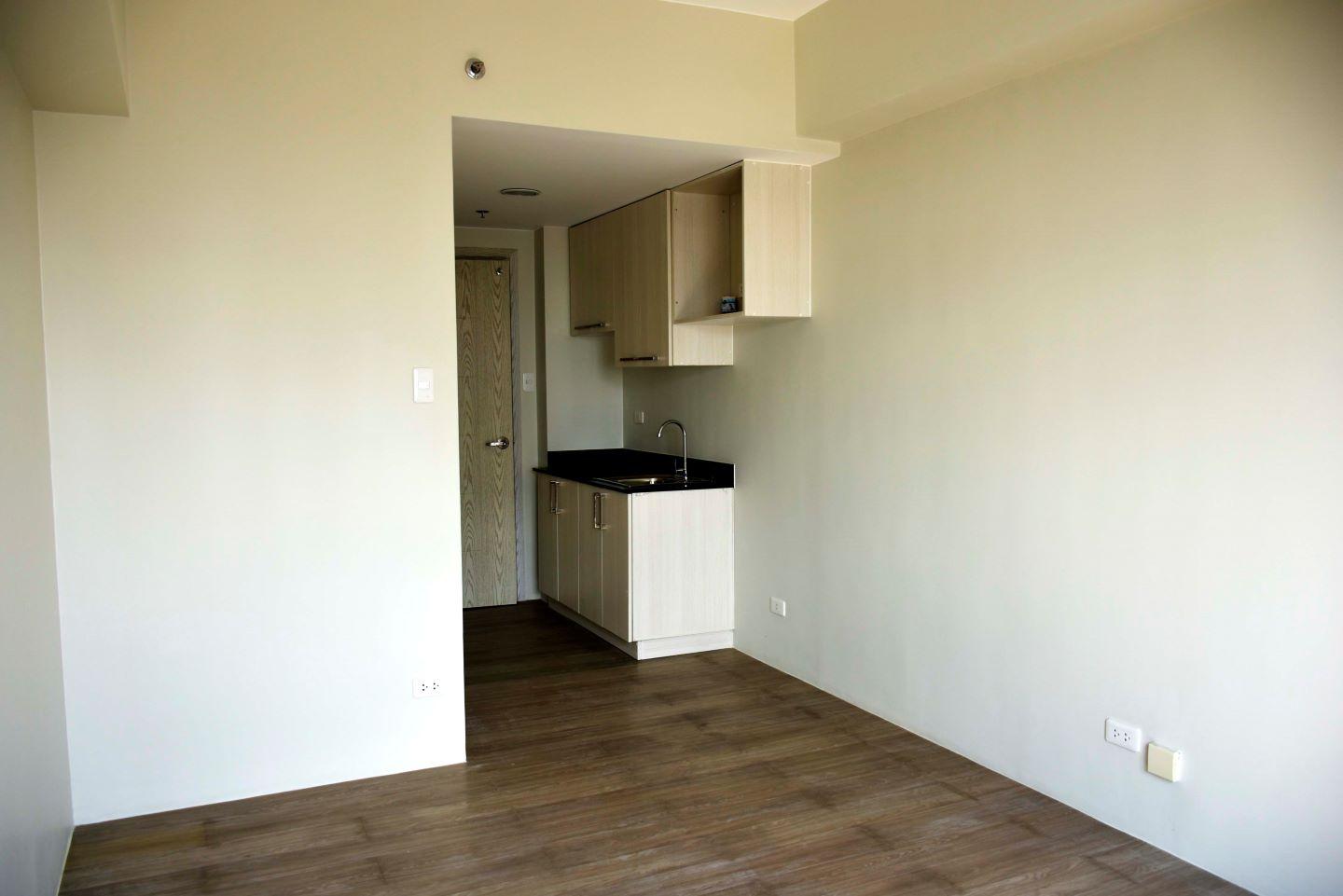
The main difference between a studio and a one bedroom is the presence of a separate bedroom. A studio has an open floor plan where the living and sleeping areas are arranged in the same room. The bed, small dining table, living area, and kitchen areas are usually placed within one room, while the bathroom is enclosed as a separate bathroom.
A one bedroom, on the other hand, has a dedicated bedroom separated from the living space by walls and a door. This creates a more traditional layout, where the sleeping areas are distinct from the living area, dining corner, and kitchen. In most cases, a one bedroom unit gives residents more room for furniture, storage, and personal space.
This distinction is important when comparing studio vs one bedroom units in the city. A studio places daily functions in one space, making it efficient and easy to maintain. A one bedroom creates separate zones, allowing residents to close the door to the bedroom when guests arrive, when work begins, or when rest becomes the priority.
Does a Studio Count as One Bedroom?
A studio does not generally count as one bedroom because it does not have a separate bedroom enclosed by walls and a door. While a studio includes a bed and a place to sleep, it still belongs to the same area as the living space, dining setup, and kitchen areas. This means the unit is considered one room with a separate bathroom, not a one bedroom.
This is a common point of confusion among buyers, investors, residents, and those reviewing leasing options. A studio may feel complete because it has space for sleeping, eating, working, and relaxing. However, it is not classified in the same way as one bedroom or larger bedrooms because the bedroom is not physically separated.
For example, a resident may place a bed near the window, a small dining table beside the kitchen, and a compact sofa across the room. These areas may serve different functions, but they remain part of the same room. In a one bedroom, the bed is placed inside a separate bedroom, while the living area remains available for guests, work, and daily movement.
Why a Studio Works for City Living
A studio is often a good choice for residents who value simplicity, access, and efficiency. It is especially practical for solo living because it keeps everything within reach. The open floor plan allows the resident to move easily from bed to desk, from kitchen to dining corner, and from living area to bathroom without passing through multiple rooms.
For young professionals who spend much of the day at the office, at meetings, or around the city, a studio can be a great option. It can also suit students, first-time renters, or investors looking for an accessible option in a strategic location. Since a studio usually has less space, it may also be cheaper to furnish, easier to clean, and more practical to maintain.
A studio can help residents save money on rent, utilities, furniture, and upkeep. Fewer square meters may mean lower cost, depending on the building, location, and unit features. For those who prefer a leaner lifestyle, a studio encourages intentional living. Every item must serve a purpose, from the bed and desk to storage pieces and dining furniture.
In Vista Residences condominium properties near central business districts, transport hubs, and university clusters, this efficiency becomes even more valuable. Residents can live close to work, school, retail, dining, and daily essentials while enjoying a compact home that supports mobility and convenience.

Image source: https://www.magnific.com/free-photo/3d-rendering-beautiful-comtemporary-luxury-bedroom-suite-hotel-with-tv_29945759.htm
The Disadvantages of a Studio
The main disadvantage of a studio is less storage space. Because the unit combines the living and sleeping areas in the same room, there may be limited room for wardrobes, cabinets, shelves, and larger furniture. Residents need to plan carefully so the layout remains comfortable rather than crowded.
Another challenge is privacy. Since the bed, living area, and dining space are found in one room, guests and visitors can immediately see the sleeping area. This may not be ideal for residents who often host family, invite friends, or prefer to keep personal belongings away from shared spaces.
A studio may also feel restrictive for those who work remotely. Without an extra room, the same area may be used for meetings, meals, rest, and sleep. This can make it harder to separate professional routines from personal time. A desk beside the bed may be convenient, but it can also blur the boundary between office and home.
Pet owners may also need to consider movement, storage, and cleaning needs. A pet can live comfortably in a studio, depending on size, temperament, and building rules, but the resident must make sure there is enough space for essentials. The same principle applies to those who enjoy collecting items, cooking often, or keeping larger furniture pieces.
A studio is efficient, but it asks for discipline. It works best when the resident knows what to keep, what to reduce, and how to organize one space well.
Why a One Bedroom Offers More Structure
A one bedroom gives residents more space, more privacy, and more flexibility. Because the bedroom is separated by walls and a door, the resident can create a stronger distinction between rest and activity. The living area can remain open for guests, dining, entertainment, or remote work, while the separate bedroom becomes a private retreat.
This layout is often preferred by residents who spend more time at home. Those who work remotely may use the living space as an office during the day and keep the bedroom reserved for sleep. This separation can make routines feel more balanced, especially for professionals who need focus, quiet, and personal space.
A one bedroom also provides more room for storage. There may be space for a wardrobe, side table, work desk, sofa, dining setup, and additional cabinets. Compared with a studio, the extra space allows residents to arrange furniture with less compromise. The unit can feel more composed because every area has a clearer purpose.
For those who welcome visitors often, a one bedroom may be the better option. Friends can stay in the living area without entering the bedroom. Guests can eat, talk, and relax while the private room remains closed. This makes the layout more comfortable for entertaining, especially when compared with a studio where everything is visible in the same room.

Studio vs One Bedroom: Budget and Value
The studio vs one bedroom decision often comes down to budget. A studio is generally more accessible because it has less space and may require fewer furnishings. Monthly rent may be lower, utilities may cost less, and the overall amount of money needed to furnish may be more manageable.
This makes a studio a cost effective choice for residents who want to save while still enjoying a central location. It is also a practical plan for those who prefer to spend money on mobility, travel, dining, investments, or other lifestyle priorities instead of maintaining a larger home.
A one bedroom usually comes with a higher cost. There is more space to furnish, cool, clean, and maintain. Rent may be higher, and utilities may increase depending on air conditioning use, appliances, and daily habits. However, the added comfort can make the cost worthwhile for residents who value privacy, flexibility, and extra room.
For investors, both unit types can serve different markets. A studio may appeal to students and young professionals looking for a cheaper rental option. A one bedroom apartment may attract tenants who prefer more privacy, work-from-home comfort, or a more complete residential layout. In the right location, either unit can become a strong choice depending on demand, pricing, and target occupants.
Which Layout Fits Your Lifestyle?
The right unit depends on how you live. A studio is a good choice if you prefer solo living, have fewer belongings, and want an efficient home that is easy to maintain. It works well if you spend most of your time outside, eat out often, travel frequently, or prefer a compact setup near work, school, or transport.
A studio is also ideal if you want to save money and keep your budget focused. Since everything is within one space, it supports a lifestyle built around access, movement, and convenience. It may be the better option for residents who are starting out, relocating to the city, or looking for a practical new home.
A one bedroom is a better option if you need more privacy, more room, and more storage. It suits residents who work remotely, cook often, entertain guests, or want clearer boundaries between sleep, work, and leisure. It may also be more comfortable for those with a pet, more furniture, or plans to stay longer in the same condo.
Roommates may also affect the decision. A studio is usually not ideal for roommates because it lacks separate sleeping areas. A one bedroom can offer more flexibility, though it still depends on the arrangement, personal preferences, and comfort level of the residents.

Choosing with the Above Factors in Mind
When deciding between a studio or a one bedroom, residents should consider the above factors together rather than looking at size alone. Space matters, but so do location, layout, budget, storage, privacy, and daily habits. A smaller studio in a prime location may serve one resident better than a larger apartment farther from work or school. A one bedroom may be worth the additional cost if it allows better rest, stronger focus, and a more comfortable way of living.
The comparison of studio vs one bedroom unit is ultimately a comparison between efficiency and separation. A studio brings everything into one space for practical city living. A one bedroom provides a separate bedroom and extra space for residents who want more structure. Neither is automatically better for everyone. The right answer depends on how much space you need, how you plan to use the room, how often guests visit, and how much you prefer privacy at home.
Finding the Right Home in the Sky
For Vista Residences, condominium living is about creating a home that supports the pace and promise of the city. Whether you choose a studio or a one bedroom unit, the goal is to find a layout that works with your lifestyle, budget, and future plans.
A studio can be the accessible option for efficient urban living. A one bedroom can be the great option for those who need more space, more privacy, and a clearer residential rhythm. Both can become strong choices when supported by a connected location, practical amenities, and access to the places that shape everyday life.
In choosing between studio vs one bedroom, consider how you sleep, work, eat, welcome friends, manage money, organize storage, and spend time at home. The best condo unit is not simply the largest or the cheapest. It is the one that allows your new home to feel practical, personal, and ready for the life you are building above the city.
.png)