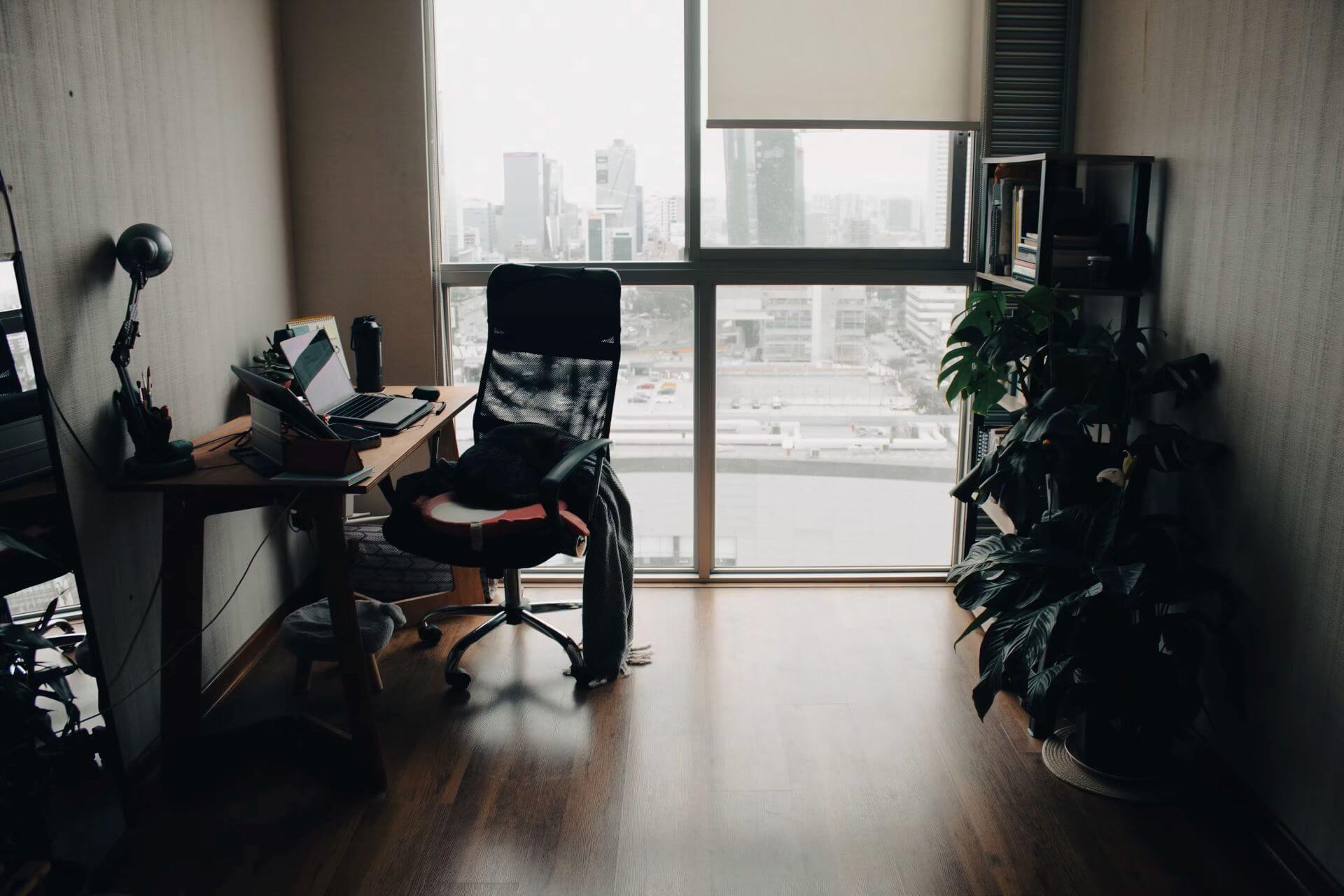
You never really think about condo maintenance until the rainy season starts acting like it has something personal against your schedule.
One day, you are living your best city life. You have class, work, coffee, deadlines, errands, maybe a little “I deserve this” takeout. Then suddenly, the rain hits hard, your window starts fogging up, your air conditioning unit smells a little suspicious, and there is a tiny leak in the corner that you swear was not there yesterday. Adulting really does not send calendar invites. It just appears in your condo unit with a toolbox and a bill.
That is why having a condo maintenance checklist for the wet season matters more than most people think. It is not just for condo owners who already know where the water heater switch is or for parents who can hear a broken appliance from three rooms away. It is also for students, young professionals, and anyone who has just moved in and realized that keeping a home in tip-top shape is part of protecting your comfort, your budget, and your peace.
Proper maintenance is one of those small tasks that can save money in a very real way. It helps prevent costly repairs, avoid fire hazards, reduce mold growth, keep your most-used appliances functioning properly, and make daily life easier, even during heavy rains. The goal is not to become a full-time repair expert. The goal is to know what to check, when to ask for help, and how to keep your living spaces safe with minimal effort.
Start With A Home Maintenance Checklist That Actually Fits Condo Living
A home maintenance checklist is simply a guide that tells you what parts of your home need regular maintenance, cleaning, testing, or inspection. In a house, this can include outdoor faucets, cleaning gutters, exterior paint, peeling paint, poorly insulated pipes, and weather damage around the roof or walls. In a condo, the list is different because you are working with a smaller space, shared building systems, and a property management team that handles many exterior maintenance concerns.
A condo checklist usually focuses on the areas inside your unit and the things you personally use every day. Think windows, doors, air filters, water pipes, smoke detectors, carbon monoxide detectors, your fire extinguisher, kitchen equipment, garbage disposal, dryer vents, air conditioners, and your electrical system. It also includes habits like checking for mold growth, maintaining proper ventilation, keeping electronics elevated during heavy rains, and knowing when to call a professional electrician instead of pretending YouTube University gave you a license.
A standard maintenance checklist often includes five major items that require regular maintenance: plumbing, electrical components, air conditioning or HVAC system, fire safety devices, and appliances. These five cover most of the problems that can disrupt condo life, especially when warm weather shifts into rainy season and humidity becomes everyone’s uninvited roommate.
Why Condo Owners Should Care Before The Rain Starts
Condo owners, renters, and student residents all have one thing in common: nobody wants to discover a problem when the rain is already pouring. Preventive maintenance is basically the responsible older sibling of emergency repairs. It checks things early, so your future self does not have to panic later.
For condo owners, this is also about protecting the unit's value. A well-maintained condo unit is easier to live in, easier to rent out, and easier to preserve over long periods. Small leaks, mold growth, loose rubber sealants around windows, or damaged pipes may look harmless at first, but they can lead to costly repairs if ignored. That tiny patch of moisture near the wall can become a bigger issue if it stays hidden behind furniture for too long.
For students and young professionals, this is about keeping life smooth. You already have exams, work deliverables, social plans, family responsibilities, and bills, and doing group work in your brain. You do not need a clogged sink or sudden electrical issue to join the team. Regular inspections help you catch necessary repairs early, maintain optimal functioning, and keep your space safe without making home maintenance feel like a second job.
Check Your Condo Unit Before The Rainy Season Goes Full Drama
Your condo unit is your first line of defense during the rainy season. Before the heavy rains become a weekly personality, check your windows, doors, walls, balcony, floors, and storage areas. Look for cracks, water stains, loose sealants, and any area where rainwater might seep in. If you notice gaps near windows or sliding doors, report them early or have them sealed with proper materials like weather stripping, rubber sealants attached securely, or wall putty for minor cracks when appropriate.
Pay attention to your balcony if you have one. Secure outdoor furniture, especially metal furniture, because strong winds can move loose items and cause damage. If you have window blinds, make sure they are not trapping moisture near the glass. Keep valuables away from windows and elevate electronics when needed, especially during long periods of rain. Even if your unit is on a higher floor, rain can still enter through gaps, balcony doors, or poorly sealed windows.
This is also the time to check for pest activity. Rain can push pests indoors, and common problem areas include sinks, drains, doors, windows, and cabinets. Pest control should not be a once-every-decade thing. Having regular pest control services at least once a year can help protect your condo from infestations before they become everyone’s worst roommate story.
Clean Your Air Filters Before Your Air Conditioning Unit Starts Complaining
Air filters are tiny heroes that get ignored until the room smells weird, the air feels heavy, or the electricity bill starts acting bold. Your air conditioning unit works harder during warm months, dry weather, and humid rainy season days, so regularly clean the filters to maintain optimal functioning and improve energy efficiency.
Dirty air filters can reduce airflow, trap dust, and make your air conditioners work harder than necessary. When that happens, the unit may consume more energy and cool your room less effectively. It can also affect air quality, which matters a lot in smaller living spaces where proper ventilation is already limited. For students who study, sleep, eat, and sometimes emotionally recover in the same room, clean air is not optional. It is part of surviving city living.
If your unit has a larger HVAC system or if the building has centralized systems, ask property management about proper maintenance schedules. For individual air conditioners, you can clean the filter regularly, but deeper cleaning, refrigerant levels, and technical checks should be handled by trained professionals. The goal is not to dismantle your unit like you are in a repair competition. The goal is to keep it functioning properly and prevent costly repairs.
Air Conditioners, Proper Ventilation, And Mold Growth
Rainy season humidity can make a condo feel sticky, musty, and weirdly sleepy. That is why air conditioners, exhaust fans, and proper ventilation matter. Mold growth loves moisture, low airflow, and forgotten corners. It can appear near windows, bathroom walls, cabinets, curtains, and furniture placed too close to damp surfaces.
To prevent mold growth, do not let wet items sit around for long periods. Dry umbrellas, shoes, and jackets properly before storing them. Keep cabinets slightly aired out when possible, especially during heavy rains. Use baking soda in enclosed areas to help manage odor and moisture. Wipe window condensation, check bathroom corners, and avoid pushing furniture directly against damp walls.
This may sound like a lot, but it is really just paying attention. Mold does not usually appear overnight like a horror movie villain. It builds slowly when moisture is ignored. A few regular maintenance habits can keep your condo cleaner, fresher, and easier to live in during the wet season.

Inspect Your Electrical System And Call A Professional Electrician When Needed
The electrical system is not the area where anyone should be experimenting for fun. During the rainy season, the risk of electrical issues increases because moisture, leaks, and overloaded outlets can become fire hazards. Check your sockets, extension cords, chargers, kitchen equipment, and electronics. If you see sparks, burning smells, warm outlets, flickering lights, or exposed wiring, stop using the affected area and call a professional electrician.
Keep electronics elevated if your unit is prone to leaks or if you live on a lower floor where flooding risks are higher. Use surge protectors for your most-used appliances and work equipment. This is especially important for students and freelancers who rely on laptops, monitors, routers, and chargers for daily life. One sudden power surge can ruin both your device and your mood.
Also, avoid overloading outlets. It is tempting to plug everything into one extension cord because the socket placement in some units seems like it was designed by someone who never owned a charger. But overloaded outlets can cause accidental fires. Prevent accidental fires by using the right extension cords, unplugging appliances when not in use, and keeping cords away from wet areas.
Keep Your Fire Extinguisher, Smoke Detectors, And Carbon Monoxide Alarms Ready
A fire extinguisher is one of those things you hope you never use, but you should still know where it is and whether it works. Check the expiration date, pressure gauge, and placement. It should be accessible, not buried behind random storage bags, old boxes, or the “I will organize this soon” pile.
Smoke detectors should also be tested monthly. Replace batteries when needed and never ignore beeping sounds. If your unit or building has carbon monoxide detectors or carbon monoxide alarms, test them as well. In some condos, carbon monoxide risks may depend on appliances, ventilation, parking levels, generators, or building systems, so it is always better to know what safety devices are installed in your space.
If your building has a sprinkler system, know where the sprinklers are located and avoid blocking them with tall furniture or decorations. Fire safety is not the most glamorous part of home maintenance, but it is one of the most important. A safe condo is not just pretty. It is prepared.
Check Water Pipes, Hot Water, And Your Water Heater
Water pipes deserve attention before the rainy season because plumbing issues can turn into expensive problems fast. Check under sinks, around toilets, near the shower area, and behind appliances for leaks, moisture, or unusual smells. If your faucet pressure suddenly changes, your drain gurgles, or the floor near a pipe feels damp, do not ignore it.
If your unit has a water heater, test it before you need hot water on a rainy morning. Check for leaks, rust, unusual noises, and inconsistent heating. If your building or unit uses a water softener, follow the recommended maintenance instructions. Not every condo has one, but if yours does, it should be included in your comprehensive checklist.
You might see terms like winter maintenance checklist, winter storms, heavy snow, low temperatures, colder weather, heating system, outdoor faucets, and poorly insulated pipes in international home maintenance guides. For Metro Manila condos, those are not usually your main concerns. We do not prepare for heavy snow, but we do prepare for heavy rains, humidity, leaks, and water damage. The smart move is to adapt the checklist to local weather instead of copying everything blindly.
Do Not Forget Kitchen Equipment And Garbage Disposal
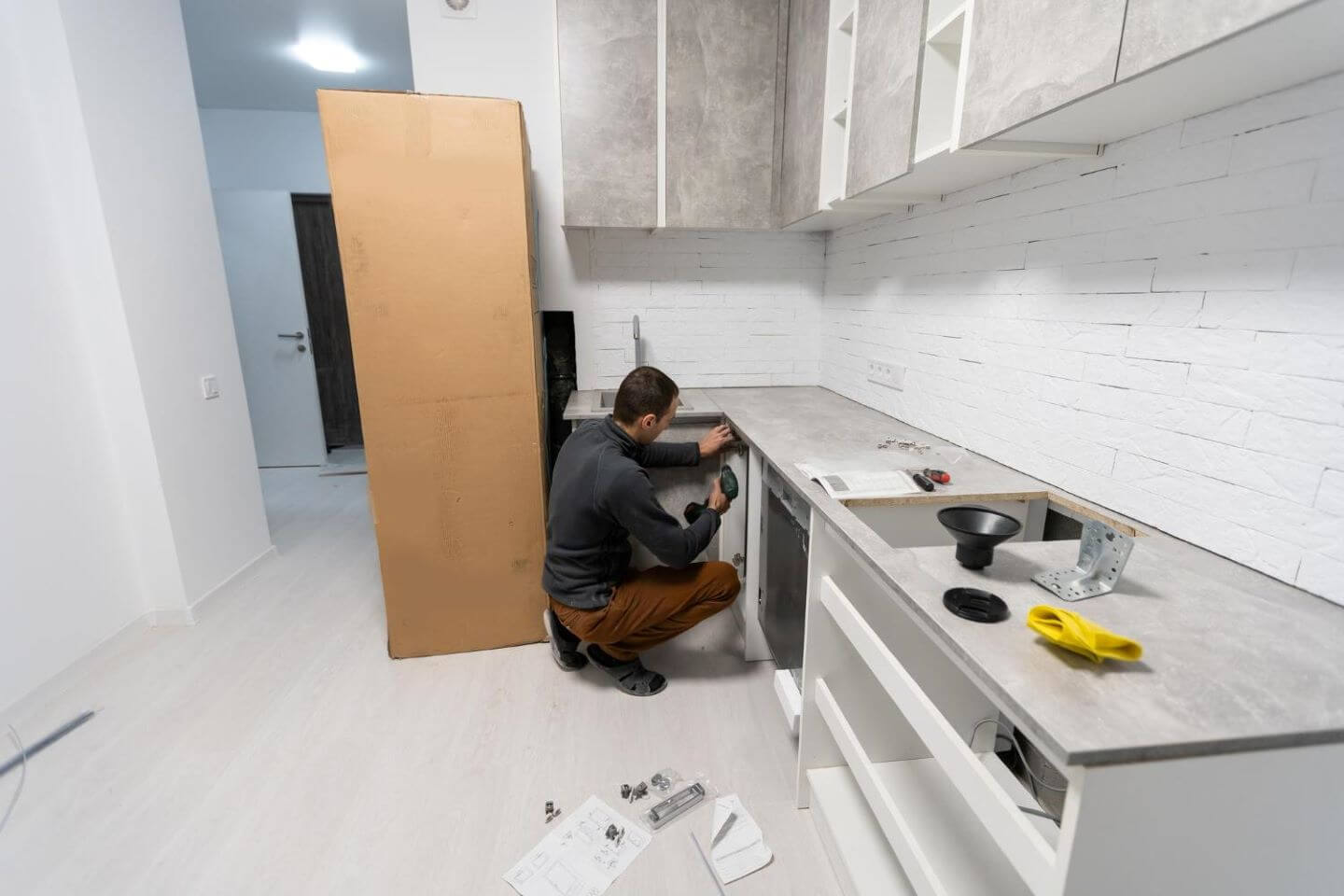
The kitchen is one of the busiest parts of any condo, even if your cooking style is mostly reheating leftovers and pretending instant noodles are a balanced meal. Kitchen equipment needs regular maintenance because it involves heat, water, electricity, and food waste in one small area.
Check your stove, microwave, refrigerator, kettle, rice cooker, range hood, and other most used appliances. Clean grease buildup, inspect cords, and make sure appliances are functioning properly. If your unit has a garbage disposal, clean it according to the manufacturer’s instructions and avoid forcing hard items down the drain. Baking soda can help with mild odors, but persistent smells or clogs may need professional help.
Also, clean behind and under appliances when you can. Crumbs and moisture can attract pests, especially during rainy season. This is one of those home maintenance tasks that feels small but pays off later. Future you will be grateful. Slightly annoyed while doing it, yes, but grateful.
Dryer Vents, Laundry Corners, And Damp Clothes
If your condo has laundry equipment, dryer vents need attention too. Lint buildup can reduce energy efficiency and become a fire hazard. Clean the lint trap after every use and check the vent area regularly. If clothes take longer to dry or the dryer feels hotter than usual, that may be a sign something is not working properly.
For units without dryers, drying clothes during rainy season can still be tricky. Avoid letting wet laundry sit indoors for too long because it can increase humidity and encourage mold growth. Use proper ventilation, keep laundry areas clean, and make sure water does not pool near electrical outlets or appliances.
This is the glamorous adulting content nobody warned us about. One day you are making mood boards. The next, you are researching dryer vents. Growth is wild.
Dry Season Prep Still Matters After The Rain
The dry season is the perfect time to repair what the rainy season exposed. Once the weather becomes more stable, inspect areas that may have been affected by water, moisture, or humidity. Check for peeling paint, cracks, warped surfaces, and stains near windows or ceilings. If there is exterior paint damage or weather damage outside your unit, report it to building management because exterior maintenance is usually handled by the property team.
Dry weather also gives you a better chance to clean, air out furniture, reorganize storage, and schedule necessary repairs. The dry season is also a good time to deep clean air conditioners, inspect rubber sealants attached around windows, and prepare your condo before the next round of warm weather and rain.
Think of it as a cycle. The rainy season teaches you what needs fixing. Dry season gives you the chance to fix it properly. That is how a condo stays well-maintained without you needing to panic every June.

What Should A Seasonal Checklist Include?
A seasonal checklist should include anything affected by weather changes. For Metro Manila condo living, that means checking seals around windows and doors, cleaning air filters, inspecting the air conditioning unit, checking water pipes, testing smoke detectors, reviewing fire extinguisher condition, protecting electronics, managing indoor humidity, cleaning kitchen equipment, checking dryer vents, and looking for signs of pests or mold growth.
It should also include emergency preparation. Create a small disaster kit with essentials like drinking water, snacks, a flashlight, batteries, a power bank, basic medicine, important documents, and emergency contact numbers. This is especially useful for students living away from family. Nobody wants to be the person looking for a flashlight when the power is already out.
A good seasonal checklist should not scare you. It should make you feel ready. The best home maintenance checklist is not the longest one. It is the one you can actually follow.
Home Maintenance Is Really About Making Daily Life Easier
Home maintenance can sound like a very adult phrase, the kind of thing you imagine being discussed in a hardware store by people who know the difference between sixteen types of screws. But really, it is just taking care of the space that takes care of you.
A condo that smells clean, cools properly, drains well, stays dry, and keeps your appliances working is easier to live in. It helps you study better, rest better, work better, and spend less time dealing with problems that could have been prevented. Regular inspections and small tasks protect your budget, your comfort, and your routine.
This matters even more in a city setting. Vista Residences is known for high-rise living in locations close to university clusters, transport hubs, and central districts, which makes daily life more convenient for students, young professionals, and condo owners. When your home is already close to school, work, dining, and essential services, keeping it well-maintained helps you enjoy that convenience even more.
Because city living should feel smart, your condo should be the place you return to after the rain, the traffic, the deadlines, and the group project that somehow became your personal responsibility. Keep it clean. Keep it safe. Keep it ready.
The rainy season may be unpredictable, but your home does not have to be. A little preventive maintenance now can save money, prevent costly repairs, and keep your condo unit in tip-top shape with minimal effort. And honestly, that is the kind of adulting win we love to see.
.png)