
A small condo has a funny way of testing how realistic your lifestyle expectations are.
At first, everything feels exciting because you are looking at the space with imagination, not yet with laundry, luggage, appliances, school bags, skincare, groceries, and the random things daily life somehow collects. You walk in and picture a cozy bed near the window, a clean little kitchen, a productive study corner, and maybe even a dining area if the layout is feeling generous. In your head, every square foot has been planned and the entire space already works beautifully.
Then real life moves in, and the condo starts telling the truth.
The desk becomes a study table, vanity, charging station, snack corner, and catch-all surface in one. The closet starts negotiating with your suitcase. The kitchen counter has just enough room for one plate, one mug, and a little bit of optimism. Even the chair you bought for “extra seating” slowly becomes a temporary closet with legs. It happens quietly, then all at once, and suddenly the problem is not that the condo is small. The problem is that the space constraints have not been planned for the way you actually live.
That is where a smart condo renovation becomes less about making the unit look expensive and more about making it feel intentional. For students, young professionals, condo owners, and parents investing in a city home, good design is not just about aesthetic appeal. It is about creating a functional space that supports everyday routines, gives you more space to move, and helps the entire condo feel calmer, cleaner, and easier to enjoy.
With the right renovation process, thoughtful planning, smart storage solutions, better lighting fixtures, and a clear understanding of your condo rules, limited square footage can work harder than expected. Every square meter counts in condo living, but with the right strategy, every square meter can also serve a purpose.
Condo Renovation Starts Before The First Tile Is Removed
A condo renovation can feel exciting because it gives you the chance to reimagine your entire space. Maybe you want cleaner floors, better storage, a brighter kitchen, or a condo bathroom that does not feel like it came from a decade you do not want to revisit. Before anything gets removed, replaced, or added, the first step is not shopping for finishes. The first step is understanding what your building allows.
Unlike renovating a regular house, a condo renovation involves shared spaces, neighboring units, building policies, and approval requirements. This means your remodeling process is not just between you, your budget, and your contractor. It may also involve your condo board, property management office, condo association, and sometimes local permitting offices, depending on the scope of work.
The correct order of renovation usually starts with planning, budgeting, checking condo rules, securing approvals, and finalizing the design. After that comes demolition, layout adjustments, plumbing and electrical work, ceiling and wall preparation, flooring, built-in solutions, painting, fixtures, appliances, and final styling. It sounds like a lot, but following the right order helps create a smoother renovation process and prevents expensive mistakes.
This matters because condo projects often have project limitations. You may not be able to move plumbing lines freely, drill into cement ceilings, remove certain walls, or change building-connected systems. Even non-load-bearing walls may still require review before removal. It is better to ask early than to find out halfway through the renovation journey that your dream layout is not allowed.
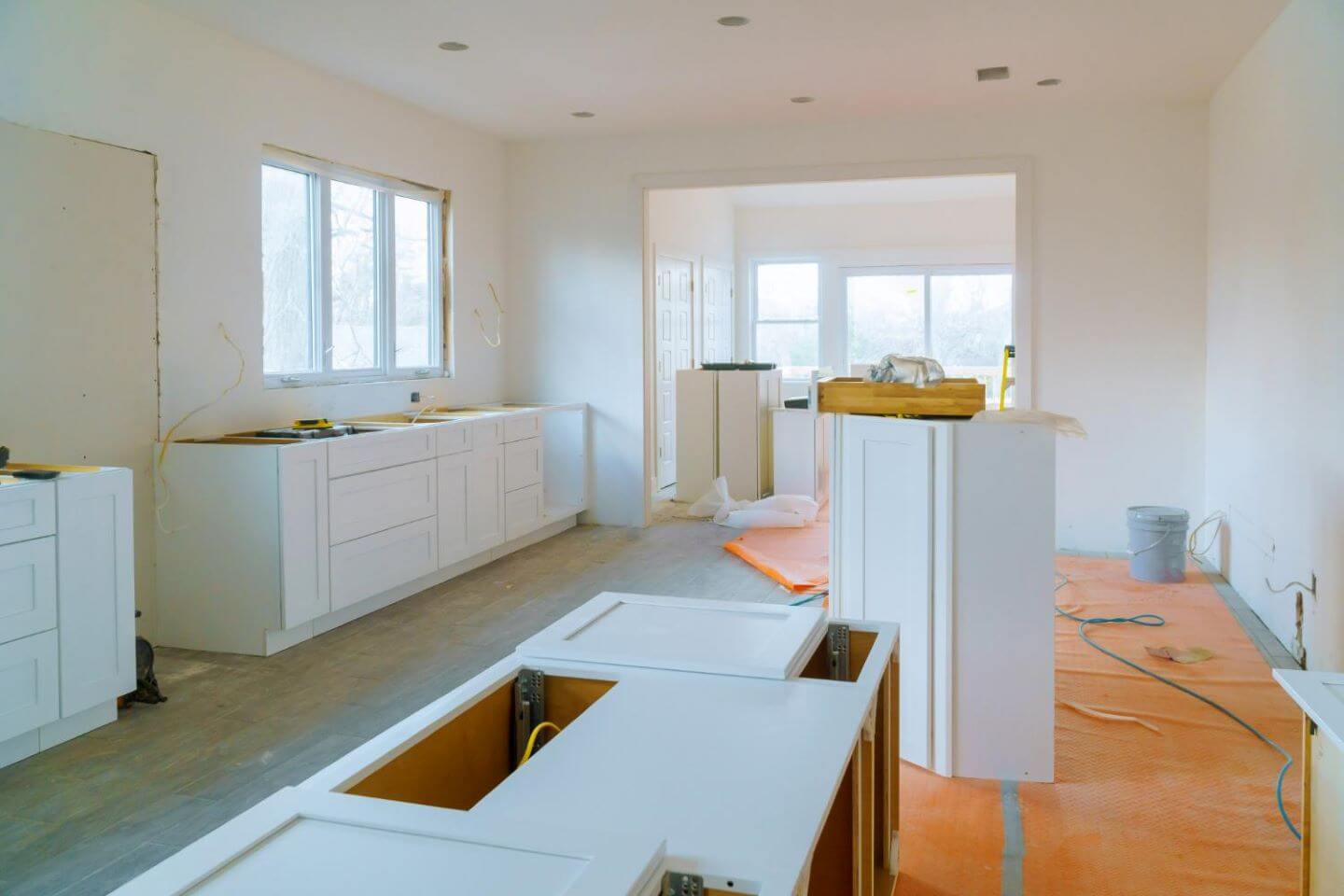
Image source: https://www.magnific.com/premium-photo/kitchen-remodel-furniture-installation-cabinet_4170588.htm
Check HOA Rules, Condo Rules, And Your Condo Association Requirements
If there is one thing that can protect your budget and timeline, it is reading the HOA rules before the work begins. It may not sound exciting, but this is the part that saves you from unnecessary delays, rejected plans, and surprise requirements that make everyone suddenly stressed in the group chat.
The condo association or condominium association usually sets the guidelines for renovation work inside the building. These rules may cover work hours, elevator use, contractor access, noise limits, debris disposal, insurance coverage, material specifications, and the permitting process. Some buildings may also require detailed plans showing the materials, finishes, fixtures, and areas affected by the renovation.
Your condo board may ask for HOA approvals before allowing any work to start, especially for bathroom renovation, kitchen upgrades, electrical changes, flooring replacement, plumbing adjustments, or any layout modifications. These steps are not just formalities. They help protect the building, the neighboring units, and the shared systems everyone depends on.
This is also why hiring the right contractor matters. A contractor with actual condo renovation experience will understand HOA regulations, building restrictions, approval documents, and the logistical realities of working in a high-rise. When choosing a renovation firm, ask about their past projects in condominium buildings. Ask how they handle permits, building coordination, elevator schedules, noise control, and unexpected costs. The best contractor is not just the one who can make the space look good. It is the one who can get the work done properly without turning your renovation into a long-running teleserye.
Project Limitations Can Lead To Smarter Design
Project limitations can feel frustrating at first because they remind you that you cannot do everything you want inside a condo unit. You may have fixed plumbing locations, limited space, lower ceiling height, cement ceilings, shared walls, and building rules that prevent major structural changes. However, these limits can also push you toward smarter choices.
Instead of asking how to make the condo physically bigger, the better question is how to maximize usable space. This shift changes the way you look at the entire condo. You start thinking about flow, storage, lighting, movement, furniture size, appliance placement, and how each part of the unit supports daily life.
For example, you may not be able to move the kitchen across the room, but you can improve the cabinet layout, add integrated storage, use energy-efficient appliances, and install additional lighting fixtures to make the area more functional. You may not be able to raise the ceiling height, but you can use layered lighting approaches, mirrors, vertical storage, and light finishes to make the living spaces feel more open.
A limitation does not always mean the design has to become less exciting. Sometimes, it simply forces the renovation to become more thoughtful. That is usually where the best ideas happen.
Maximize Storage Without Making The Condo Feel Heavy
To maximize storage in a condo, you need to think beyond adding more cabinets. Storage should make your condo unit feel calmer, not heavier. The goal is to create smart storage solutions that support your routine without making the entire space look like a stockroom that happens to have a bed.
Built-in solutions work well in small spaces because they can be designed around awkward corners, wall heights, and unused areas. Custom closet systems can help organize clothes, luggage, school supplies, cleaning items, and all the little things that somehow multiply once you live on your own. Custom shelving can also help turn empty vertical areas into usable space without eating too much floor space.
Integrated storage is especially useful when you are dealing with limited square footage. A bed with drawers, a bench with hidden compartments, floating cabinets, a wall-mounted desk, or a slim entry console can help you store more without sacrificing style. In a compact unit, furniture needs to earn its place. If a piece only looks good but does not support daily life, it might not deserve the space.
The trick is to avoid visual clutter. Keep storage lines clean, choose finishes that match the overall palette, and use closed storage for items that do not need to be displayed. Open shelves can look beautiful, but they work best when they are styled intentionally. Not every charger, receipt, bottle, and random freebie has to live in public.
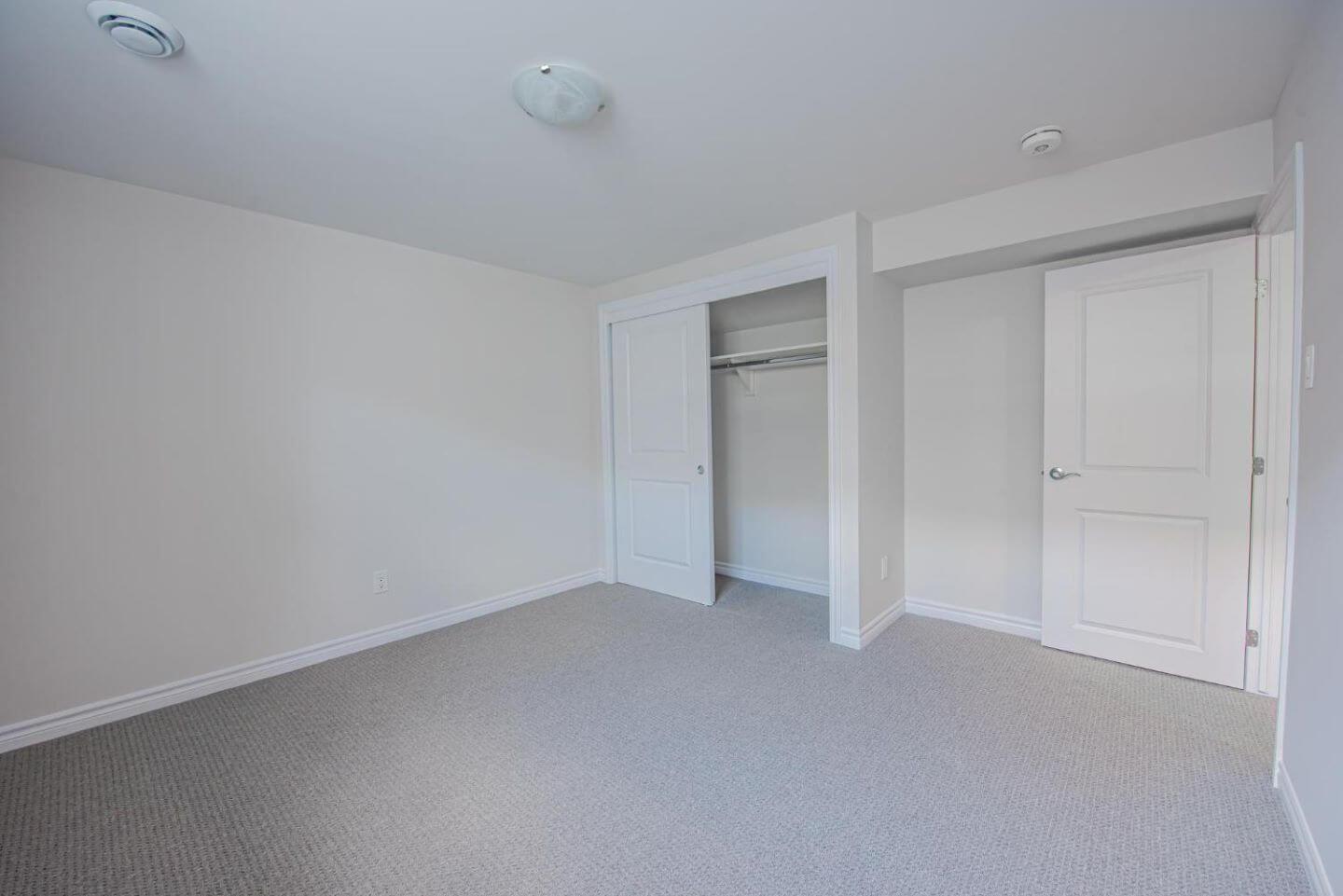
Image source: https://www.magnific.com/premium-photo/empty-unfurnished-basement-room-house-with-white-walls-carpet-floor_175220636.htm
More Space Is Really About Better Flow
When people say they want more space, they are usually asking for better movement. They want to walk through the unit without bumping into furniture, eat without clearing half the table, work without staring at clutter, and rest without feeling like the room is closing in. In condo renovation, more space is often created through better flow, not actual expansion.
Start by studying how you use the condo unit. Notice where you drop your bag, where shoes pile up, where you eat, where you work, where laundry goes, and where guests usually sit. Once you understand the natural rhythm of the space, you can make better decisions about furniture placement and storage.
Multipurpose furniture can significantly enhance a compact condo because it allows one area to serve more than one function. A foldable dining table can work for meals and studying. A sofa bed can support guests without taking over the room. A wall-mounted desk can create a work area without using too much floor space. A mirror placed near natural light can make the space feel brighter and more open.
Creating more space does not mean filling the unit with every “small condo hack” you see online. It means choosing the right few pieces that make everyday life easier. The best layout is not the one with the most furniture. It is the one that gives you room to breathe.
Living Spaces Should Feel Open, Useful, And Personal
Living spaces in condos need balance. They should feel polished, but not staged. Comfortable, but not crowded. Personal, but not so specific that future buyers or renters cannot imagine themselves living there. This matters even more if the condo is an investment property or a unit meant to serve different needs over time.
Light and neutral color palettes can improve visual appeal and make small spaces feel brighter. This does not mean the condo has to look plain. You can add personality through textures, artwork, plants, rugs, accent chairs, curtains, and carefully chosen decor. The permanent elements, such as floors, cabinets, and built-in solutions, are usually better kept timeless, while the removable pieces can carry more personality.
Layered lighting can also enhance ambiance in a major way. Instead of relying on one ceiling light, combine ceiling fixtures, lamps, wall lights, under cabinet lights, and additional lighting fixtures where needed. Smart lighting systems are also gaining popularity because they allow you to adjust brightness depending on what you are doing, whether you are studying, working, hosting, or trying to make your dinner feel more expensive than it was.
If your condo has cement ceilings and recessed lights are not possible, you still have options. Track lights, pendant lights, slim surface-mounted fixtures, and floor lamps can create a warm and modern feel without requiring major ceiling work. Good lighting is one of the fastest ways to make a condo feel more finished, and honestly, it is also the difference between cozy and “why does my room feel like a clinic?”
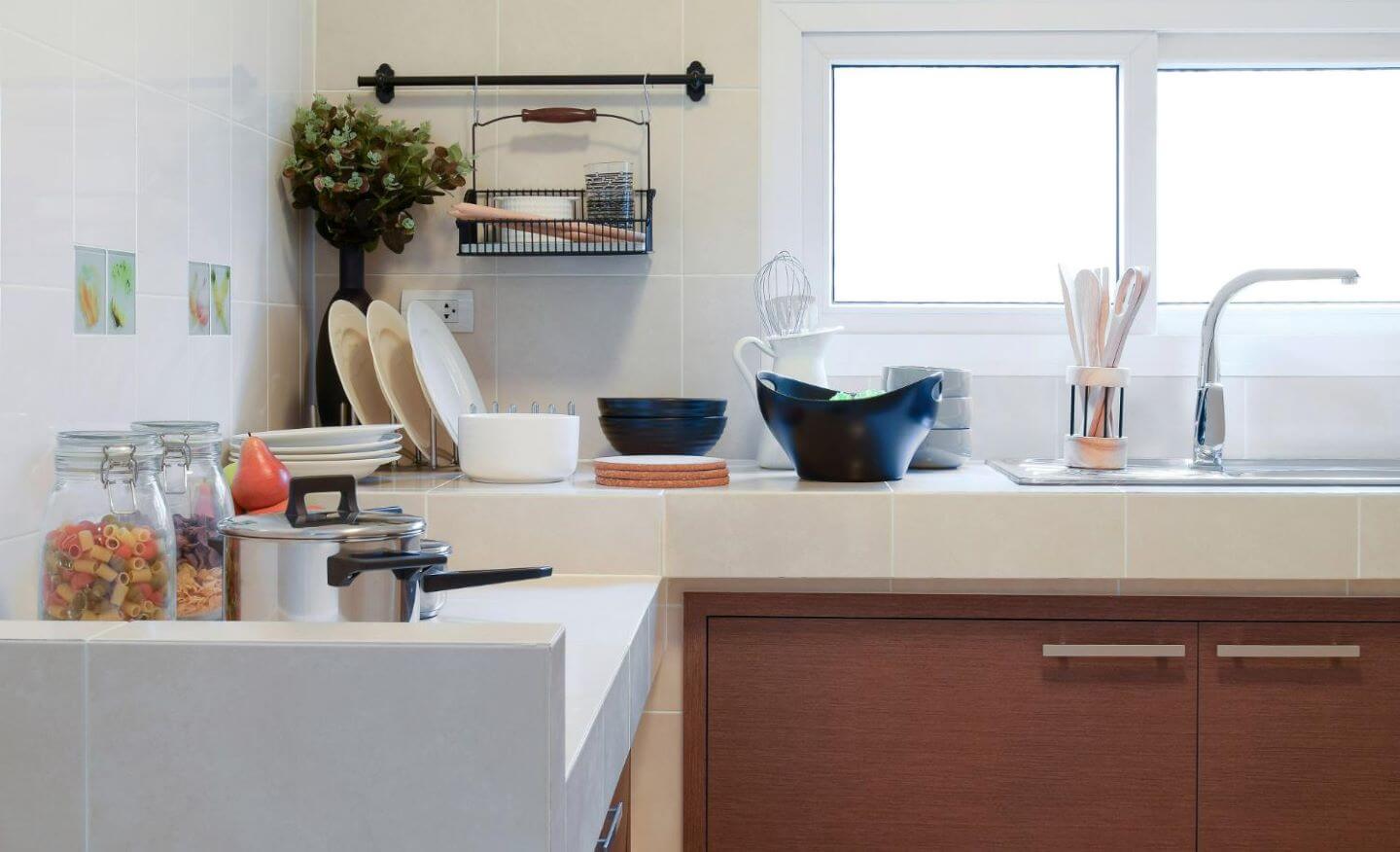
Image source: https://www.magnific.com/premium-photo/white-clean-counter-kitchen-with-utensil-home_3465869.htm
Condo Kitchens Need Practical Upgrades, Not Just Pretty Ones
Condo kitchens may be small, but they carry a lot of daily life. They handle coffee, quick breakfasts, leftovers, late-night meals, family visits, meal prep attempts, and those moments when you open the fridge as it might suddenly reveal a full dinner. Because of this, a kitchen renovation should focus on practical upgrades before purely decorative ones.
Start with the function. Look at the cabinet layout, counter space, lighting, appliance size, outlet placement, and storage. If the kitchen feels cramped, the solution may not be to add more items. It may be to improve the way existing space is used. Pull-out shelves, vertical dividers, slim pantry cabinets, and integrated storage can help maximize space without making the kitchen feel crowded.
Upgrading lighting fixtures can make a big difference in condo kitchens. Under-cabinet lighting helps brighten counters, while warm overhead lighting improves the mood of the space. Energy-efficient appliances are also a smart choice because they support daily use while helping with energy efficiency. This is especially useful for condo owners who plan to rent out the unit, since practical and efficient appliances can make the property more appealing.
For finishes, choose materials that are easy to clean and hard to regret. Modern cabinet handles, durable countertops, simple backsplash tiles, and cohesive flooring can refresh the kitchen without making it feel too busy. A herringbone pattern can add personality, but it should be used carefully in a small kitchen so it does not overwhelm the room. In limited space, visual calm is a design advantage.
Bathroom Renovation Can Make A Condo Feel More Premium
Bathroom renovation is one of the most effective ways to improve both personal enjoyment and property value. A clean, modern, well-lit condo bathroom can make the entire condo feel better maintained because it is one of the spaces people notice quickly. Even if the rest of the unit is simple, an updated bathroom can significantly enhance the overall impression.
In a small condo bathroom, large-format tiles can create a cleaner look because they reduce grout lines. Using the same tile on the floor and walls can also make the room feel more seamless. Floating vanities, wall niches, glass partitions, and slim storage can help maximize usable space without making the bathroom feel cramped.
Lighting also matters here. A brighter mirror area, warm ambient lighting, and proper ventilation can improve both comfort and function. Ventilation should not be ignored because moisture can lead to mold, odor, and maintenance issues over time. A bathroom can look beautiful on day one, but if it is not practical, it will become annoying very quickly.
Choose finishes with daily life in mind. Tiny tiles with dramatic grout lines may look cute online, but they can become tiring to clean. Trendy fixtures may be fun now, but timeless choices usually age better. A good condo bathroom should be stylish, easy to maintain, and comfortable to use, especially when you are rushing in the morning and already running late.
Maximizing Functionality With Smart Features
Maximizing functionality does not mean turning your condo into a futuristic control room. It means choosing smart features that make daily life easier. Smart home technology integration can be simple, useful, and space-saving when planned properly.
Smart lighting systems are a practical starting point because they let you control brightness, create schedules, and change the mood of the room without adding physical clutter. Smart thermostats can help manage cooling more efficiently if compatible with your air conditioning setup. Smart plugs can help monitor appliances, while motion sensor lights can make closets, entryways, and cabinets easier to use.
The important thing is to choose smart features that solve real problems. Do not add technology just because it sounds impressive. A smart condo should make your routine smoother, not more complicated. If the feature saves time, improves energy efficiency, enhances comfort, or helps the unit feel more organized, it is worth considering.
Smart features work best when paired with space optimization. A compact condo becomes more livable when lighting, storage, appliances, and furniture all support the way you use the unit. That is when limited space starts feeling intentional instead of restrictive.
The Renovation Mistakes That Make Small Spaces Feel Smaller
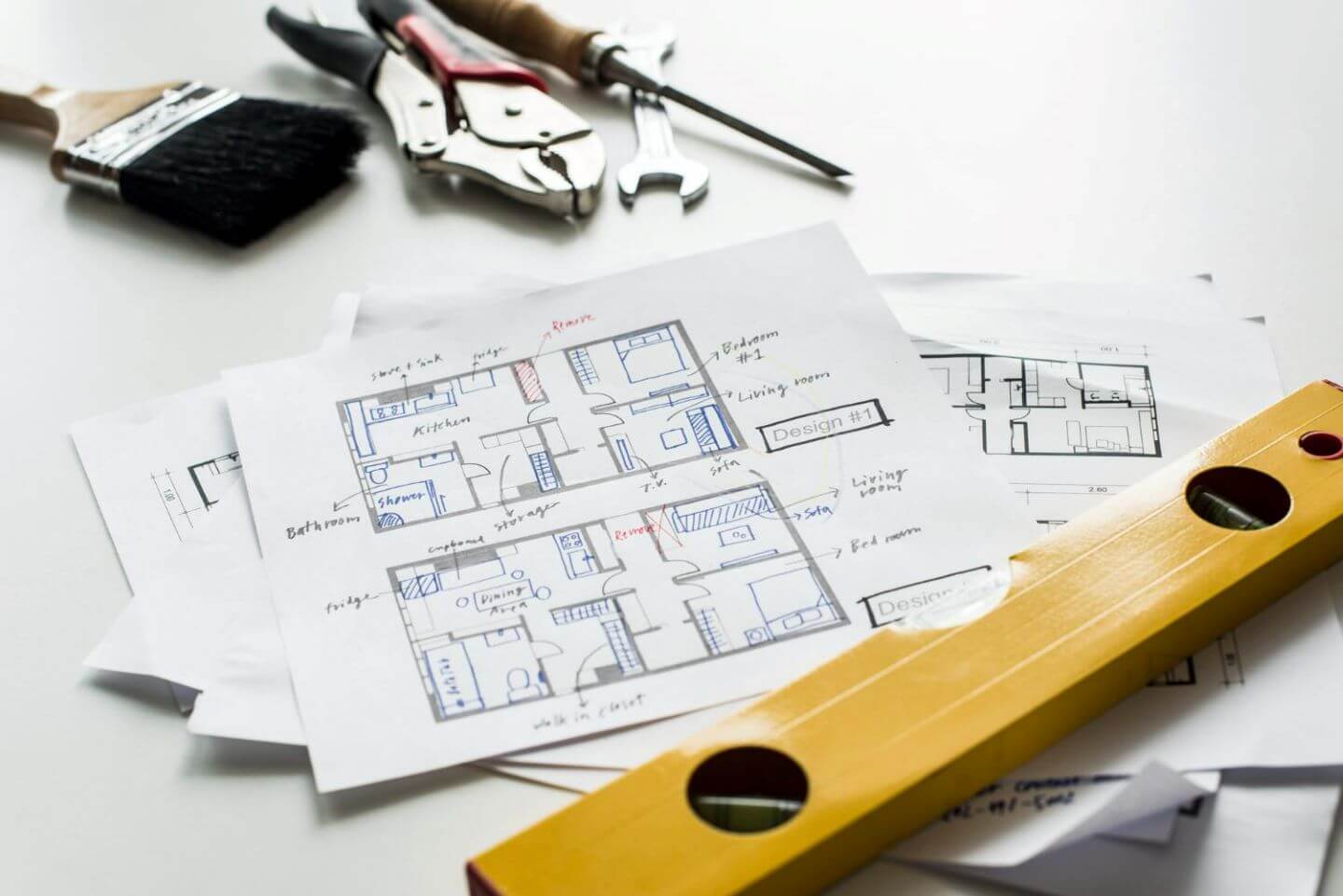
The most common renovation mistakes stem from rushing the process, ignoring condo rules, underestimating costs, hiring the wrong contractor, and designing for a fantasy version of your life rather than your real routine.
One major mistake is starting without a clear plan. If you do not know your priorities, the project timeline can stretch, the budget can expand, and the entire condo can end up feeling mismatched. Another common mistake is forgetting to prepare for unexpected costs. Condo renovations often involve added requirements, building fees, permits, insurance documents, delivery restrictions, and logistical challenges, so proper budget planning is essential.
Another mistake is choosing finishes that are too trendy or too personal, especially if the unit is also an investment property. A dramatic design choice may feel exciting now, but it can limit future rental or resale appeal. It is usually safer to keep permanent finishes classic and use furniture, decor, and styling for personality.
Bad lighting is another common problem. One bright ceiling light is not enough to make a space feel comfortable or functional. Layered lighting creates depth, improves usability, and helps the condo feel more polished. Oversized furniture, dark, bulky cabinets, too many open shelves, and layouts that block movement can also make small spaces feel even smaller.
In other words, a small condo will forgive some things, but clutter and poor planning are not among them.
What Raises Property Value The Most?
The upgrades that often raise property value the most are the ones that improve usability, visual appeal, durability, and maintenance. For condos, this often includes kitchen upgrades, bathroom renovation, modern flooring, better lighting fixtures, energy-efficient appliances, smart storage solutions, and fresh neutral finishes.
Property value is not only about using expensive materials. It is about whether the renovation makes the condo easier to live in and easier to imagine as home. A beautiful unit may get attention, but a functional space with good storage, efficient appliances, and clean finishes is usually more attractive to serious buyers or renters.
If the condo is an investment property, prioritize broad appeal. Choose durable flooring, neutral colors, modern fixtures, energy efficiency, and built-in solutions that maximize usable space. If the condo is mainly for personal enjoyment, you can add more personality, but it is still wise to keep the biggest and most expensive upgrades flexible.
The best renovation decisions usually sit somewhere in the middle. They should be smart enough to support property value and personal enough to make the condo feel like your own.

Image source: https://www.magnific.com/free-photo/cozy-living-room-interior-with-panoramic-window_2448552.htm
Make The Entire Condo Feel Cohesive
A small condo looks bigger and more polished when the entire space feels connected. This does not mean every area has to look identical, but there should be a clear design direction. Flooring, wall colors, lighting fixtures, cabinet hardware, and major furniture pieces should feel like they belong to the same home.
Using the same tile style, consistent metal finishes, and a limited color palette can help create flow. Crown molding can add detail if it suits the unit and ceiling height, but it should be used carefully so it does not make the space feel heavy. In compact condos, small design choices can have a big visual effect.
The entryway should connect naturally to the living area. The dining area should make sense beside the kitchen. The condo bathroom should feel updated, not forgotten. Storage should appear where you actually need it. Lighting should support every activity, from studying to hosting to resting after a long day.
When the entire condo feels cohesive, limited square footage becomes less noticeable. The space feels calm, organized, and intentional, which is exactly what a good renovation should achieve.
Condo Renovation Is Really About Designing For Your Real Life
At its best, condo renovation is not just about prettier interiors. It is about creating a space that keeps up with your real life. It should support early classes, late work nights, family visits, quiet Sundays, side-hustle calls, quick meals, long study sessions, and the moments when you just want to come home to a place that feels easy to live in.
This matters even more in city living, where convenience is one of the biggest advantages. Vista Residences has built its high-rise communities around accessibility, comfort, and urban practicality, with locations near key areas, transport options, business districts, and university communities. For students, young professionals, condo owners, and parents looking at long-term value, a well-planned condo unit can make daily life feel more manageable.
Every square meter counts, but every square meter can also work harder for you. With thoughtful planning, smart storage solutions, better lighting, practical upgrades, and a design that fits your real routine, your condo can feel bigger, brighter, and more personal without losing its purpose.
Because good condo living is not about having endless space. It is about making the space you have feel like it was designed for the life you are building.
.png)