Image source: Freepik
Introduction
In many Filipino households, feng shui (meaning wind, water) quietly shapes decisions about where to build, how to arrange furniture, and when to move in. Rooted in ancient Chinese philosophy and how natural forces influence daily life inside a house. It studies energy, how it enters, how it moves, and how it settles.
In 2026, modern architecture, compact urban living, and evolving interior design preferences require a more grounded application of feng shui principles. This is not about superstition. It is about understanding energy flow, creating balance, and designing a mindful and peaceful home that supports well-being, harmony, and good fortune.
Below are twelve practical adjustments that translate the ancient Chinese practice and traditional wisdom into actionable strategies for contemporary Filipino design spaces.
Keep the Main Door Clear and Bright to Invite Positive Chi
The main door is considered the mouth of the house. It is where energy enters. If the entryway is chaotic or dim, the home begins with blocked potential.
Apply the door clear principle seriously. Remove shoe racks that obstruct the swing of the door. Clear away delivery boxes, unused umbrellas, or decorative items that crowd the entrance. The door should open fully and smoothly. A stiff hinge or cracked surface interrupts positive chi before it reaches the living areas.
Lighting is equally important. Install warm fixtures or table lamps near the main entrance to create more light during evenings. Natural light during the day strengthens vitality. A bright entry invites positive energy and signals readiness for good fortune to enter your life.
Block a Direct Line Between the Front Door and Back Door
Many Filipino homes, especially townhouses, have a straight visual line from the front door to the back door. When this happens, energy rushes in and immediately exits, preventing it from circulating.
If your layout has this condition, introduce subtle barriers. A slim console table, a decorative screen, or vibrant plants placed strategically can slow energy movement. The goal is not obstruction but redirection.
These feng shui home layout tips protect energy flow and prevent financial or personal opportunities from symbolically slipping away. Contained flow creates balance within the space.
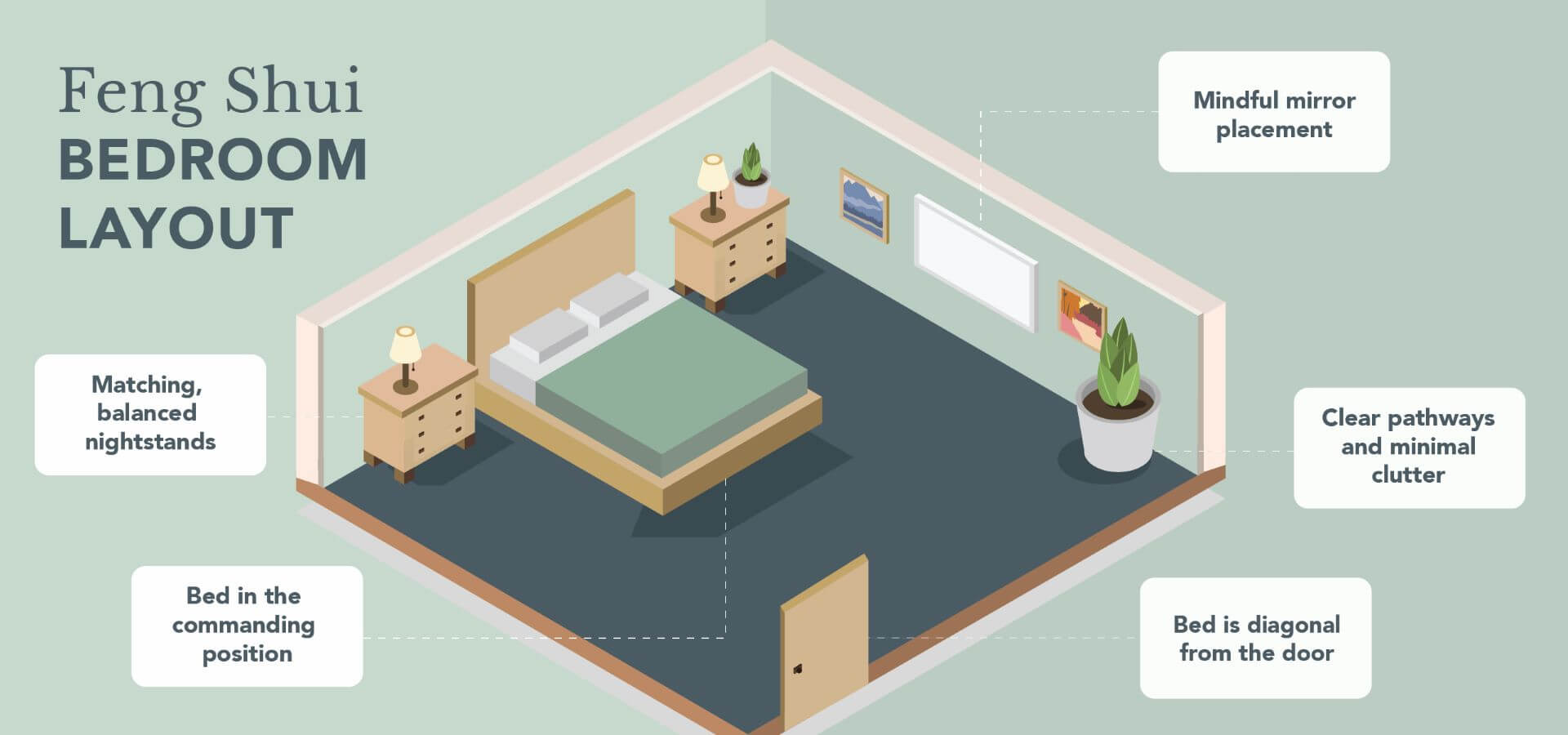
Image source: https://www.naturepedic.com/blog/4-ways-to-feng-shui-your-bedroom
Place Key Furniture in the Command Position
The command position is one of the most essential feng shui tips. It means placing important furniture pieces where you can see the door without being directly aligned with it.
In bedrooms, the bed should face the door diagonally. In home offices, the desk should not sit with your back to the door. In kitchens, the stove should allow awareness of the entrance.
This positioning strengthens chi energy because it reduces subconscious stress. When you can see who enters a room, you feel secure. That sense of control enhances emotional balance and supports clarity in decision-making.
Arrange the Living Room to Encourage Open Space and Flow
The living room reflects family relationships and social harmony. Furniture pushed tightly against walls creates isolation rather than connection.
Instead, form conversational groupings. Leave enough open space so energy can circulate freely without sharp corners disrupting flow. Ensure pathways between seating areas remain unobstructed.
In hillside developments such as The Upstate by Vista Manors in Laguna, panoramic views of greenery offer a natural extension of interior space. Keeping window areas free from heavy drapes allows natural light and fresh air to move inward, enhancing positive energy throughout the house.
Optimize the Dining Room to Support Health and Abundance
The dining room represents nourishment and shared prosperity. Its placement and upkeep directly influence symbolic abundance.
If the dining room sits near a bathroom, always keep the toilet seat down and the bathroom door closed. This prevents negative energy from affecting an area associated with food and vitality.
Mirrors can be beneficial when they reflect the dining table, symbolizing doubled abundance. However, avoid placing mirrors where they reflect clutter or kitchen mess. Clean surfaces and intentional arrangement help attract positive energy and support good fortune.
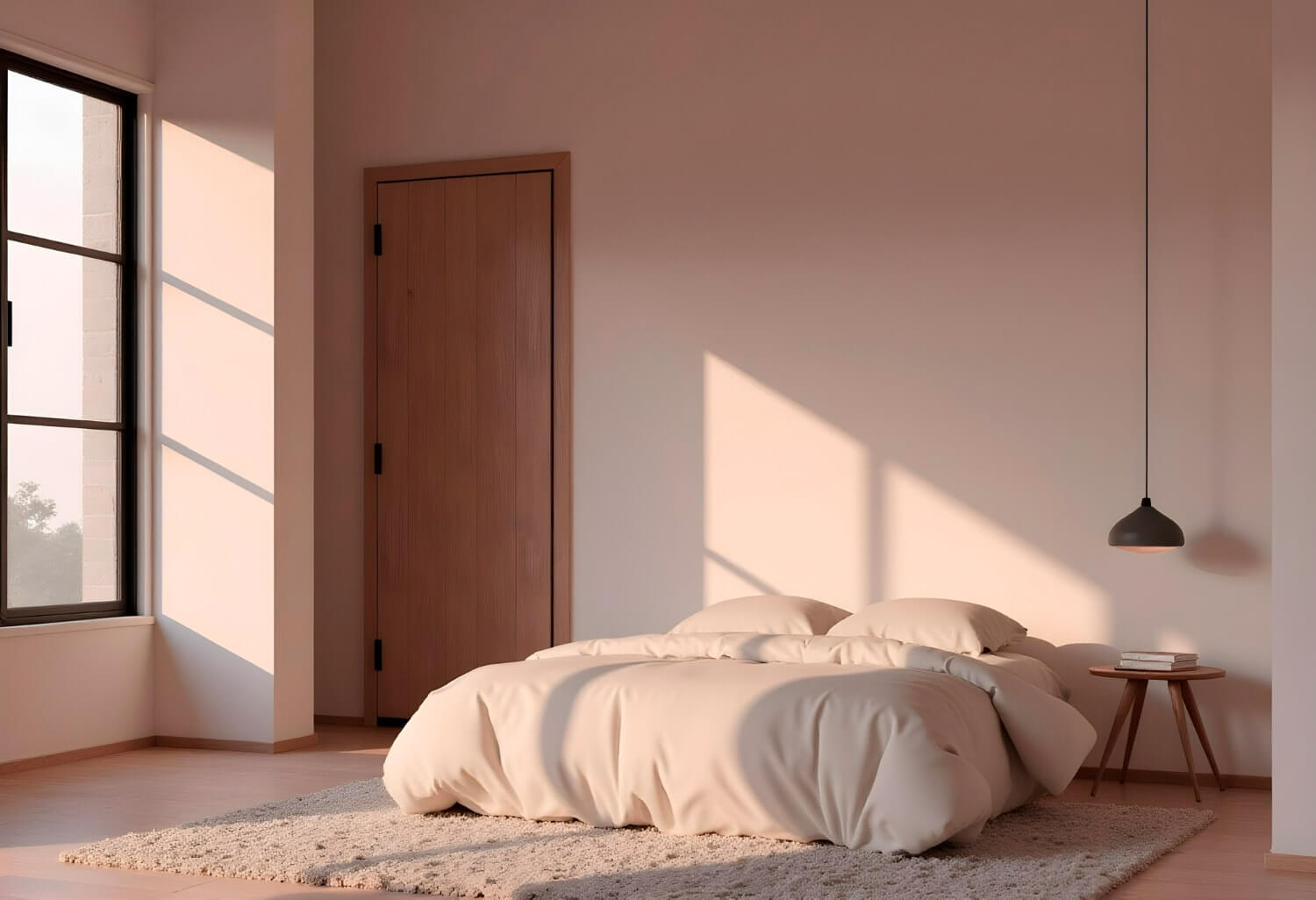
Anchor the Bed Against a Solid Wall for Stability
Make sure that your place of rest has good feng shui. Bedrooms require stability above all else. Position the bed against a solid wall to create a sense of backing. Avoid placing it directly under windows without strong headboards.
Remove mirrors facing the bed. Reflections during sleep disrupt quiet energy and may create restlessness. Exposed beams above the bed should also be avoided, as they symbolically press downward.
When the bedroom feels grounded and calm, it becomes a peaceful home sanctuary that restores vitality and supports well-being.
Remove Workstations and Gym Equipment From Bedrooms
Modern living often forces multitasking into one room. Desks and gym equipment frequently occupy corners of sleeping spaces.
From a home feng shui perspective, this blends active energy with rest. Work and exercise stimulate alertness. Sleep requires stillness. When these signals mix, energy becomes confused.
If relocation is possible, move productivity zones outside the bedroom. If not, create visual separation using partitions or storage units. Protecting the bedroom environment preserves restful sleep and emotional balance.
Increase Natural Light and Fresh Air Daily
Ventilation directly affects energy. Stagnant air corresponds with stagnant chi.
Open windows each morning to allow fresh air to circulate. Install sheer curtains that soften glare while permitting more light to enter. In tropical climates, sunlight helps prevent dampness, which physically and symbolically weighs down a space.
Natural light enhances mood and helps reduce stress. Combined with airflow, it refreshes design spaces and keeps energy dynamic rather than heavy.
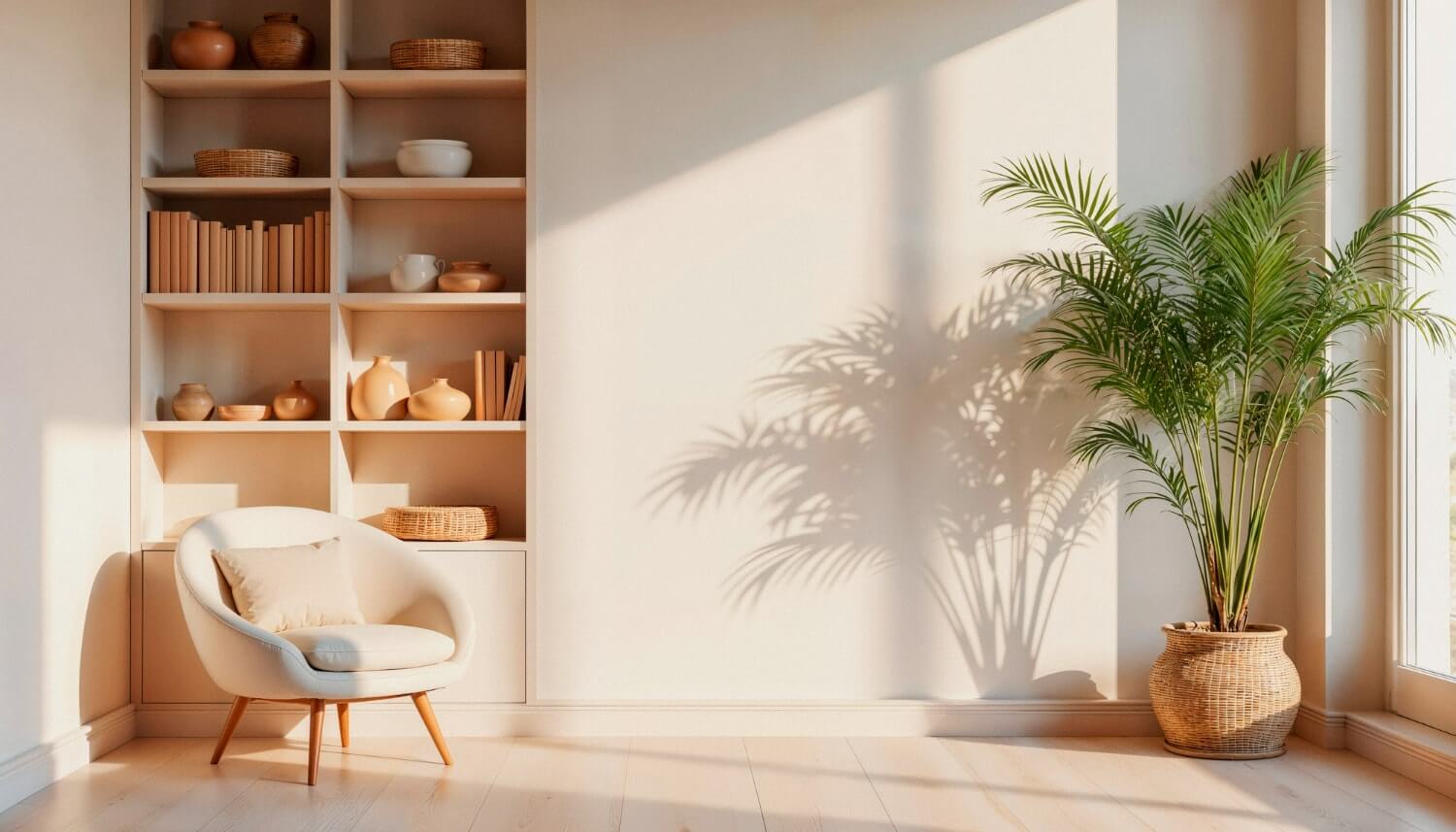
Balance the Five Elements Through Materials and Color
Feng shui is guided by five elements: wood, fire, earth, metal, and water. Achieving energetic balance requires thoughtful integration.
Introduce the wood element through wooden furniture or indoor plants. Use earthy hues in wall paint or tiles to strengthen the earth element. Incorporate metal element accents through lighting fixtures or decor. Add the water element through mirrors or subtle water features. Fire appears in lighting and warm color tones.
Natural elements ground a room. Natural fibers in upholstery and rugs add texture while reinforcing balance. Overemphasis on one element disrupts harmony. Balanced layering creates steady energy flow.
Position Mirrors to Reflect Energy Wisely
Mirrors amplify what they reflect. If placed directly opposite the main door, they push energy back outside. That weakens the home’s ability to retain good energy.
Position mirrors along side walls where they expand light and open space visually. Ensure they reflect something positive, such as greenery or artwork, not clutter.
Mirrors can strengthen chi energy when used carefully. They should enhance balance, not scatter energy.
Practice Clearing Clutter to Remove Stagnant Energy
Clearing clutter is one of the simplest yet most powerful feng shui adjustments. Items that are broken, unused, or emotionally heavy block energy movement.
Schedule seasonal purges of cabinets and storage rooms. Donate unused clothing. Discard items that no longer serve your life. Keep countertops visible and organized.
A clean environment improves mental clarity. When the house feels lighter, decisions feel easier. Flow returns naturally when space is respected.
Consult a Certified Feng Shui Consultant for Major Changes
While this article serves as a beginner's guide to practical adjustments, structural renovations require professional insight.
A certified feng shui consultant can assess orientation, birth elements, and long-term planning before construction begins. This is particularly important when repositioning staircases, redesigning entrances, or selecting a lot for a new house.
Expert guidance ensures that feng shui principles are applied correctly and sustainably. Large-scale changes influence decades of energy, so informed planning supports lasting harmony and good fortune.
Work With an Interior Designer Who Understands Feng Shui Principles
While many feng shui tips can be applied independently, integrating them seamlessly into modern architecture often requires professional coordination. A skilled interior designer can translate feng shui principles into practical layout solutions without compromising aesthetics or functionality.
When feng shui and interior design are aligned from the start, balance becomes easier to sustain. The result is not just a well-styled house, but a cohesive environment where energy circulates naturally and good fortune has room to grow.
Conclusion
Good feng shui is not about rigid rules. It is about awareness of vital energy, flow, and balance inside your house. When energy stagnates, it is common to feel stuck, whether emotionally, financially, or creatively, and your surroundings often reflect that state. Applied thoughtfully, feng shui creates more than aesthetic appeal. It cultivates harmony and aligns your living environment with steady personal growth. A home designed with intention becomes a space where life unfolds with clarity and good fortune.
.png)