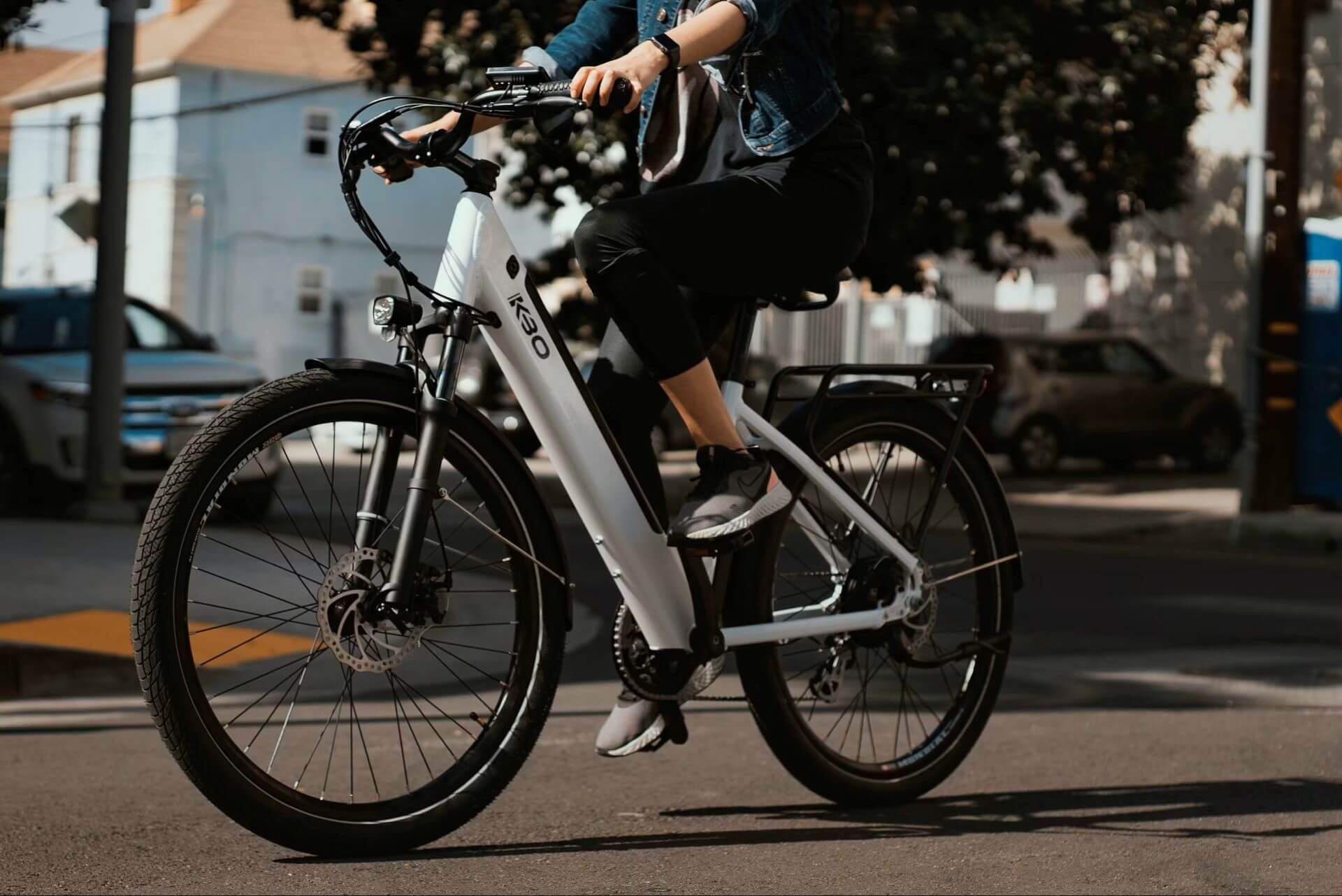
A few years ago, electric bikes were mostly associated with recreational cycling or niche hobby groups. Today, they are becoming increasingly common on city streets across the Philippines. In business districts, university areas, and mixed-use communities, riders now use them for commuting, running errands, and short daily trips that would otherwise require long waits for public transportation.
For many urban residents, this guide to electric bikes begins with practicality. Traffic congestion in Metro Manila and the continuing expansion of Central Luzon have pushed more people to consider alternatives that offer flexibility without the full cost of car ownership. Modern electric bikes now serve a wide range of riders, from students and office workers to families looking for efficient mobility within growing residential districts.
As infrastructure projects improve accessibility and bike lanes continue to expand in selected urban areas, choosing the right electric bike for your lifestyle will put you on the right foot forward.
How do electric bikes work?
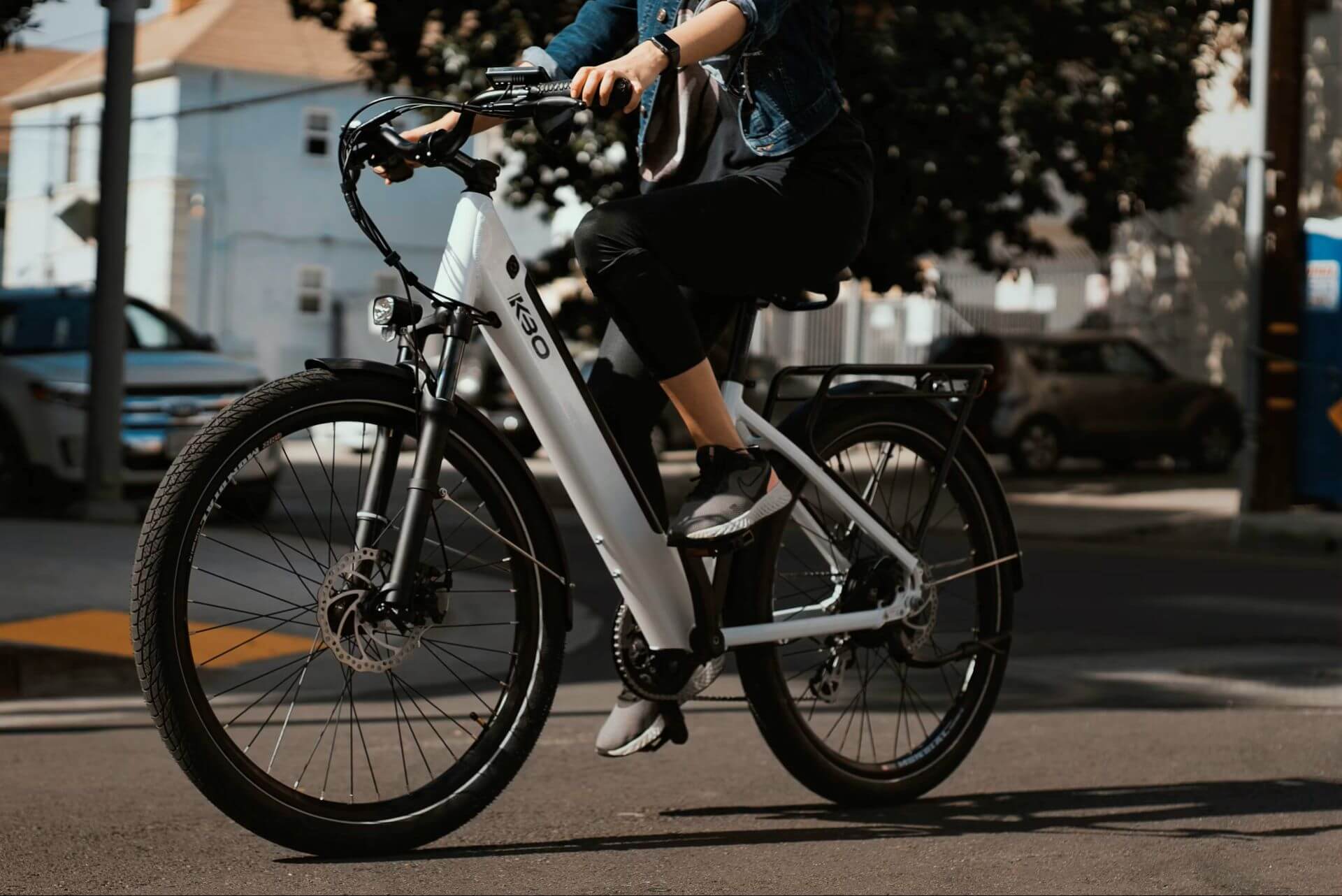
Electric bicycles combine traditional pedal power with an electric motor that assists riders while pedaling. Depending on the motor type and motor settings, riders can choose how much electric assistance they want during a ride.
While there are many types of electric bikes, most electric bikes use pedal assist systems, where the motor activates once the rider starts pedaling. Others may include throttle functions that provide additional acceleration without constant pedaling. The level of motor assist can usually be adjusted depending on terrain, traffic conditions, or battery conservation needs.
Battery power plays a central role in performance. E-bike batteries commonly use lithium-ion batteries because they are lighter, rechargeable, and more efficient for daily commuting. Battery capacity is often measured in watt-hours, which helps determine expected battery range.
Several factors affect battery life, including:
- Rider weight
- Motor power
- Road conditions
- Turbo mode usage
- Weather conditions
- Terrain elevation
- Frequency of stops and starts
For urban riders navigating city streets, a moderate battery range is often enough for daily commuting. However, riders planning weekend rides or longer provincial routes may require larger battery capacity and stronger electric power support.
What's the right e-bike for daily use
Finding the right e-bike depends heavily on where and how it will be used. Some riders prioritize portability, while others focus on comfort, maximum speed, or extra power for uneven terrain.
Commuter e-bikes
Commuter e-bikes are among the most common choices for urban riders. Designed for paved roads and short-distance travel, commuter e-bikes typically feature upright seating positions, integrated lights, and practical accessories such as a bike rack for bags or groceries.
Folding bike
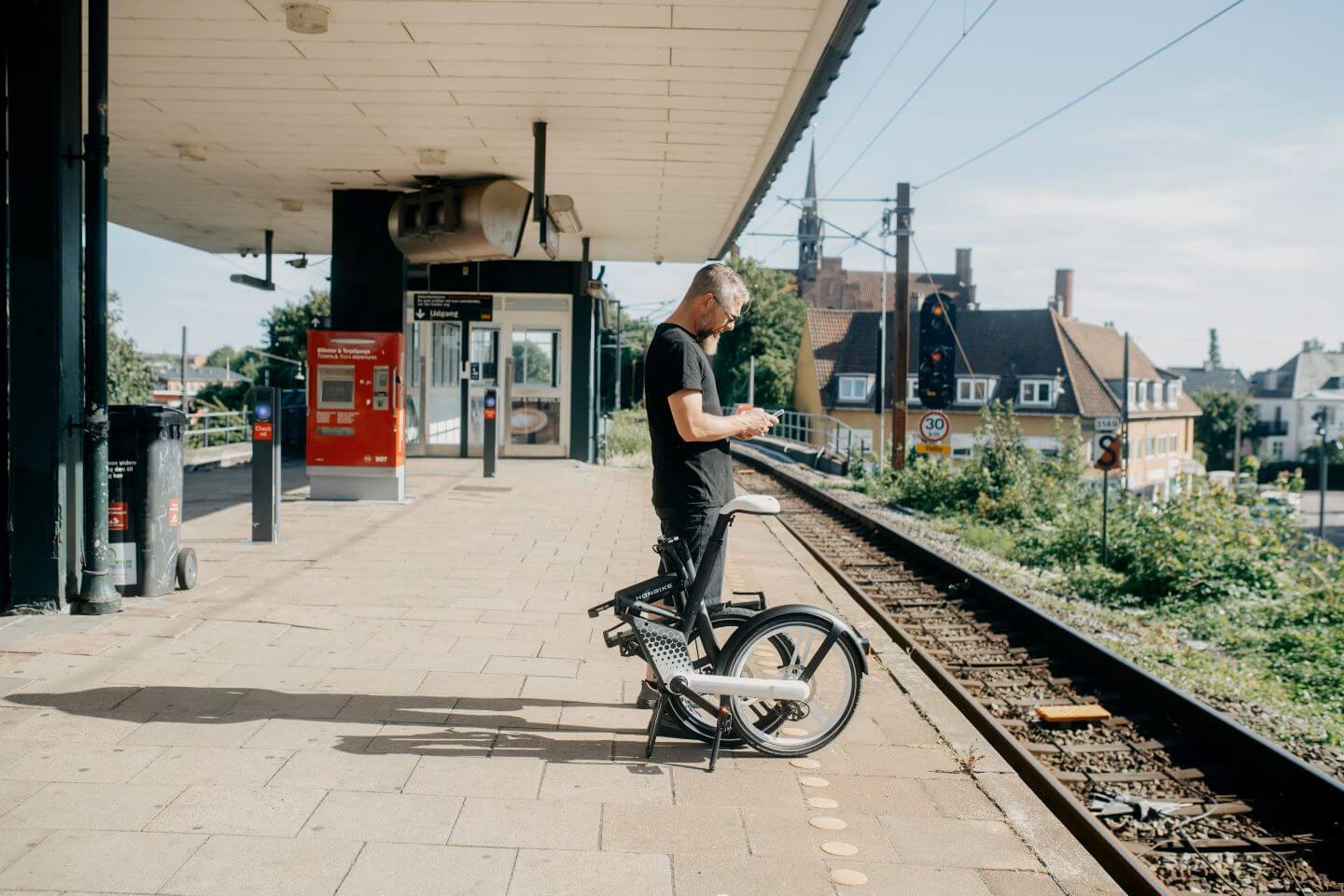
For riders with limited storage space, a folding bike may be more practical. Folding e-bikes are easier to store inside condominium properties, offices, or public transport stations. Their compact size also appeals to riders combining cycling with train or bus commutes.
Hybrid e-bike
Hybrid e-bikes balance comfort and versatility. These electric versions combine features from road bikes and mountain bike designs, allowing riders to handle both smooth roads and rough terrain when necessary.
Electric mountain bikes
Electric mountain bikes are built for stronger off-road riding performance. Many include rear suspension forks, front suspension forks, and wider tires for stability on uneven surfaces. Mountain bikers who regularly ride trails or provincial roads often prefer models with a powerful mid-drive motor for better climbing support.
Electric road bikes
Meanwhile, electric road bikes focus on lighter frames and narrower tires for faster travel on paved roads. These are popular among riders interested in longer leisure riding sessions or fitness-oriented commuting.
Cargo bike
Electronic cargo bike models or e-cargo bikes, are also gaining attention in urban communities. Electronic cargo bikes or cargo e-bikes are designed for transporting groceries, delivery items, or even children. Families and small business owners increasingly use them for running errands within a short distance.
Key features riders should compare before buying
An effective electric bike buying guide goes beyond appearance or bike prices. Riders should carefully compare several technical features before making a purchase.
Motor systems and riding feel
The motor type significantly affects performance. Hub motor systems are located either in the rear wheel or front wheel area and are common among entry-level commuter e-bikes.
A rear hub setup often provides a smoother pushing sensation during acceleration, while mid-drive motor systems deliver more balanced weight distribution and stronger hill-climbing capability. Riders planning frequent uphill routes or carrying heavier loads may benefit from a powerful mid-drive motor.
Torque sensors are another important feature in newer e-bike technology. Unlike simpler cadence systems, torque sensors measure how hard a rider pedals and adjust electric assistance more naturally.
Braking systems and safety
Reliable braking matters, especially in heavy traffic and wet weather conditions. Disc brakes are now standard in many models because they offer stronger stopping power than traditional rim brakes.
Mechanical disc brakes are generally more affordable and easier to maintain. However, hydraulic disc brakes offer smoother braking performance and stronger responsiveness during emergency stops. Hydraulic disc brakes are especially useful for new e-bike riders traveling in dense urban traffic.
Riders should also check brake pads regularly since heavier bikes and motor assist systems may increase brake wear over time.
Battery and charging considerations
Battery life affects both convenience and long-term ownership costs. Riders should evaluate charging time, replacement availability, and total riding range before purchasing.
Some commuter e-bike models prioritize lighter batteries for portability, while larger cargo bike models require greater battery capacity to support heavier loads.
For riders planning daily commutes across dense cities, choosing a battery system that balances efficiency and durability is often more practical than focusing purely on maximum speed.
Why bike-friendly infrastructure matters as much
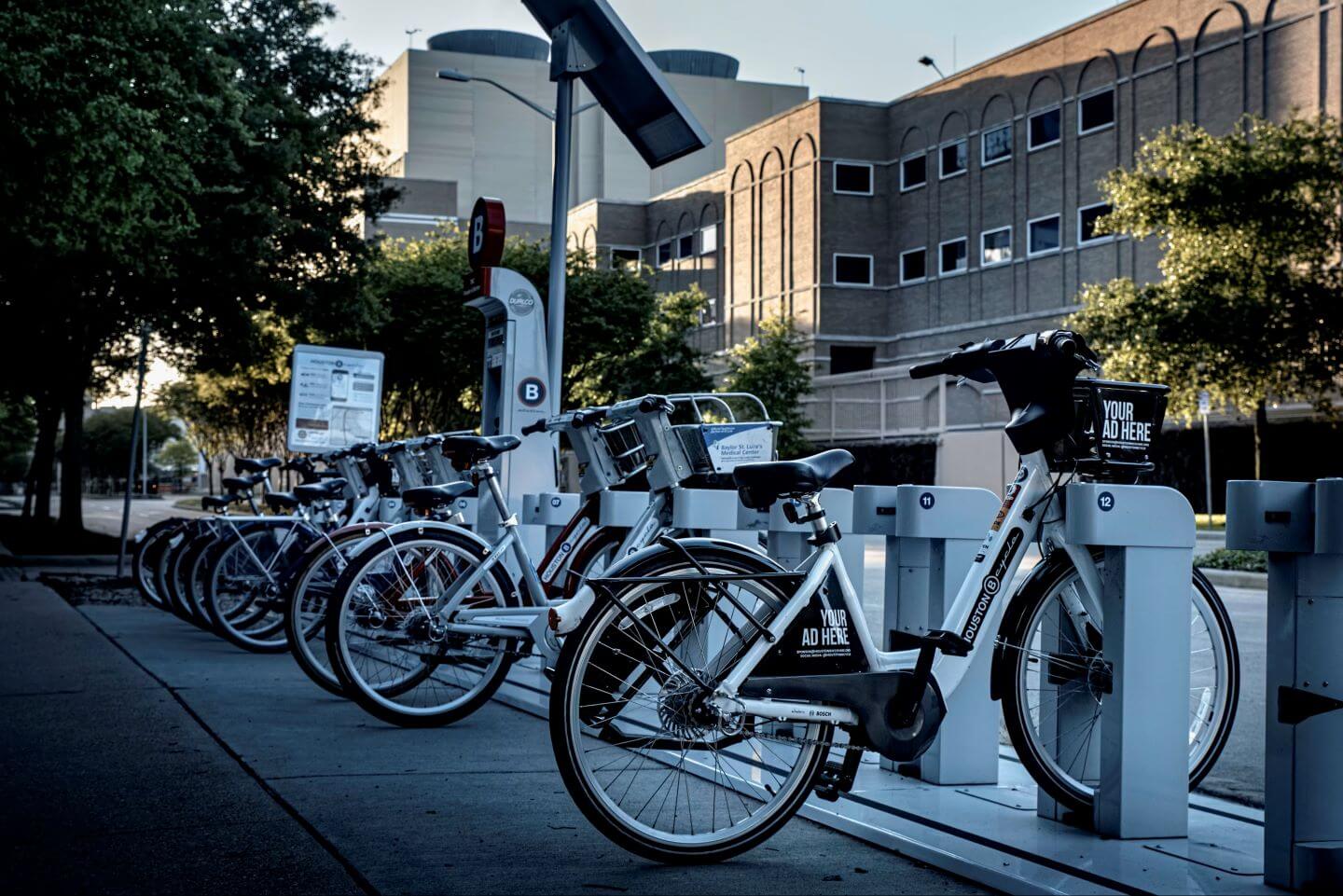
The growing popularity of electric bikes also depends on infrastructure. In cities where bike lanes and protected bike paths are improving, riders often feel more comfortable using e-bikes for daily transportation. In mixed-use communities near transport hubs, residents can travel between offices, educational institutions, retail centers, and residential developments without relying entirely on private cars.
For e-bike riders, this creates shorter and more manageable travel routes. Instead of navigating major highways daily, many commuters now move through smaller access roads and local bike paths connecting commercial and residential districts.
What first-time riders should expect
For many new e-bike riders, the experience initially feels different from using a regular bike. The added motor assist reduces physical strain, especially during uphill climbs or long rides through traffic-heavy routes.
Still, first-time buyers should take time to test ride several models before purchasing. A local bike shop or a trusted bike shop can help riders compare frame sizes, seating comfort, handling, and braking responsiveness.
Riders should also understand basic e-bike classifications before choosing a model. Some prioritize lower-speed commuting, while others support higher motor output for more demanding terrain.
The best electric bikes are not necessarily the most expensive ones. Instead, the right electric bike depends on individual needs, daily distance, terrain conditions, and maintenance expectations.
Several bike brands and bike manufacturers now also service e-bike parts, including replacement components and battery servicing. Reliable after-sales support is especially important because electric bicycles combine both mechanical cycling parts and electronic systems.
For riders planning weekend rides or recreational trips, comfort-oriented features such as suspension forks and ergonomic seating may improve long-term usability. Meanwhile, riders traveling mostly on paved roads may prefer lighter frames and narrower tires for easier maneuverability.
A changing approach to urban mobility
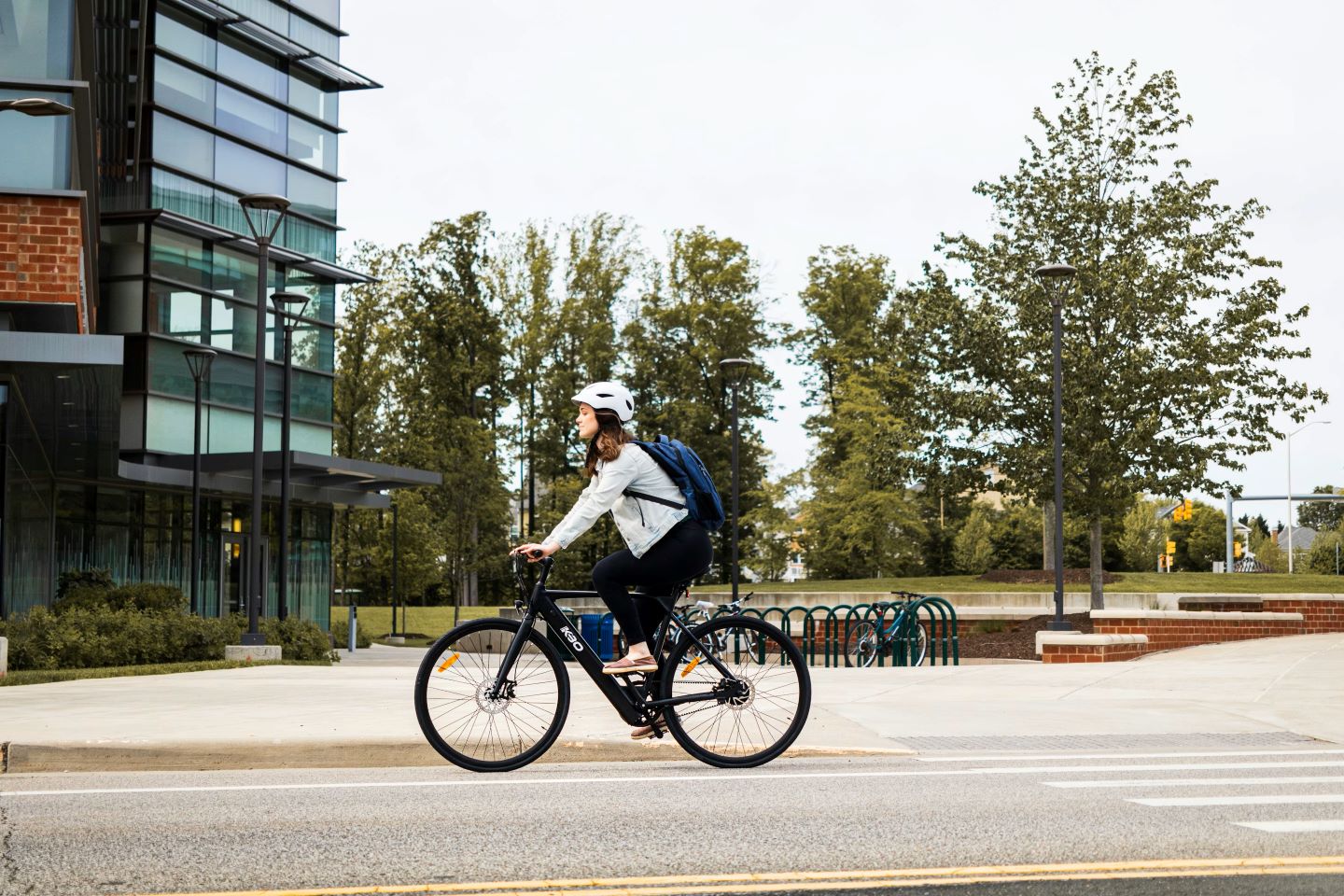
Electric bikes are gradually becoming part of how modern cities function. In dense urban districts, they offer flexibility for short-distance travel while reducing fuel costs and parking concerns. The continued rise of electric bikes also reflects broader lifestyle adjustments among urban residents. Accessibility, proximity, and mobility are becoming more important factors in how people choose homes, workplaces, and communities.
As transportation systems continue to develop, electric bikes are likely to remain closely connected to daily city life. Whether used for commuting, leisure riding, or practical errands, they now occupy a growing place in the conversation around efficient urban mobility.
Explore connected communities and modern residential developments through Vista Residences and discover accessible urban spaces designed for convenience, connectivity, and contemporary city living.
.png)