A home can look affordable on paper and still cost more once the daily commute is factored in. Fuel, parking, vehicle maintenance, tolls, and car payments, for example, can add significantly to household expenses. A study or two found that long travel times take away hours each week that residents could spend with family, at work, or for leisure.
This makes location an important part of the housing decision. Transit-oriented living places residents within convenient reach of public transportation as transit riders, employment centers, schools, businesses, and daily services. By connecting housing and transportation, this approach can help households manage transportation costs, reduce car dependence, and gain easier access to the city.

The real cost of living far from public transportation
The price of a home is only part of the cost of living in a particular neighborhood. A property with lower housing costs or affordable housing, may seem attractive, but a distant location can require longer drives to reach work, school, shops, and essential services.
Transportation costs include more than fuel. Car payments, insurance, maintenance, registration, parking, tolls, and repairs all contribute to household expenditures. Longer distances also increase vehicle miles traveled, raising fuel consumption and maintenance needs.
This connection between housing and transportation explains the importance of transit-oriented development in urban planning. TOD places residential buildings near a strong transit system, often within walking distance of a transit station, bus route, light rail, or train station.
A commonly used planning benchmark places TOD within roughly a half-mile of transit. The principle remains straightforward: when residents can comfortably walk from home to public transportation, they have a more practical alternative to driving for everyday trips. For the early career employees who may still be within the lower income groups, this augments housing and transportation costs.
Research from transportation and urban planning organizations, including the Transportation Research Board, has examined how transit access, land use, housing, and travel behavior interact. Even with a diversity of findings in their researches, they all support an important consideration for households: the cost of a home should sit alongside the cost of reaching the places that matter.
A household may spend less on housing in conventional development but pay considerably more for transportation. For some income groups, particularly those that rely heavily on private vehicles, these recurring expenses can make an apparently affordable neighborhood more expensive over time.
Transit-oriented development can strengthen property values
Convenient transportation can influence demand for residential property. Home intenders and future buyers interest often include access to employment, universities, commercial centers, schools, and public services alongside unit size, amenities, and building quality.
Research on transit-rich locations has found connections between proximity to public transportation and higher residential sale prices. Some studies report that residential properties near transit can command 4% to 24% higher sale prices, while other research has found property value premiums of around 10% to 20% near transit.
Transit-oriented developments can also see property value increases of approximately 5% to 15% in some markets. These figures do not guarantee appreciation for individual properties. Transit quality, neighborhood conditions, accessibility, local demand, and broader real estate trends can all affect property values.
High-quality transit can strengthen this appeal because residents gain more than access to a station. A well-planned transit-adjacent development can connect residents to jobs, businesses, education, and services while reducing the need for lengthy car trips.
The surrounding built environment matters as well. A transit station surrounded by disconnected roads and limited destinations offers less practical value than one connected to walkable streets, residential buildings, commercial areas, and employment centers.
For property buyers, accessibility therefore deserves attention alongside amenities, building quality, location, and potential long-term demand.

Fewer cars can lower household transportation costs
One of the clearest transit-oriented development benefits comes from reducing dependence on private vehicles.
Residents who can take a train or bus for some daily trips may not need to own multiple cars. Research has found that residents in TODs can own 45% fewer vehicles than residents in car-dependent areas. Some studies also place average vehicle ownership among households near transit at around 0.9 cars.
That difference can make a meaningful impact on household budgets.
Owning a vehicle involves more than its purchase price. Financing, fuel, insurance, maintenance, registration, parking, and repairs all contribute to its total cost. Reducing the number of vehicles in a household can free money for other priorities.
Households that rely on public transit can also spend a smaller share of their income on transportation than households that depend heavily on private vehicles, although actual spending varies by location, income, household size, and commuting needs.
This helps explain how transit-oriented living reduces commuting costs. The benefit does not require a completely car-free lifestyle. Instead, proximity to public transport gives residents more choices.
A household might use the train for work, a bus for school, walking for nearby errands, and a private vehicle for trips that require one. That flexibility can help residents reduce unnecessary driving without giving up the convenience of car ownership.
Less driving can reduce energy use and emissions
Transit-oriented development can also affect energy consumption and environmental performance.
Research has associated TODs with 8% to 32% reductions in vehicle miles traveled compared with more conventional development patterns. Residents in transit-oriented neighborhoods can travel fewer miles by car because they have greater access to public transportation and nearby destinations.
Some research places driving reductions among TOD residents at around 45% compared with residents in sprawling, car-dependent areas. Other studies have found that TOD residents make approximately 44% fewer vehicle trips than predicted based on conventional development patterns.
Compact housing can contribute to lower energy consumption as well. Compact multi-family developments can use approximately 20% less energy than single-family homes, although actual performance depends on building design, unit size, appliances, climate, and household behavior.
TODs can also use land more efficiently. Research has estimated that transit-oriented development consumes about 45% less land than sprawl. Concentrating homes near transportation and services can reduce the need for extensive roads and spread-out development.
These characteristics can contribute to lower greenhouse gas emissions. Some estimates associate TOD with reductions of up to 36%, although results vary according to transit quality, building efficiency, travel patterns, and local conditions.
For residents, the practical benefit comes back to everyday life: fewer car trips can mean lower fuel consumption, reduced energy consumption, and less exposure to traffic congestion.

What makes a development truly transit-oriented?
Simply placing a home near a bus stop or train station does not automatically create a transit-oriented community. Effective transit-oriented development combines transportation with housing, services, employment, and walkable urban design.
Density plays an important role. TOD planning frameworks often call for at least six residential units per acre, creating enough population density to support public transportation and nearby businesses. However, density alone cannot create a successful TOD.
Mixed-use development can make a significant difference by placing shops, restaurants, offices, schools, and other daily needs closer to residents. When people can walk to several destinations, they can reduce unnecessary vehicle trips.
Walking distance also matters. Residents benefit most when they can reach transit without first driving to a distant station. Connected streets, pedestrian-friendly routes, and accessible services can make public transit practical for everyday travel.
A successful transit-oriented neighborhood therefore connects homes, public transport, employment centers, businesses, schools, and essential services. These connections can reduce trip generation, support fewer cars on the road, and give residents greater access to the wider city.
This model can also support affordable communities when housing, transportation, and daily needs remain within practical reach. The goal is not simply to build near a train station but to create neighborhoods where residents can reach more destinations with less dependence on private vehicles.
A location that works harder for the household
The hidden cost of a long commute can accumulate gradually. Extra fuel purchases, parking fees, maintenance, tolls, and vehicle ownership can add substantially to monthly expenses. Hours spent in traffic carry another cost that never appears on a bank statement.
Transit-oriented living offers another way to evaluate a home. Instead of looking only at the purchase price or monthly housing expense, buyers can consider how much they will spend and how long they will travel to reach the places that matter.
A transit-adjacent development can provide access to public transportation while keeping residents connected to employment, education, businesses, and services. Fewer car trips can help reduce transportation costs, while compact development can support more efficient land use and energy consumption.
For households weighing housing and transportation costs, accessibility deserves the same attention as floor area, amenities, building quality, and neighborhood character. A well-connected address can give residents greater control over how they move through the city.
Choose a home connected to the city
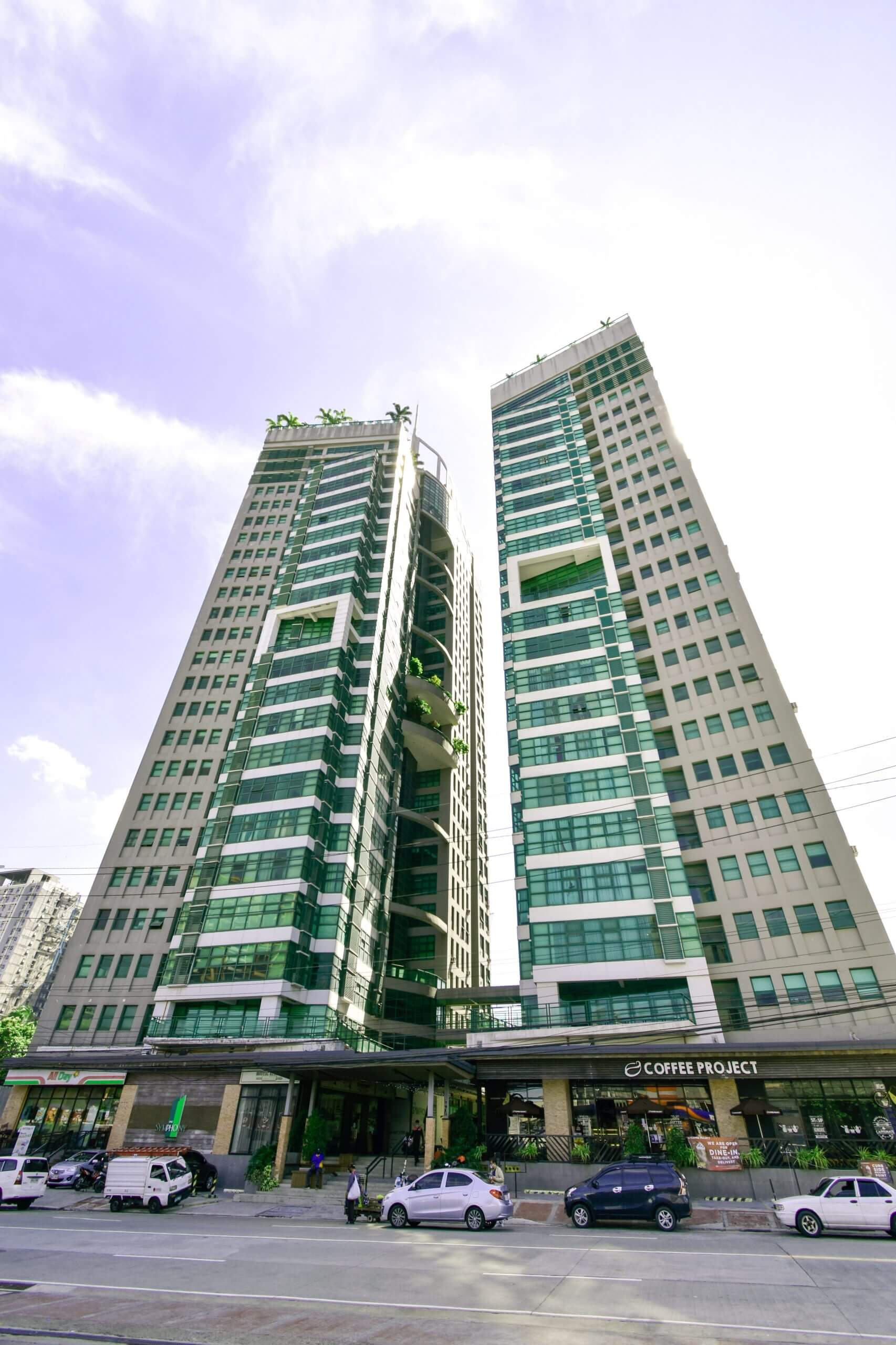
A home should work for more than the hours spent inside it. Its location can influence commute times, transportation costs, vehicle ownership, household expenditures, and access to everyday needs. Vista Residences offers strategically located residential developments for urban lifestyles, helping residents stay connected to key destinations while keeping comfort and convenience within reach.
.png)