Image source: Magnific
Introduction
The modern world faces an escalating crisis driven by the compounding volume of plastic waste generated by our daily habits. Mismanaged plastic packaging choices frequently pollute the planet, finding their way into local parks, municipal waterways, rivers, streams, and coastal ecosystems. Because conventional materials are highly dependent on fossil fuels, their production and subsequent disposal drive significant environmental damage that harms the delicate balance of the natural world.
Transitioning away from this systemic crisis requires consumers to consciously change how they interact with day-to-day items, building a cleaner environment by choosing to drastically reduce single-use options within their households. Complying with a plastic-free lifestyle requires a conscious evaluation of our total plastic consumption.
Initiate a Rewarding Plastic-Free Journey
Committing to this long-term environmental shift is a deeply personal evolution that often mirrors successful global precedents. For instance, pioneering advocate Lindsay Miles began her plastic-free journey with Plastic Free July, discovering that incremental shifts yield massive cumulative impacts. Similarly, notable zero-waste authority Erin Rhoads has lived plastic-free since July 2013, proving that complete reliance on sustainable options is entirely possible within modern society. Today, the plastic-free community spans across cultures and ages globally, demonstrating that the collective desire to protect our shared ecosystems transcends geographic boundaries.
Restructure Food Consumption Habits Inspired by Green Advocates Like Beth Terry
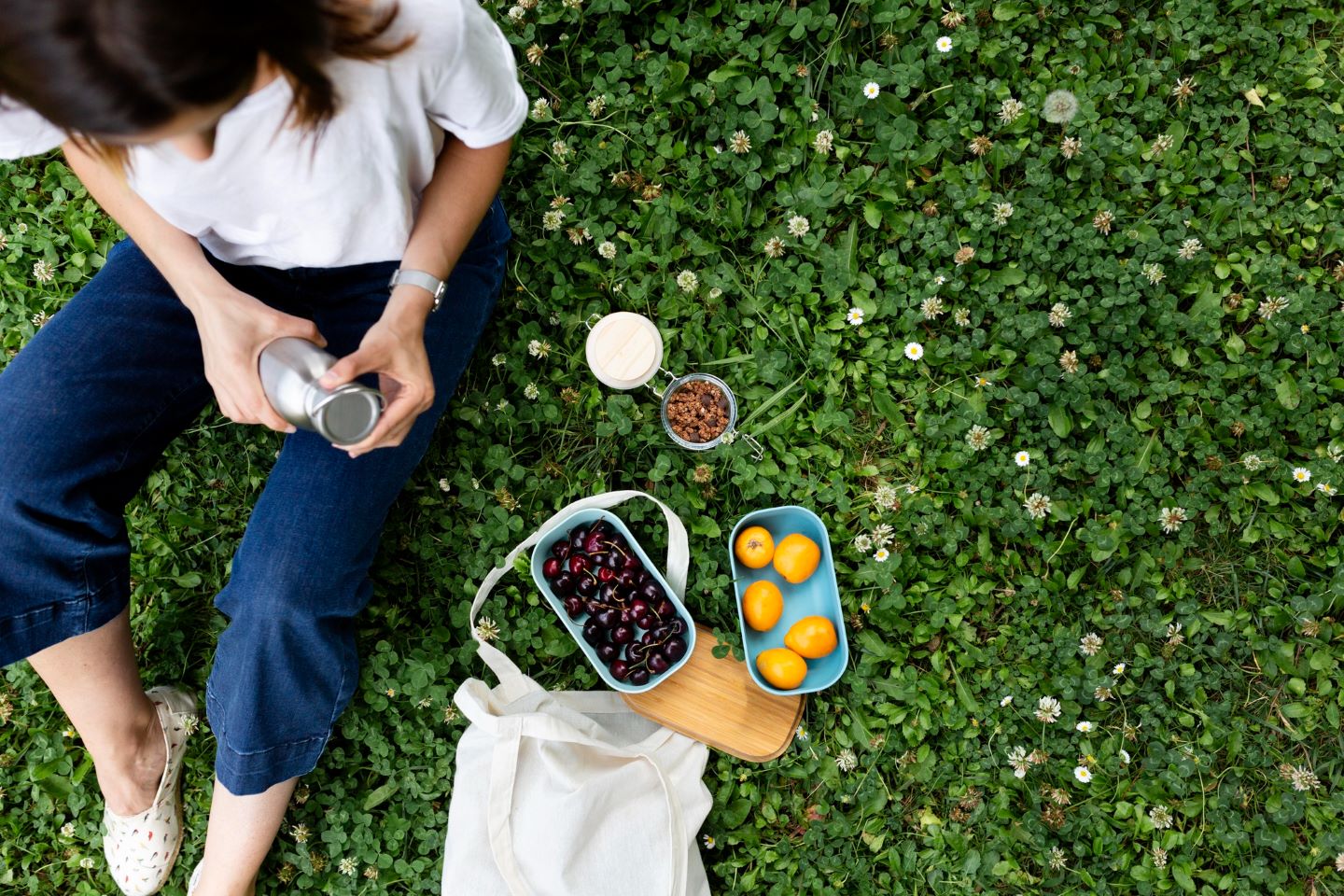
Rethinking our overall food consumption frameworks provides an excellent foundation to systematically eliminate disposable materials from the home. Individuals can initiate their plastic-free journey by looking up to pioneering green advocates like Beth Terry, who famously committed to stop buying new plastic products as early as June 2007.
A highly practical way to start this structural adjustment is to find plastic-free alternatives at your local farmer's market, learn to prioritize your own food preparations, and join global initiatives such as Plastic Free July, an international environmental movement that challenges participants to live a conscious, zero-waste lifestyle. Urban dwellers can substitute conventional plastic wrap with organic beeswax wraps to safely store leftovers, ensuring that standard domestic meal preparation no longer leaves behind a trail of synthetic garbage.
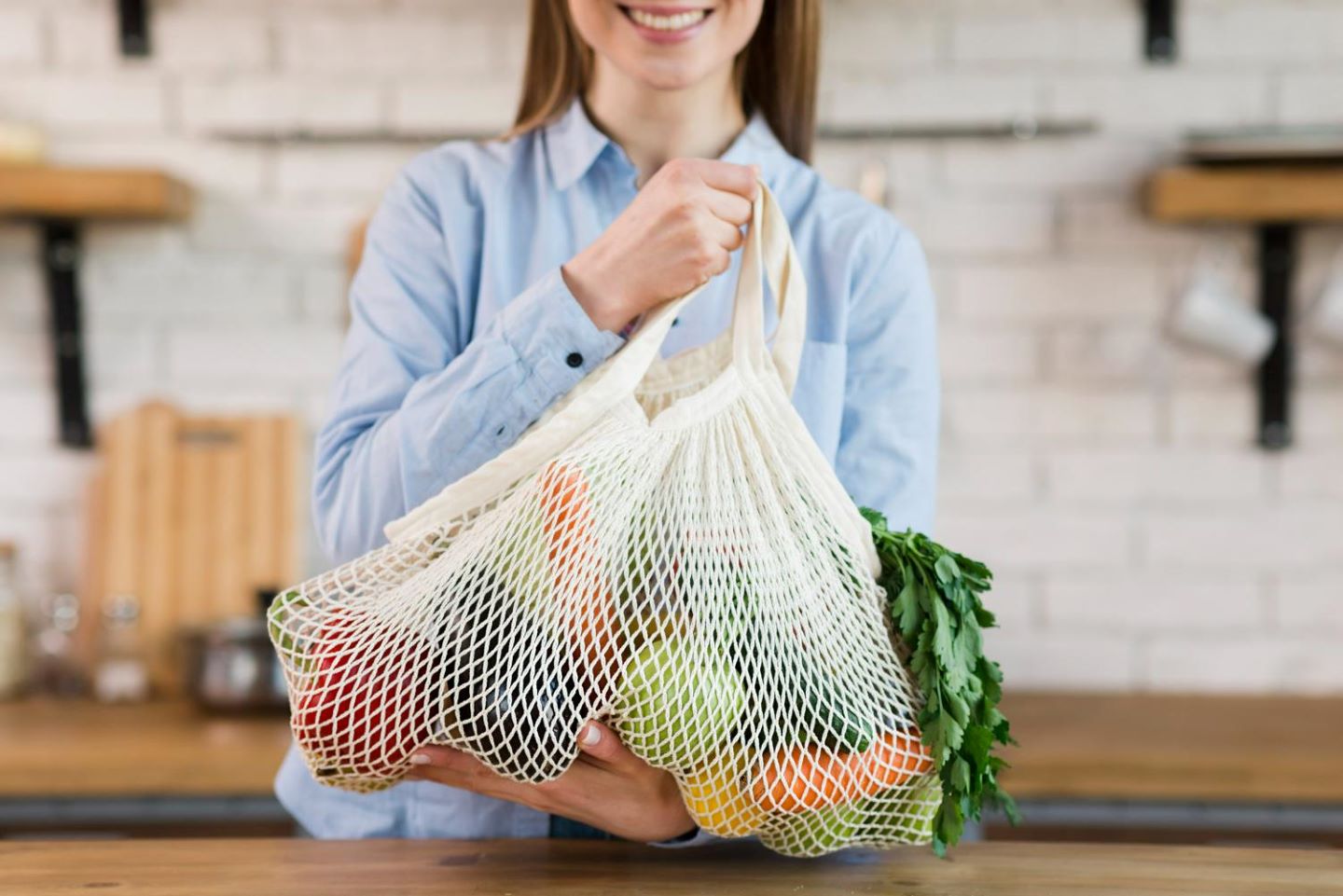
Image source: https://www.magnific.com/free-photo/positive-young-woman-holding-reusable-bag-with-vegetables_7026578.htm
Transition to Reusable Shopping Bags for Daily Market Trips
A very straightforward yet highly successful behavioral adjustment to master a plastic bag-free lifestyle is changing the way we transport items from the market. Relying on reusable shopping bags for regular market trips drastically lowers the number of disposable plastic bags that crowd municipal landfills. Environmental research indicates that plastic shopping bags take up a significant volume in waste facilities and can endure for up to 1,000 years before they fully degrade, continuously leaching synthetic residue. By maintaining a durable collection of fabric shopping bags inside your home or vehicle, you prevent the accumulation of flimsy items that frequently choke storm systems and compromise local water quality during monsoon periods.
The necessity of carrying reusable bags becomes indisputable when observing environmental damage firsthand; empirical records from coastal cleanups show that over 1.9 million grocery bags are collected annually. Furthermore, data proves that localized plastic bag-free initiatives can reduce litter in parks and coastal areas by at least one-third. Over time, abandoned plastic bags break down into microplastics that contaminate the food chain, threatening human health. Therefore, committing to reducing plastic bag use also helps prevent animal choking and reduces ingestion risks for wildlife, preserving delicate biological networks.
Use Refillable Containers and Bring Your Own Reusable Containers to Bulk Refill Hubs
Modern grocery stores are often filled with an excess of plastic use, utilizing conventional packaging options that are actually mixed with unnecessary cardboard layers and interior plastic sleeves. To bypass this, shoppers should make it a habit to bring their own reusable container when selecting wet or dry provisions with unnecessary cardboard layers and interior plastic sleeves. Homeowners can counter this packaging waste by bringing their own containers, glass jars, and own jars of various sizes to dedicated zero waste bulk food dispensaries. Selecting dry staples, whole grains, and loose pantry merchandise directly through refillable containers ensures you only buy the exact volume needed, which naturally decreases domestic food waste. Keeping standard glass containers in your domestic prep zone makes it easy to decant bulk purchases seamlessly, converting your personal kitchen inventory into a visually organized, plastic-free environment.
Source Fresh Bread from Local Bakeries to Minimize Commercial Film Overwraps
Purchasing pre-sliced bread from mainstream commercial establishments almost always means taking home multi-layer plastic packaging that cannot be easily processed by local recycling networks. To avoid this contribution to plastic pollution, consumers are encouraged to buy fresh bread directly from community bakeries and independent neighborhood artisans. Presenting your own cloth bag or simple paper sack when purchasing fresh bread ensures that these daily breakfast items are stored cleanly without expanding your domestic carbon footprint. This localized habit supports the growth of neighborhood enterprises while systematically eliminating film wraps that are discarded immediately after a meal.
Substitute Plastic Bottles with Reusable Water Bottles
Relying on commercial bottled water introduces a substantial amount of high-density plastic into the waste stream every single day. Modern urban residents can cultivate healthy, sustainable habits by replacing throwaway items with high-quality, insulated water bottles. Swapping small plastic bottles for a long-lasting personal flask is a great way to save money over an extended period while protecting your active physical health. Furthermore, moving away from single-use beverage containers minimizes daily human exposure to synthetic chemical additives like BPA, which have been linked by global health organizations to various medical vulnerabilities.
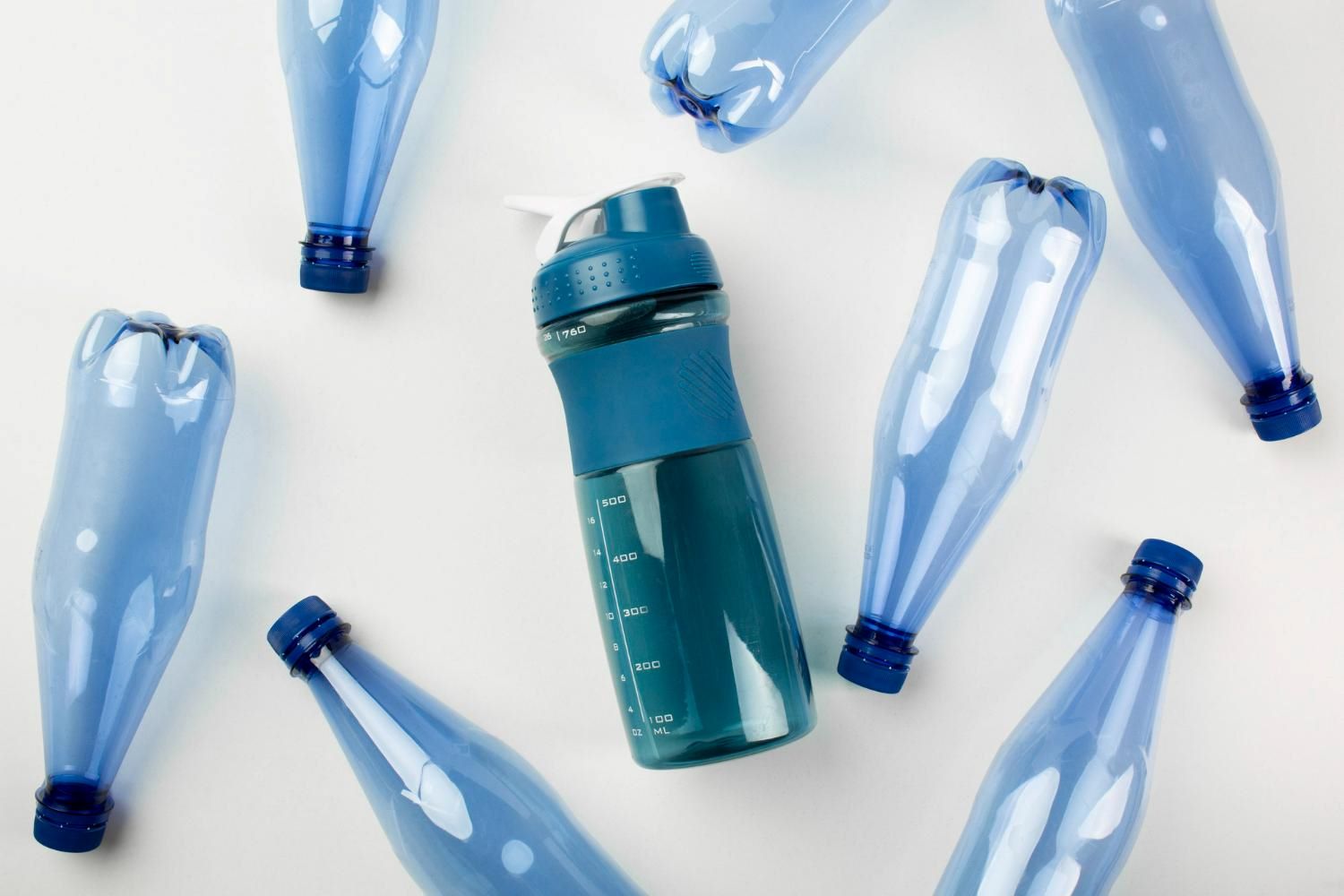
Image source: https://www.magnific.com/free-photo/close-up-sustainable-bottle-alternatives_20082328.htm
Carry Reusable Coffee Cups to Urban Cafes and Modern Workspaces
The fast-paced corporate lifestyle frequently encourages the consumption of takeaway hot drinks, which are served in paper cups lined with synthetic liquid-resistant films. Modern professionals can easily counter this specific form of waste by keeping reusable coffee cups at their office desks or inside their bags. Presenting insulated reusable coffee cups at premium community espresso bars, such as those situated near the verdant expanses of Vista Residences' Northpoint Davao, eliminates the need for plastic lids and poly-lined paper containers. This small shift allows residents to enjoy premium local coffee blends while seamlessly aligning their daily luxury lifestyle with global environmental conservation standards.
Reject Plastic Straws and Single-Use Plastics While Dining Out
Establishing control over your immediate out-of-home environment requires an intentional decision to refuse single-use plastics during casual restaurant visits or quick lunch runs. Diners can construct a compact, travel-friendly dining kit featuring a durable reusable straw, wooden chopsticks, and bamboo utensils to eliminate the need for plastic cutlery and disposable utensils. Explicitly instructing service staff to omit plastic straws and clear plastic wrap from your order safeguards your dining table from unnecessary synthetic waste. Espousing plastic reduction in everyday living includes foregoing of disposable cutlery or plastic utensils and the use of shampoo bars in lieu of those contained in plastic ones.
Swap Liquid Hand Soaps for Naked Eco-Friendly Bar Soap Options
Standard domestic liquid cleansers arrive in heavy plastic bottles equipped with non-recyclable mechanical pump components that rapidly compound household garbage. An incredibly easy and elegant way to pursue a plastic-free living format is to switch entirely to naked, minimal-packaging bar soap alternatives. Selecting traditional bar soap for your bathroom vanities and kitchen sinks avoids the unnecessary manufacturing resources associated with mass-produced gel dispensers. Modern solid body bars are frequently formulated with natural essential oils and organic botanicals that enhance human vitality and well-being while maintaining absolute domestic sanitation.
Reconsider Monthly Household Care Routines
Standard personal hygiene products contribute a silent but massive volume of synthetic materials to global coastal cleanups and waste yards over a lifetime. Transitioning toward specialized menstrual cups, reusable cotton pads, and bamboo toothbrushes helps contemporary households manage their intimate care routines with minimal environmental impact. Choosing medical-grade silicone menstrual cups eliminates the recurring packaging waste associated with conventional single-use products. These modern, long-lasting wellness alternatives respect the body’s natural chemistry while ensuring that routine personal care choices do not compromise the cleanliness of our oceans and land resources.
Adopt Sustainable Laundry Detergent Alternatives and Greener Cleaning Products
Standard household maintenance often involves purchasing chemical mixtures packed inside massive, rigid plastic containers that occupy a significant volume in under-sink storage areas. Homeowners can modernize their sanitation workflows by selecting concentrated laundry detergent sheets that arrive in compostable paper covers, or by using loose powders bought in bulk boxes. Furthermore, mixing simple baking soda with white vinegar inside permanent glass spray bottles yields a highly effective, non-toxic household purifier. Transitioning away from harsh synthetic cleaning products protects your living space from toxic vapor accumulation while completely removing high-turnover liquid soap packaging from your monthly grocery list. Also, when you buy clothing, make finding brands that advocate plastic free alternatives a habit.
Conclusion
Embracing a lifestyle entirely free from single-use plastic elements is one of the most proactive and financially rewarding commitments a modern family can pursue. Developing these new habits yields an instantaneous, measurable carbon footprint reduction while directly shielding local marine life and delicate coastal ecosystems from long-term synthetic contamination. Every individual decision to reject disposable wrapping options, avoid convenience packaging, and maintain robust alternative materials helps build a healthier world. Consistently applying these simple, intentional strategies ensures that contemporary communities protect the environment, securing a clean, vibrant, and resilient planet for all future generations.
.png)