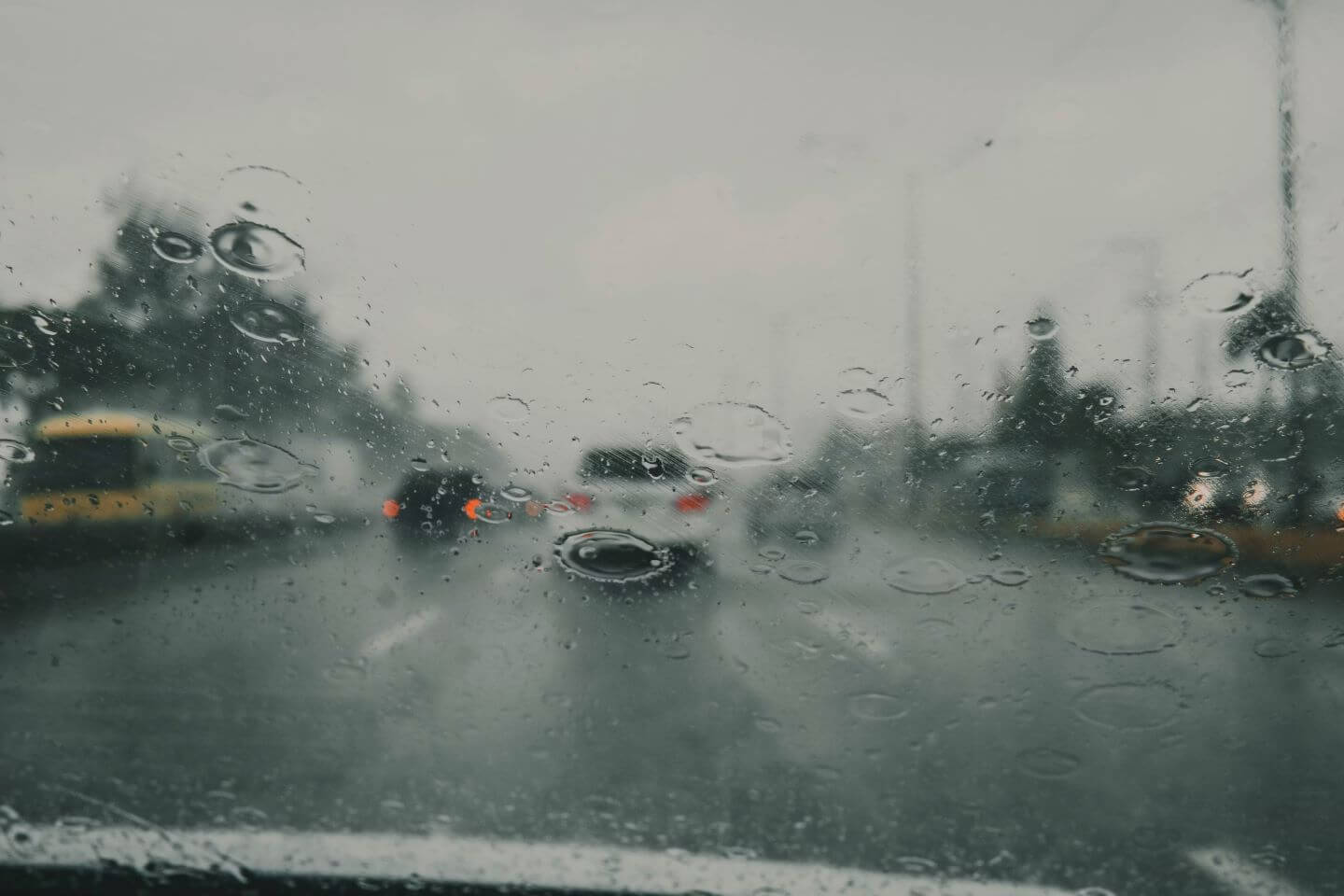
The best rainy-season commuting tips in Metro Manila start long before leaving home. Planning for the rainy days and the health risks the season poses begins right after the carefree summer break. Every year, the rainy season makes heavy rain, heavy traffic, and unpredictable delays a normal occurrence. A commute that usually takes less than an hour can suddenly stretch into several hours, while flooded streets, changing weather, and unreliable public transport create new challenges and take a toll on workers, students, and families.
For many people across Metro Manila, preparing for the journey has become just as important as preparing for the workday itself. Whether they are employees coming from the office or students commuting home from school, knowing what gear and gadgets to pack, where to travel, where to seek temporary shelter, especially at night, and how to protect their health helps reduce the daily hassle of commuting in rainy weather.
Why heavy rain changes the entire commute
Heavy rainfall affects nearly every part of the transportation network. Being aware about what to expect on the roads makes it easier to prepare before leaving.
Expect longer travel times
On a normal day, traveling 10 kilometers in Metro Manila can take over an hour. Once heavy rain begins, commute times can double or even triple. Many commuters lose one to two additional hours simply because vehicles move slow, intersections become congested, and traffic builds across the metro.
Flooding reduces road capacity
Conditions become even worse when flooded streets appear. Flood depths exceeding 25 centimeters reduce vehicle flow by 40 to 70 percent while forcing lane closures. Entire streets may become impassable, leaving cars and buses searching for alternate passages. As more vehicles funnel into fewer roads, rush hour traffic quickly intensifies.
Poor visibility creates additional delays
Beyond congestion, inclement weather brings poor visibility, making driving more difficult for motorists. To stay safe, lower speeds help reduce accidents, but they also lengthen travel times throughout Metro Manila and neighboring cities.
Leave home with a flexible travel plan
Preparation often saves more precious time than trying to recover lost minutes after getting caught in traffic.
Start your commute earlier
Leaving earlier remains one of the most effective tips during the rainy season. Since heavy rain frequently adds one to two hours to commute times, giving yourself extra time reduces unnecessary stress.
Monitor traffic and flooded roads
Checking live traffic reports, rainfall forecasts, and flood advisories before departure helps commuters identify alternate routes and avoid flooded areas before they become inaccessible. Real-time updates also make it easier to adjust plans if weather conditions suddenly worsen.
Keep extra cash available
Transport demand often increases during severe storms, and some operators adjust routes or fares. Carrying extra cash prevents delays when digital payment options are unavailable. Just make sure that the cash on hand does not pose security risks especially when commuting.
Pack for sudden downpours
Planning your route is only part of the preparation. Carrying the right essentials can help protect your belongings, keep you comfortable, and reduce disruptions when rain catches you mid-commute.
Carry dependable rain protection
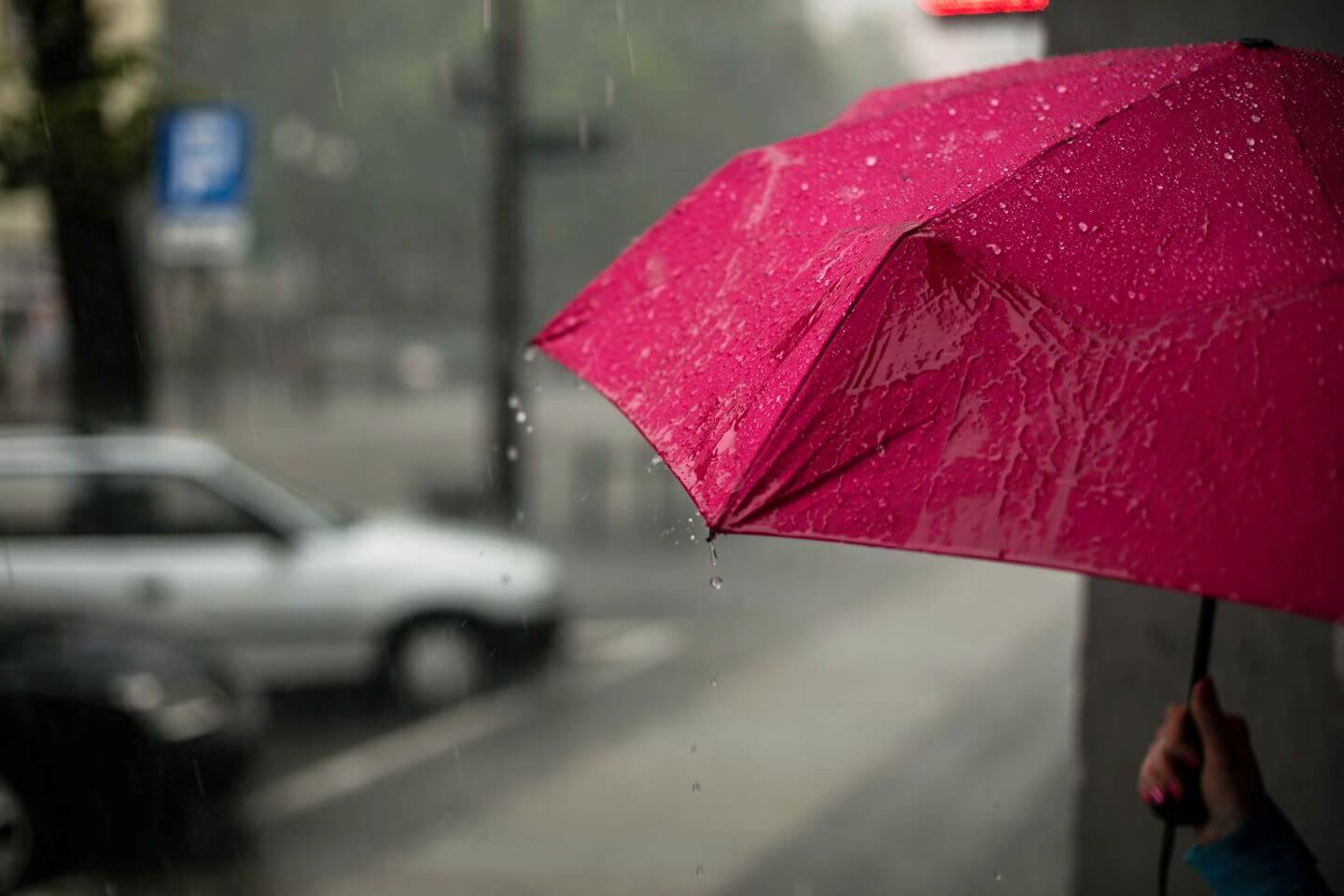
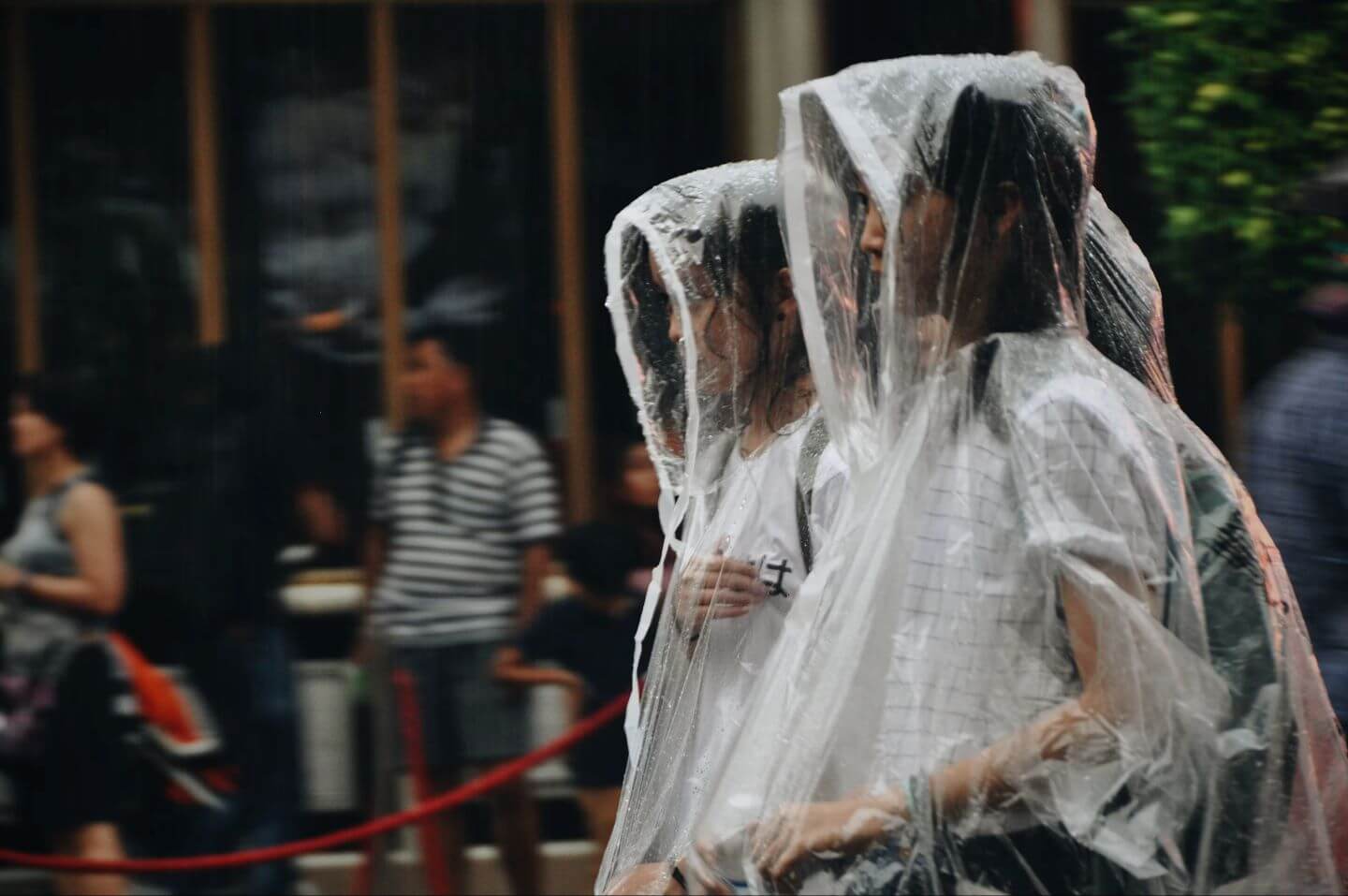
A sturdy umbrella remains one of the most important commuting essentials. Choosing one that withstands strong winds reduces the chance of damage during sudden downpours. Pairing an umbrella with a raincoat or poncho provides additional protection when rainfall intensifies.
Waterproof your valuables
Heavy-duty ziplock bags or waterproof pouches keep electronics, chargers, and documents covered from water damage. Even simple plastic bags help prevent important papers from getting wet.
Bring a change of clothes
Packing extra clothes—particularly fresh socks and a shirt—allows commuters to change after becoming drenched. Quick-dry fabrics reduce discomfort and minimize excessive sweat after spending long periods waiting for transportation.
Wear practical footwear
Waterproof shoes, quick-drying sandals, or waterproof clogs make walking through puddles more comfortable while helping keep your feet dry throughout the day.
Choose transportation wisely
Different transport options perform differently once heavy rain begins.
Make use of elevated rail systems
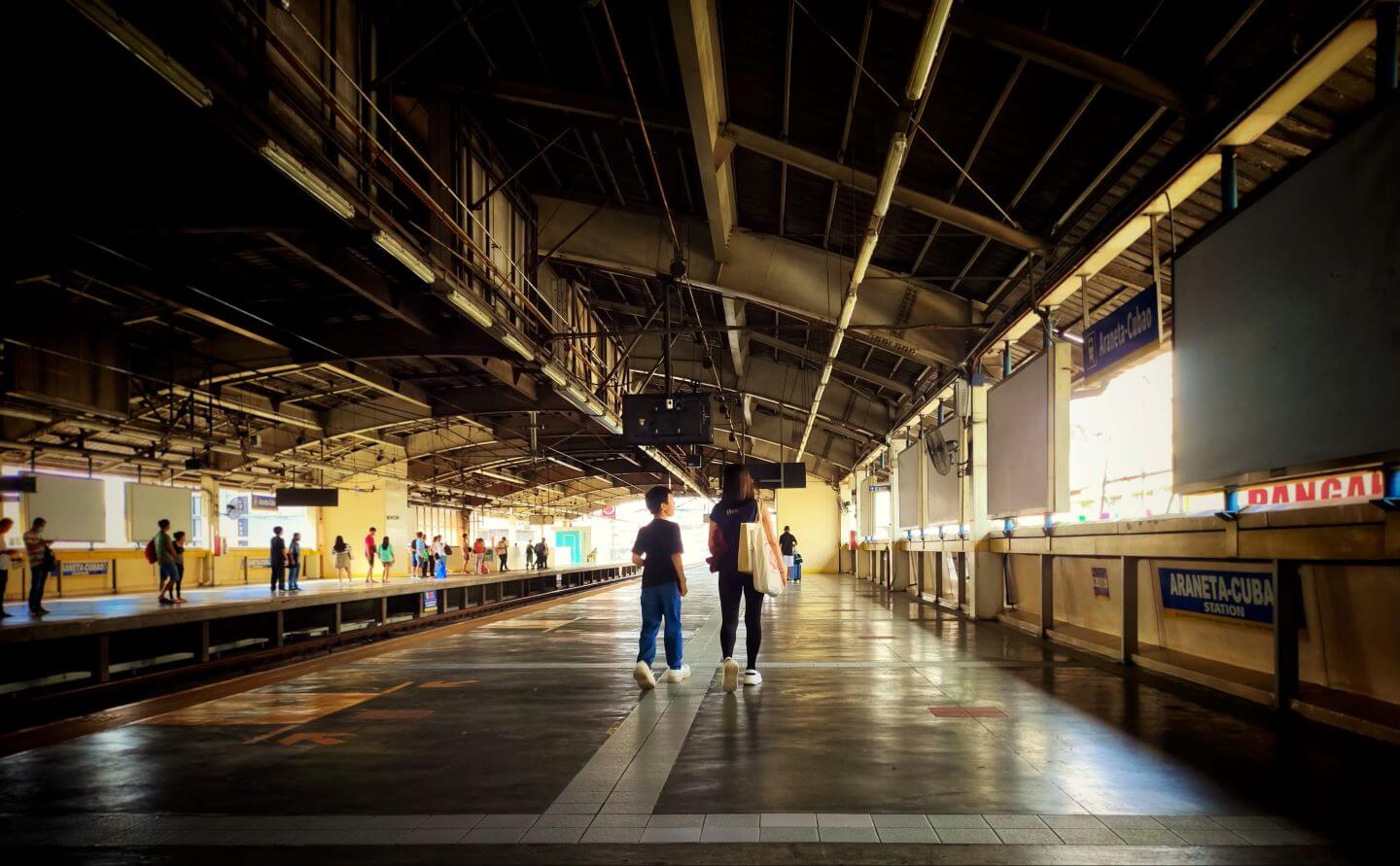
The LRT-1, LRT-2, and MRT-3 remain insulated from many street-level flash floods, making them a practical option when heavy rain disrupts road traffic. Although schedules may still be affected, these elevated rail lines generally remain more reliable than surface transport during flooding.
For routes that are not accessible by train, ride-hailing services can also be a useful alternative, particularly when combined with rail travel to avoid the most flood-prone roads. During periods of severe weather, however, demand often increases, so commuters should expect longer wait times and higher fares.
Expect delays on public transport
Road-based public transport services become less predictable during heavy rain. Bus arrivals fluctuate, jeepneys change routes, and passengers often spend longer waiting because vehicles cannot maintain their usual schedules.
Avoid motorcycles during severe weather
Taking public transport is generally safer than riding motorcycles during intense rainfall. Slippery roads and reduced visibility increase the likelihood of crashes, making two-wheeled travel considerably riskier.
Protect your health after the commute
The journey does not end once you reach your destination. Rainwater exposure can have lasting health consequences if ignored.

Wash your feet immediately
Walking through floodwater increases exposure to bacteria and contaminated debris. Flooding raises the risk of leptospirosis, especially when water enters cuts or abrasions. Washing your feet thoroughly after exposure helps reduce this risk. Applying alcohol to intact skin afterward provides additional sanitation, although proper washing remains the priority.
Prevent fungal infections
Wet socks and damp shoes create conditions that encourage fungal infections. Carrying extra socks allows commuters to change quickly and stay comfortable for the rest of the workday.
Don't ignore minor symptoms
Coughs and colds become more common during prolonged rainy days as people move repeatedly between soaked outdoor conditions and air-conditioned buildings. These illnesses can lead to missed work, increased medical costs, and additional inconvenience.
Stay alert when walking outdoors
Pedestrians often face different risks from motorists during the rainy season.
Use covered walkways whenever possible
Choosing covered sidewalks, walkways, or footbridges helps reduce exposure to rain while minimizing the chance of slipping on wet surfaces.
Never walk through floodwaters
Avoid flooded areas whenever possible. Floodwater may conceal open drainage systems, damaged pavement, or debris capable of causing serious accidents. Even shallow flooding can leave commuters hurt or stranded.
Small preparations make a big difference
No amount of commuter preparedness can eliminate the disruptions brought by rain, but thoughtful preparation makes them far easier to deal with. Knowing when to leave, what to carry, which routes to take, and how to respond to changing conditions reduces unnecessary inconvenience throughout the rainy season. A well-prepared commuter is more likely to arrive safely, avoid getting sick, and spend less time stuck in traffic despite unpredictable weather.
Vista Residences offers condominium developments in strategic Metro Manila locations, giving residents easier access to business districts, rail lines, and everyday essentials that can help simplify daily commuting no matter the weather.
.png)