Image source: Freepik
Introduction
Signing a condo lease in the Philippines has become more complex in 2025. With rising rental demand, shifting work arrangements, and stricter building management, tenants face more responsibility than ever. The competition for quality units is stronger, and most leases now include tighter rules, clearer clauses, and updated due diligence standards.
Before you commit to a rental property, you need to research and have a clear understanding of what’s legally binding, what’s negotiable, and what truly affects your cost of living. These are some examples of the steps you need to take before signing your condo lease cut through the noise and show you the most important steps every tenant should take, so you can protect your finances and make an informed decision with confidence.
Step 1: Reviewing and Understanding Legally Binding Terms in the Lease Agreement
Everything starts with the lease agreement. This document outlines the relationship between the tenant and the landlord, and it dictates the rules you’ll live by for the next several months—or even years. Before you sign anything, you need to understand what makes the agreement legally binding and what parts may vary depending on the property type.
In the Philippines, most leases clearly outline rent, the due date for payment, penalties for late payment, responsibilities for utilities, the lease duration, and the rules surrounding termination. All of these should match what was verbally discussed. If something seems off, you have every right to negotiate terms before you commit.
Reputable developers like Vista Residences make this step more straightforward by offering structured pre-leasing discussions. Instead of guessing what you’re signing, they provide early clarity on the rental agreement, applicable rules, and move-in requirements, allowing you to review everything with full transparency.
Never skim the fine print. Every clause matters, and each one has the potential to protect your rights or cost you money later on.
Step 2: Verifying Your Security Deposit and Upfront Payment Requirements
Once the contract terms are clear, the next step is understanding the deposit requirements. A security deposit is standard in the Philippines, but the exact amount may vary depending on the rental property, location, and unit condition. Most leases require a deposit equivalent to one or two month’s rent, while others may add an advance payment on top of that.
You must secure proper proof of payment and confirm what expenses the deposit may legally be used for. Whether it’s repairs, unpaid rent, or damages, the landlord cannot deduct amounts outside of what’s stated in your contract. The rules are stricter today because rental disputes involving deposit deductions frequently end up in barangay mediation or court.
Before committing your money, ask the property owner to document the exact conditions for the return of the deposit. This prevents arguments later when the tenant leaves the unit.

Step 3: Clarifying Lease Duration and Renewal Expectations
Once the financial responsibilities are clear, you must understand how long the lease lasts. Lease duration affects everything—from your budget to your lifestyle flexibility. Many tenants overlook this step, only to discover later that breaking the lease comes with penalties.
In the Philippines, most leases run for one year, although long-term leases are increasingly common in newer developments. Some owners allow a month-to-month setup, but these arrangements typically cost more.
Ask what happens if you need to move earlier than expected. Will the contract allow early termination? How much notice is required? Will you have to pay penalties? Confirming this protects you from unexpected expenses down the line.
In Vista Residences developments, leasing teams provide clear renewal timelines and move-in dates to prevent confusion. This makes it easier for tenants to plan long-term without experiencing unexpected contract extensions or rushed turnovers.
Understanding the length of your lease also requires looking at the specific contract options available to you. Each structure comes with its own trade-offs—some offer stability, others flexibility—and knowing the difference helps you choose the setup that supports your long-term plans.
Long-term leases
Long-term leases offer stability that many Filipino renters prefer, especially in competitive cities where rental prices can shift quickly. Committing to a multi-year contract often gives you the ability to negotiate terms, lock in a predictable payment schedule, and avoid sudden rent adjustments. This setup works best for tenants who already know their long-term work, school, or family arrangements.
However, long-term agreements require careful review because breaking them can trigger penalties. Before you commit, confirm that the written lease terms match your goals and that the landlord explains the termination process clearly should your situation change unexpectedly.
Month to month
If you aren’t ready to commit for that long, there’s another setup designed for tenants who value mobility over permanence. Month-to-month arrangements are ideal for tenants who prioritize flexibility. This option works well for people transitioning between jobs, relocating for short-term projects, or testing whether a neighborhood suits their lifestyle.
However, this flexibility comes with trade-offs. Month-to-month leases typically cost more, and owners can adjust rent faster, tighten renewal timelines, or decide not to extend the agreement with shorter notice. If you choose this setup, ensure the contract clearly spells out the notice period, payment deadlines, and the conditions under which either party may end the lease. Clear terms prevent disruptions and protect your budget.
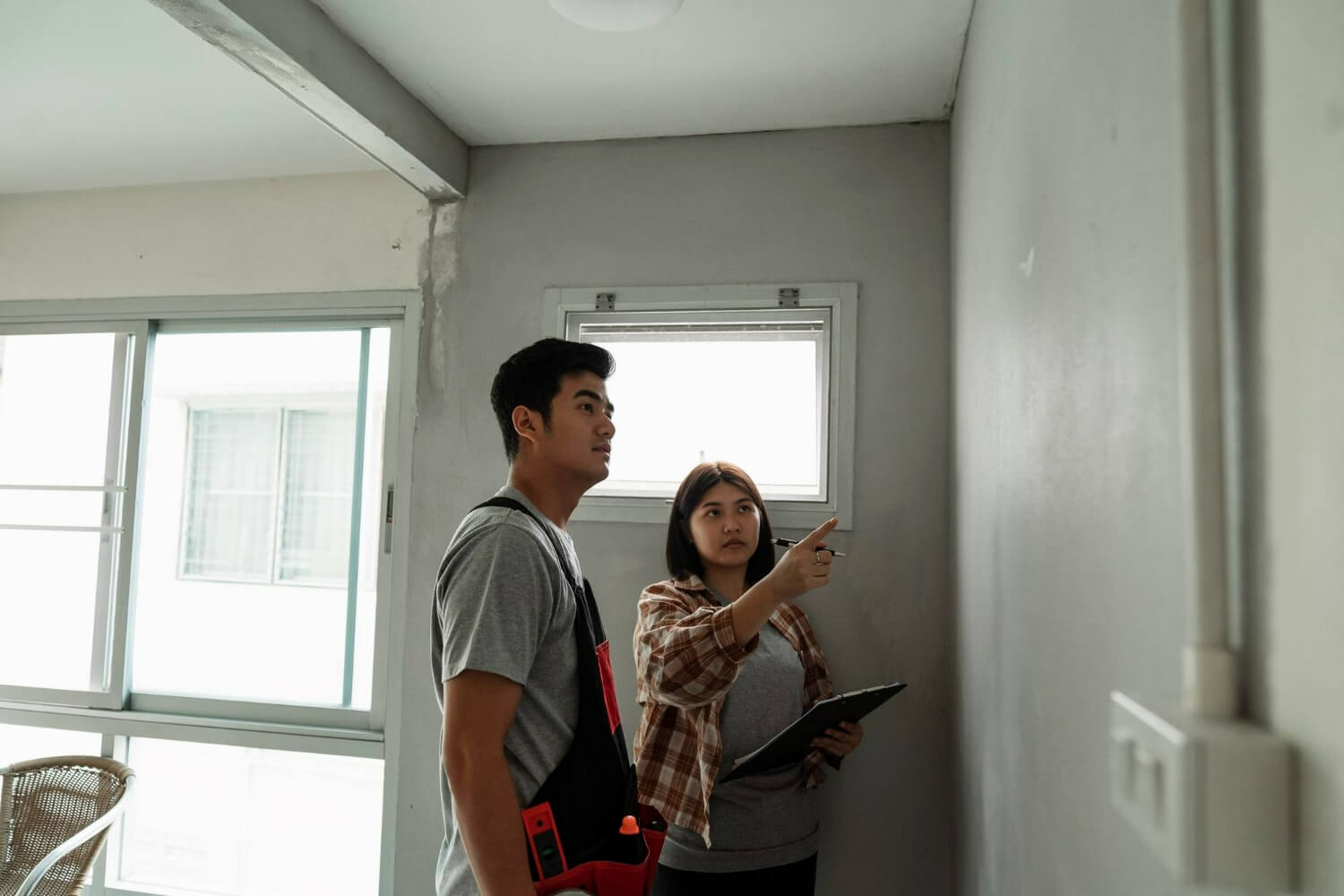
Image source: https://www.freepik.com/premium-photo/friends-standing-by-window_108156892.htm#from_element=cross_selling__photo
Step 4: Inspecting the Rental Property and Rental Unit After Reviewing Terms
Only after you understand the lease terms does the inspection process become meaningful. Many Filipino tenants make the mistake of checking a rental unit first, without knowing their responsibilities. If your contract says you’re responsible for repairs or maintenance, you should inspect the rental unit more carefully.
During the viewing, evaluate water pressure, ventilation, natural light, and any visible signs of deterioration. Test the electrical outlets, check internet access ports, and confirm which appliances or fixtures are included in the rental. These details affect your safety and daily comfort—so take your time.
Vista Residences has standardized turnover processes, meaning units undergo documented inspections prior to handover. This minimizes disputes and gives tenants more confidence that the unit is properly maintained.
Everything you observe should be backed by a written document before you sign the lease agreement.
Step 5: Speaking Directly With the Property Owner, Property Manager, or Landlord
A condo lease is not just about the unit—it’s about the people behind it. Speaking directly with the landlord, property owner, or property manager helps you confirm what’s written in the contract and understand the process for repairs, communication, and emergencies.
Vista Residences provides structured orientations with property managers, giving tenants clarity on building rules, payment procedures, and access protocols. These touchpoints create a smoother transition from contract to actual living conditions.
Step 6: Understanding the Lease Terms That Govern Daily Living
Once you’ve inspected the unit and spoken with management, you can now scrutinize the lease terms that dictate daily life. These details often include utilities, maintenance responsibilities, paying rent procedures, acceptable payment methods, and penalties outlined in the clause section of the contract.
Some terms depend on state laws or local ordinances, but the core structure is similar across most leases. You must confirm everything in writing—especially if you and the landlord had verbal agreements. Anything not written cannot protect you in case of disputes.
Check for any rules that may limit your ability to host guests, make minor repairs, or request permission for unit adjustments. These rules must be reasonable and applicable to your rental property’s setup.
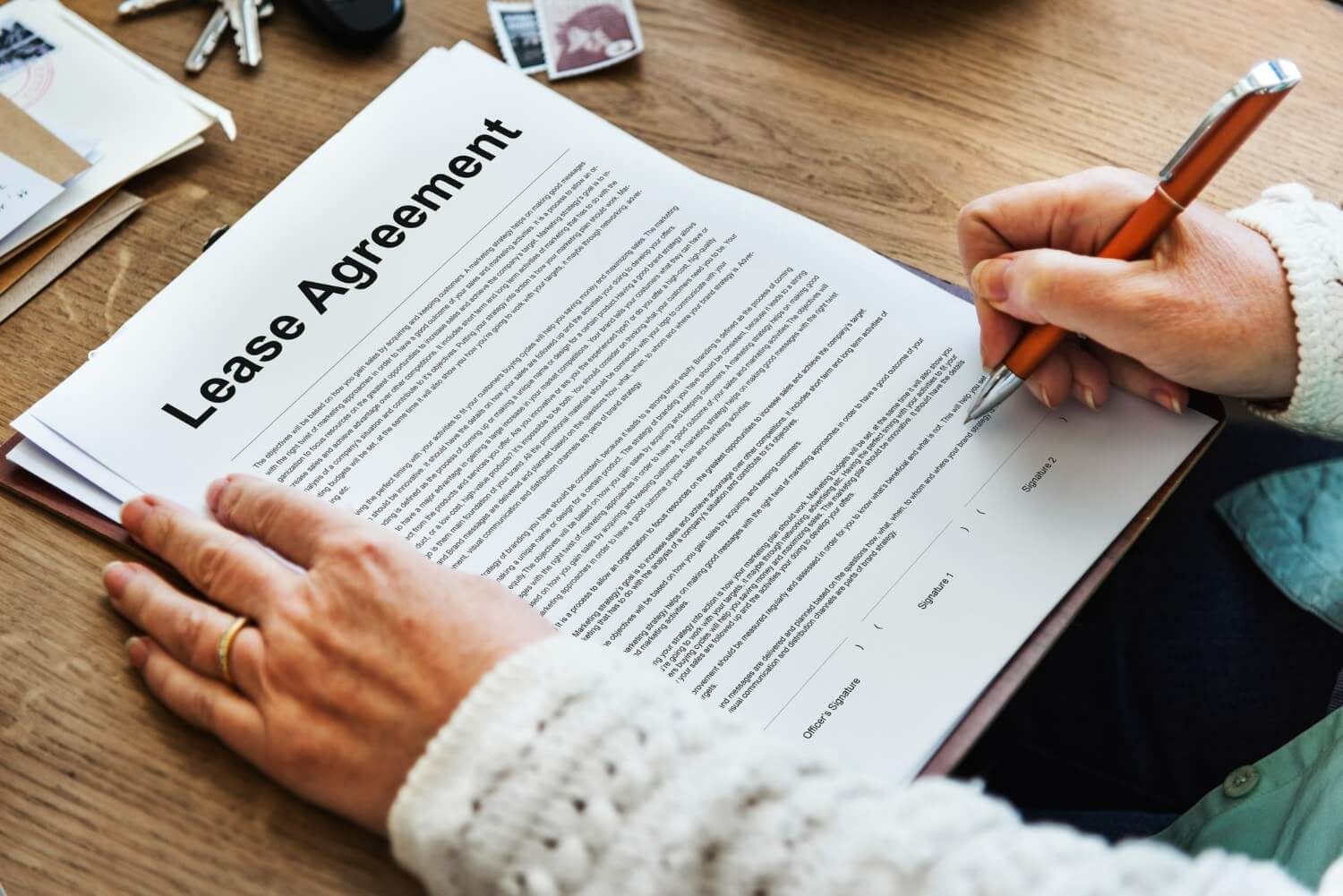
This is also the point where you should evaluate whether you need a lawyer. It’s not required, but if you’re dealing with unusual clauses, legal help may protect you from future liabilities.
Step 7: Reviewing Building Rules and the Fine Print
Every condominium community operates under a set of building rules that shape your living experience. These rules govern guest policy, parking access, deliveries, noise, and other day-to-day matters. You must understand them thoroughly before you sign anything.
These building rules shape your daily routine more than most tenants expect. They govern how you host guests, move within shared spaces, and even whether you can live with pets—so understanding these policies upfront will help you avoid penalties and enjoy a smoother living experience.
Guest policy
Guest policy rules vary widely between condominiums, and they can greatly influence how you manage social visits. Some buildings allow overnight guests with simple registration, while others impose stricter requirements such as ID submissions, time limits, or advance permission from management.
Because guest traffic affects security, buildings implement these rules to maintain order—but they can become restrictive if you’re not aware of them. Review the building’s guest policy carefully, especially if you frequently host friends or family. Clarifying these rules early prevents misunderstandings and ensures you stay compliant with building guidelines.
Pets allowed
Beyond visitor access, another major consideration for many tenants is whether the building allows pets—and under what conditions. While many condominiums now allow pets, the rules are far from uniform. Some buildings restrict certain breeds, sizes, or the number of animals allowed per unit. Others require updated vaccination records, microchip registration, or pet fees to cover potential repairs or cleaning.
Ensure that the “pets allowed” policy appears clearly in your rental agreement—not just mentioned verbally—so you’re protected from sudden rule changes. This gives you confidence that your pet can stay with you legally and without unexpected penalties.
Step 8: Understanding Early Termination and Exit Processes
Flexibility matters, and early termination policies should never be ignored. Life can change quickly—new jobs, family emergencies, or financial shifts—so you need to know how to break the lease properly.
Your contract should specify the notice period, the payment required to terminate early, and what conditions must be met before the landlord accepts the termination. Some require penalties; others require forfeiture of a portion of the security deposit.
If owners fail to follow the agreed process, you have the right to challenge unfair penalties. Many tenants avoid court by maintaining proper documentation and adhering to the written process.

Reviewing this step carefully prevents surprises when the tenant leaves the unit earlier than expected.
Step 9: Calculating the True Cost of Living in the Rental Property
You must calculate the real monthly cost of living—not just the rent. Expenses include association dues, water, electricity, internet, parking fees, and miscellaneous building charges. All of these impact your budget significantly.
Ask clear questions: Are utilities included or billed separately? Are there maintenance fees paid monthly or annually? Does the building collect amenity fees? Costs can vary depending on the building and the land it stands on.
This step ensures you know exactly how much money you need to live comfortably in your chosen apartment.
Step 10: Conducting Final Due Diligence Before Signing
Before committing to the contract, conduct a final round of due diligence. This includes verifying the identity of the landlord, confirming property ownership documents, checking the contract for accuracy, and reviewing any updated schedules or dates.
Ensure that all negotiated changes appear in writing. Never rely on casual promises. You must also verify payment channels, request official receipts, and inspect the rental unit one last time if necessary.
If anything feels off, step back. Protecting yourself is more important than rushing the process.
Step 11: Reviewing and Signing the Lease Terms With Full Confidence
The last step is the signing process. By this point, you’ve covered the most important steps: reviewing the contract, calculating costs, inspecting the unit, and confirming obligations. Signing the contract should feel like a logical conclusion—not a gamble.
Check the final contract for the correct date, the amount for the first month’s rent, security deposit details, and any applicable fees. After signing, secure all payment proof, IDs, copies of the agreement, and any document that confirms your move-in process.
Once everything checks out, you can sign the lease confidently, knowing you’ve taken all the steps before signing your condo lease with full diligence.
Why Following These Steps Before Signing Condo Lease Matters More Than Ever
Renting a condo in 2025 requires clarity, documentation, financial awareness, and an understanding of your rights as a tenant. By following these 11 steps, you protect your money, avoid disputes, and ensure that your new house supports your goals. Whether you’re considering Vista Residences or any other development, a responsible leasing process empowers you to sign with confidence and enjoy a smoother, safer, and more stable condo-living experience.
.png)