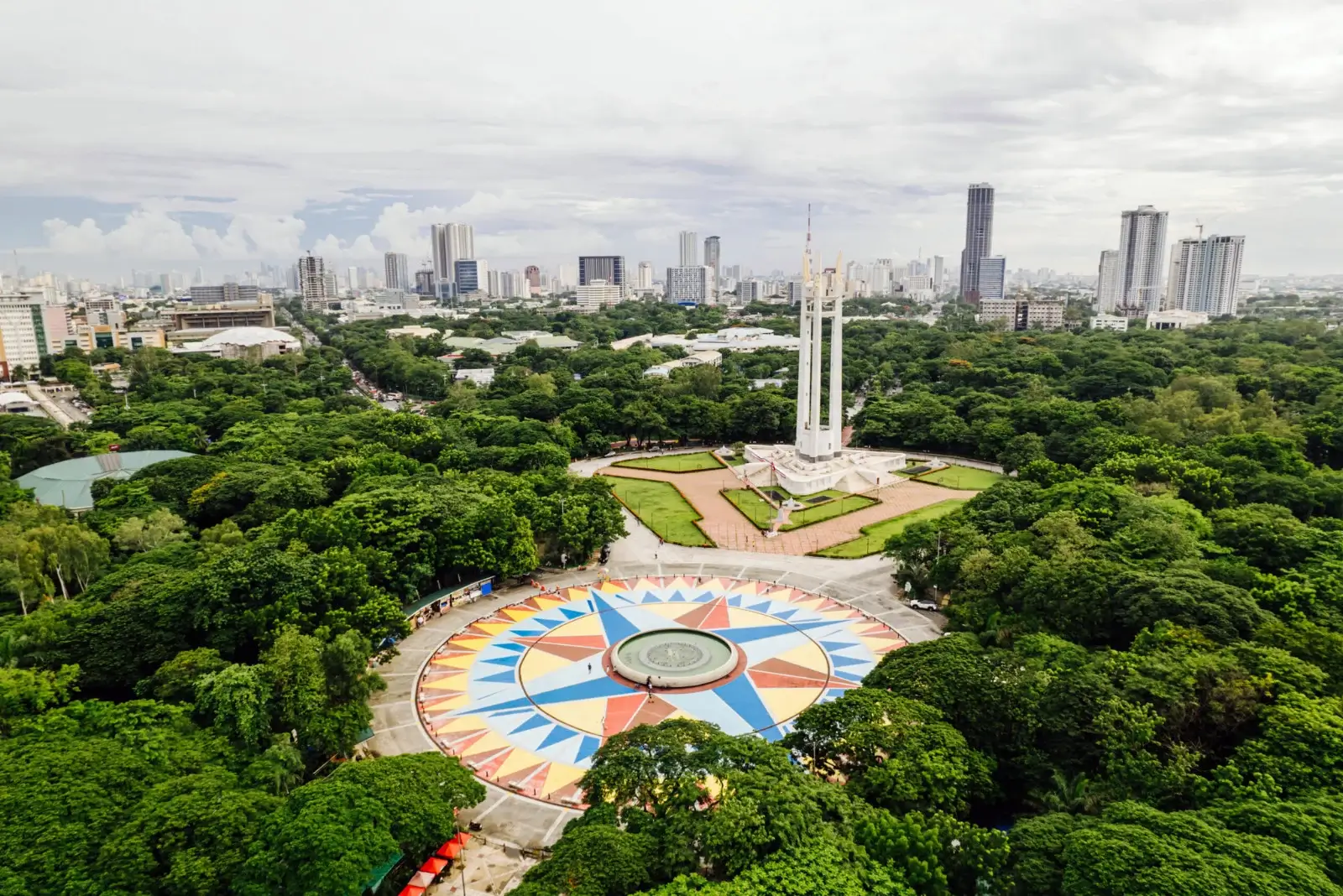
The third place concept holds that daily life needs a setting that is neither home nor office, and that the best homes sit within easy reach of one. American sociologist Ray Oldenburg built the argument around informal public gathering places, which he saw as just as essential to a person’s life as the house and the workplace. For Filipino households, the idea is familiar: the plaza after Sunday Mass, the neighborhood coffee shop at seven in the morning, the barangay court at dusk. A community is judged by what happens inside each unit and by where its residents meet.
What the third place concept means
The third place refers to social surroundings separate from home and work. In Oldenburg’s framework, the first place is the home and the people one lives with, while the second place is the workplace. The third place is everywhere else that people gather to talk. These informal gathering spaces, sometimes called third spaces, form part of a neighborhood’s wider community spaces. Ray Oldenburg, a sociologist at the University of West Florida, coined the term in his 1989 book, The Great Good Place, which was named a New York Times Book Review Editor’s Choice that year.
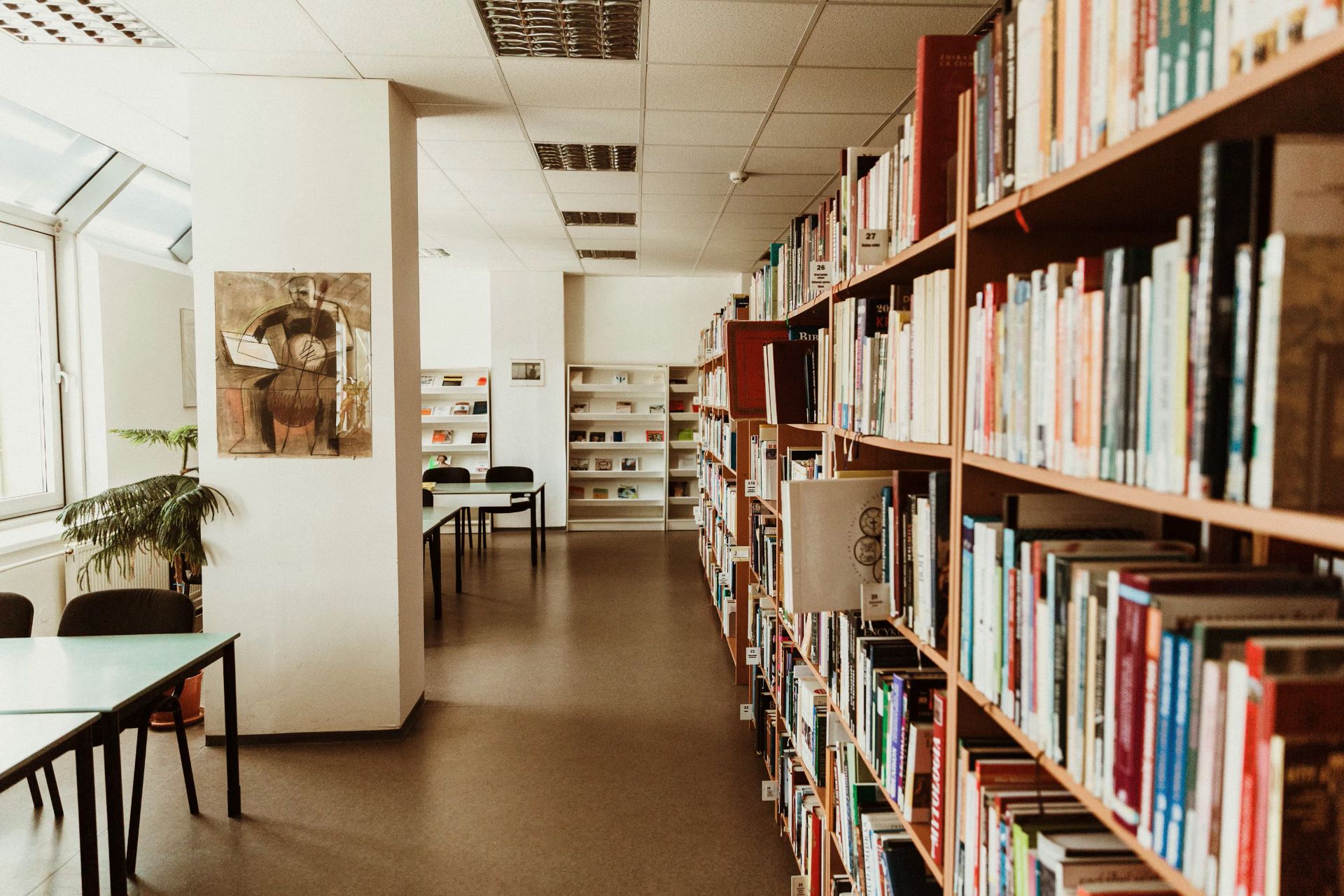
Third places include town squares and other public squares, bars, cafes, libraries, parks, community centers, hair salons, and general stores. Not every one of a city’s public spaces qualifies. A mall corridor or a highway rest stop is a space people pass through, and a third place requires social activity. Oldenburg also favored local establishments over large corporations, since an owner who knows the regulars by name adds to the atmosphere in ways a chain’s manual cannot.
A long history of informal public life
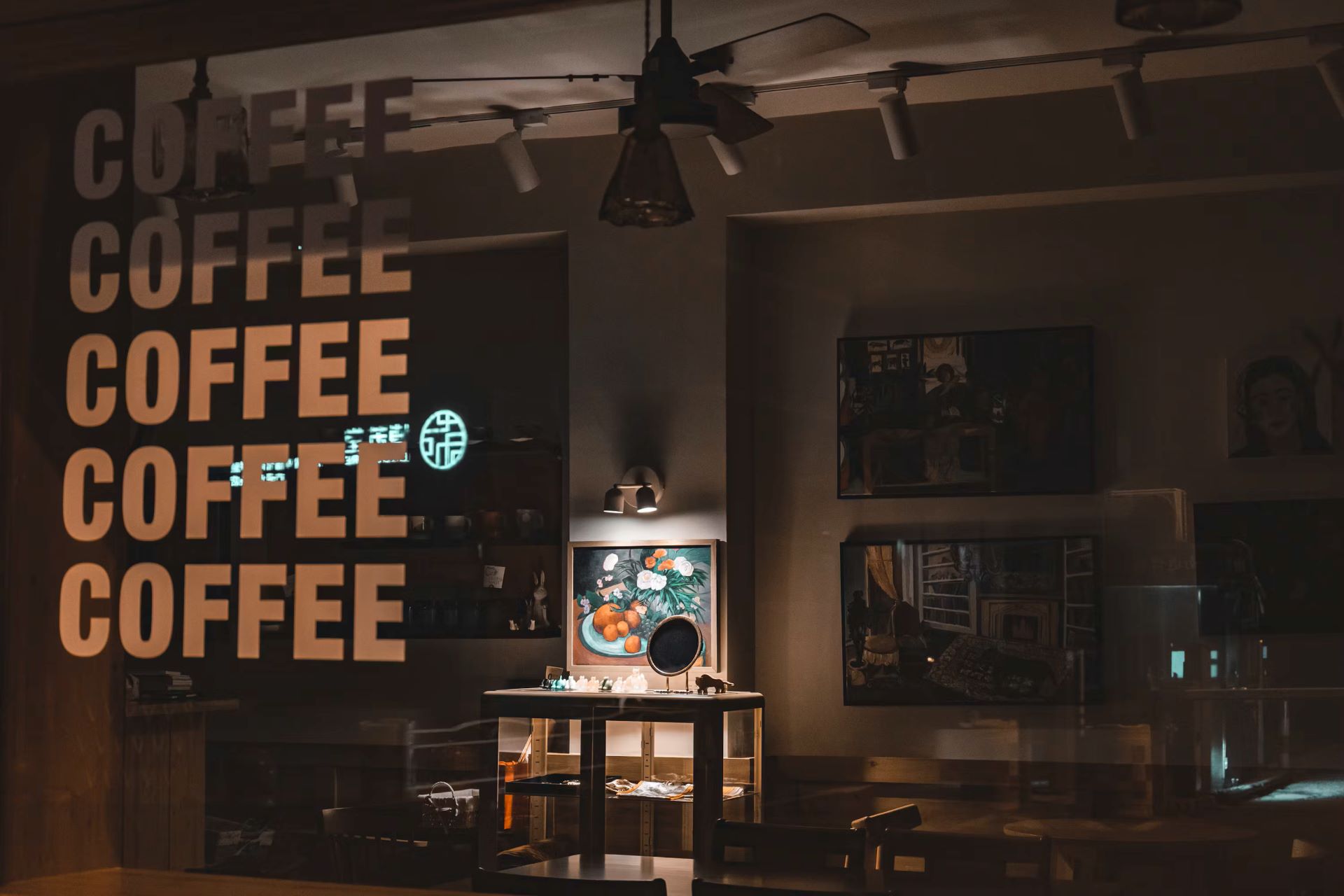
Informal public life has taken different forms across different cultures. The ancient Greek agora served as an early example, a marketplace where citizens also argued, traded news, and settled disputes. Teahouses in Imperial China are traced to the Western Jin dynasty (265–316), and these tea houses became social hubs in towns across the country. In 17th-century England, coffee houses drew merchants, writers, and politicians. Some were nicknamed penny universities, because the price of a cup bought entry into conversation with some of the best-informed people in the room.
Those coffee houses are often described as precursors to modern democracy. They offered free speech allowing strangers to challenge one another’s opinions, and political debate there fed into the press and the parliament. Oldenburg made a related point: neighborhood hangouts gave ordinary citizens a real political arena, even when nobody announced that politics was on the menu.
Qualities that make a good third place
A third place works because of a handful of traits that appear repeatedly.
Neutral ground
Nobody hosts and nobody has to play host, so guests can come and go freely. That neutral ground gives the third place its ability to provide a setting for dialogue among people who would never meet at a dinner party.
Leveled status
Inside a good third place, a retired teacher, a call-center agent, and a business owner sit at the same table. Leveling the status of guests promotes social equity, and it is why the conversation tends to be broader and more creative than the one at the office.
Conversation as the main activity
Food, coffee, and chess may bring people through the door, but talk is the main activity. The mood is often playful, and the atmosphere stays welcoming even when the topic turns serious.
Accessible, affordable, and spontaneous
A third place should be easily accessible, affordable, and stress-free. People do not book a table or dress for the occasion; they simply enjoy being there. Many third places are free, such as parks, and where people spend money, the amount is small enough that nobody feels excluded.
Regulars and familiar faces
Regulars set the tone. Seeing the same familiar faces week after week gives newcomers a sense of belonging, and the same barista, vendor, or neighbor becomes part of one’s identity in the area.
How regular visits build community
Regular, informal encounters build familiarity, and familiarity builds trust. Frequent social interaction of this kind lets people build relationships slowly: a hello at the park becomes a favor, then a friendship. Sociologists describe the result as social capital, and third places create it largely through weak ties, the loose acquaintances who pass along job leads, recommendations, and local news that close friends often cannot.
The effects reach family life as well. Parents who meet at a playground or a neighborhood cafe trade advice, share rides, and keep an eye on each other’s children. Regular visits enhance community interactions and reduce isolation, and casual contact reduces loneliness, which supports mental health and general well being. Over time, these small exchanges become the social bonds that help residents stay connected after a typhoon, a transfer of jobs, or a death in the family.
Third places also support civic engagement. When neighbors talk about a flooded street, a barangay assembly, or a proposed road, they gather information and make more informed decisions at the ballot box and at the village meeting. Grassroots politics and public association begin with conversation, and conversation needs somewhere to happen. A healthy society depends on that habit, and community building happens daily, one visit at a time.
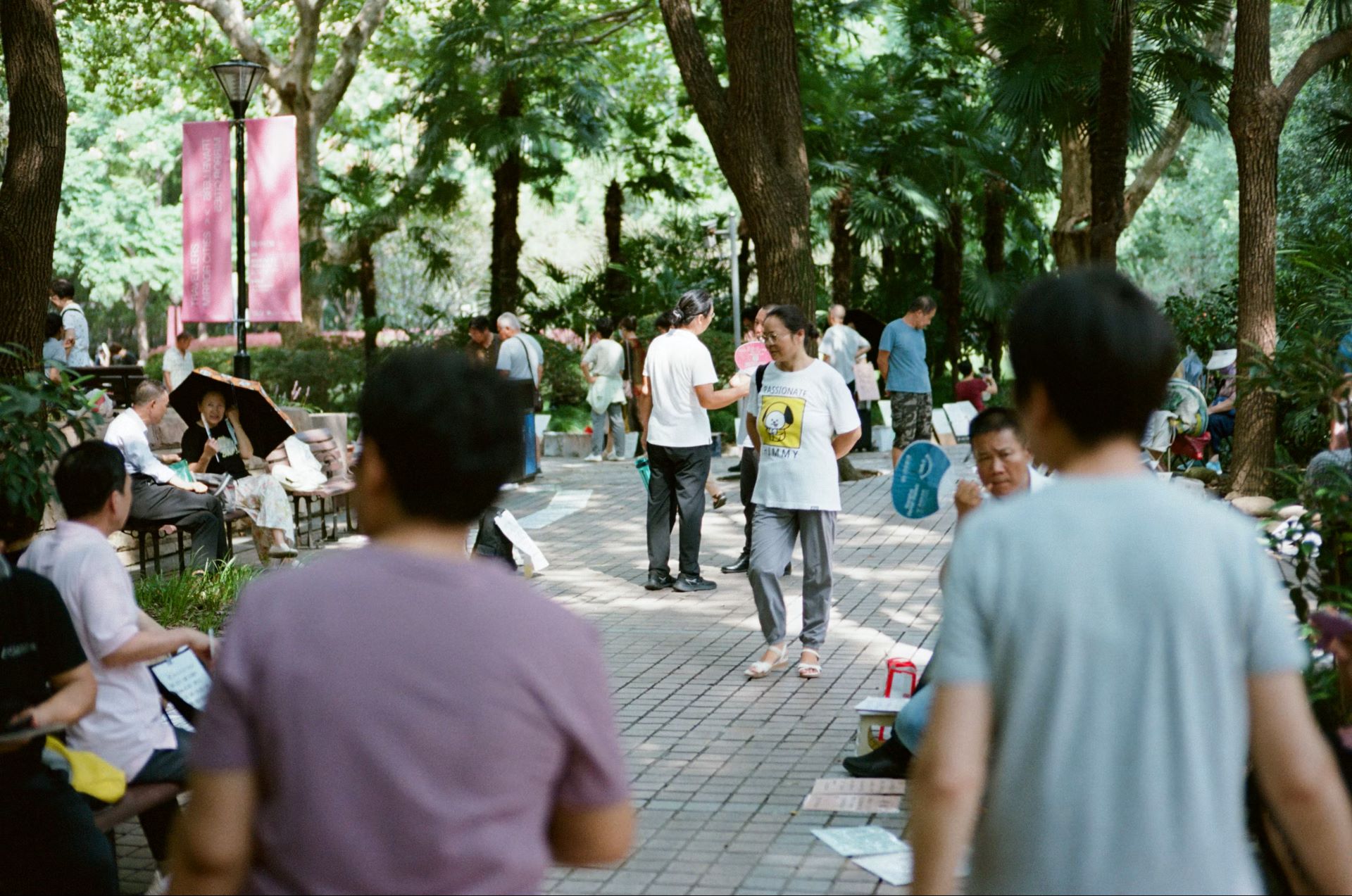
Why access to third places is uneven
When a coffee shop or community center closes, the neighborhood loses more than a business, and residents have few other places to turn to. Closure of third places reduces social support opportunities, and the loss is hard to reverse. Car-dependent suburbia cries out for easy escapes from cabin fever, and a subdivision with no walkable meeting point leaves residents with the house, the commute, and little in between.
Access is also unevenly distributed across communities. A 2022 study by sociologists Danielle Rhubart, Yue Sun, Claire Pendergrast, and Shannon Monnat examined census tracts across the United States and found that higher poverty rates were associated with fewer third places. The researchers describe third places as opportunity structures that carry information and social capital, which means that going without them carries a cost beyond loneliness.
Third places in digital spaces
Third places can also be found in digital spaces, beyond physical locations. Public Wi-Fi availability enables remote work in cafes and libraries, which turns a coffee shop into a shared office where freelancers and call-center professionals cross paths. Online gaming communities function as virtual third places, with regulars, shared rituals, and a mood that stays playful. Virtual third places share characteristics with physical ones: they are free or cheap to enter, they center on conversation, and they offer a sense of community to people who might otherwise be isolated, providing opportunities to meet someone from another city or across the world.
Technology also enhances community building. A subdivision group chat, a barangay page, or a neighborhood event listing helps residents find one another and gather easily. Still, Oldenburg himself was skeptical that electronic communication amounts to a virtual third place, and the caution has merit. Technology should enhance, not replace, third place interactions. Online communities work best as a way to arrange the real life alternatives: the Saturday run, the weekend market, the coffee after school drop-off. A screen cannot offer the unplanned encounter that makes a place worth returning to.
Designing a home around a third place
Creating third places requires careful planning and design considerations. They rarely appear by accident. They depend on walkable distances, shaded seating, parks with benches facing each other, plazas that open onto small shops, and ground-floor space leased to locally owned coffee shops and bakeries instead of anonymous franchises. A clubhouse or community center works only if residents can reach it without a car and feel free to use it without an invitation.
In the Philippines, the plaza has long played this part, and the sari-sari store still anchors many streets. Newer master-planned neighborhoods can extend that tradition with linear parks, covered courts, and open spaces placed at the points where residents already pass each day. Third places act as anchors for community life, and placing them within a short walk of the front door is what separates a subdivision from a neighborhood.
For households weighing a home purchase, the practical question is what the surrounding blocks offer on an ordinary Tuesday evening. Good schools, access to roads, and amenities matter, but so does a place to see a friend without planning for it.
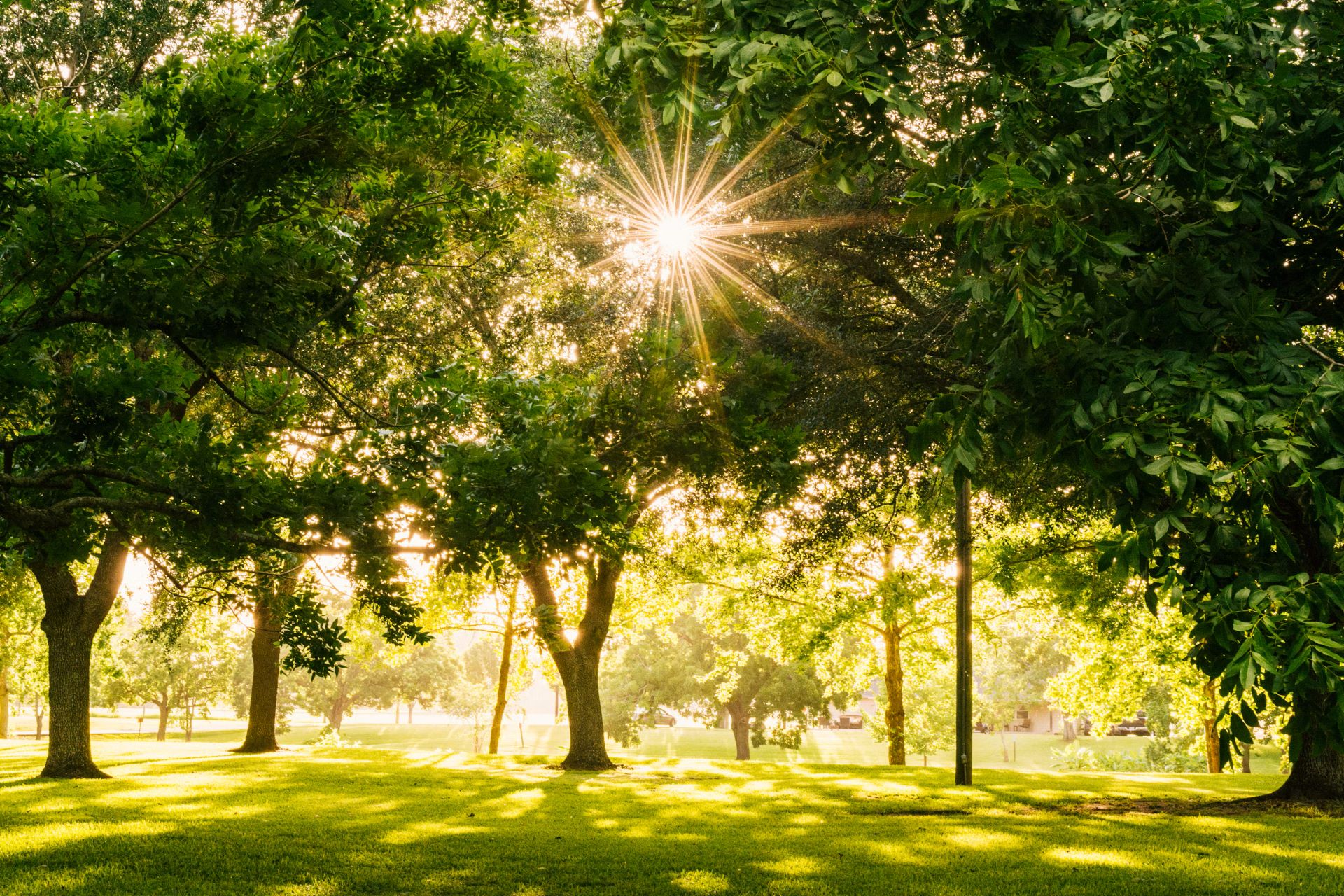
A neighborhood that extends past the front door
The third place concept comes down to a simple point: homes are strongest when they are connected to places where people meet. Cafes, parks, libraries, and plazas serve the neighborhood. These places provide the human connection that a house alone cannot. They give conversation a home, turn neighbors into friends, and give residents a stake in the life of the street. Buyers who look beyond the unit to the walkable cafes, shaded parks, and shared spaces around it are choosing the daily rhythm that comes with the address.
Explore Vista Residences and find communities designed with shared spaces where neighbors meet, linger, and build the real, everyday connections that make a house a home.