Image source: Magnific
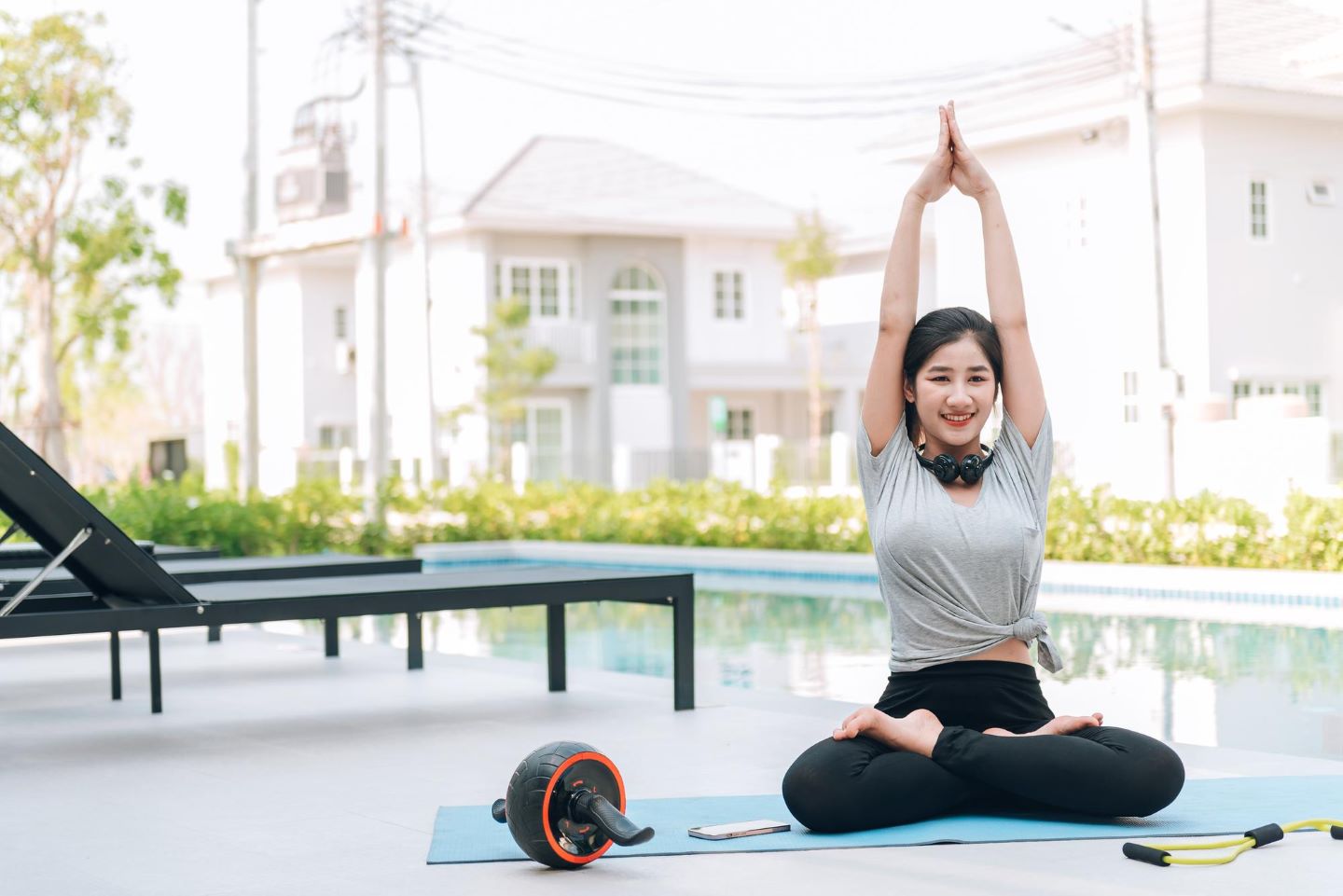
The growing popularity of yoga in the Philippines reflects a broader shift toward intentional living. More Filipinos are carving out time for movement, mindfulness, and relaxation, whether through weekend yoga class schedules, quick morning stretches before work, or restorative yoga sessions at home after long commutes.
For beginners, entering the world of yoga can feel overwhelming at first. There are countless props, accessories, and recommendations online, many of which seem unnecessary. In reality, building a sustainable yoga practice often comes down to choosing a few reliable yoga essentials that improve comfort, support alignment, and help the body move safely.
Some items help with balance and flexibility. Others reduce pressure on joints or make meditation more comfortable. Together, these essentials create a routine that covers the basics and feels easier to maintain, whether you practice yoga inside a quiet condominium unit, a fitness studio, or a dedicated wellness space at home.
1. Choosing a Yoga Mat That Matches Your Practice Style
A yoga mat is the foundation of nearly every yoga practice. Without proper grip and cushioning, even simple poses can feel unstable. Many beginners start with standard yoga mats because they are affordable and easy to carry. Over time, though, practitioners often realize that different yoga styles require different levels of support.
A fast-paced vinyasa class may need a mat with a stronger grip and stability, especially once sweat builds up. Restorative yoga, on the other hand, usually feels better on thicker mats with extra cushioning for the knees, hips, and joints.
What Makes a Good Yoga Mat?
A good yoga mat should feel supportive without being too soft. Thickness, texture, and materials all affect comfort and alignment. Some practitioners prefer eco-friendly options made from natural rubber or cork. Cork surfaces become grippier with moisture, making them ideal for hot yoga sessions where sweat can make movement slippery.
Others prioritize portability, especially those who regularly move between home and studio classes. Lightweight mats are easier to carry but may provide less cushioning during floor exercises.
2. Wearing the Right Clothing for Comfort and Mobility
The right clothing can completely change the experience of a yoga class. Restrictive fabrics limit movement, while poorly fitted workout attire can distract from focus and mindfulness.
Yoga involves continuous movement through stretches, seated poses, and standing balance work. Clothing should support the body naturally without requiring constant adjustment.
For hot yoga, breathable materials help manage sweat and prevent discomfort during long yoga sessions. In cooler studio spaces, an extra layer may feel more comfortable during meditation or cooldown exercises.
Many practitioners also prefer clothing with enough coverage to move confidently through inversions and deep stretches. Comfort often creates the difference between an interrupted workout and a smooth, focused practice.
3. Why a Yoga Towel Becomes Essential in Heated Classes
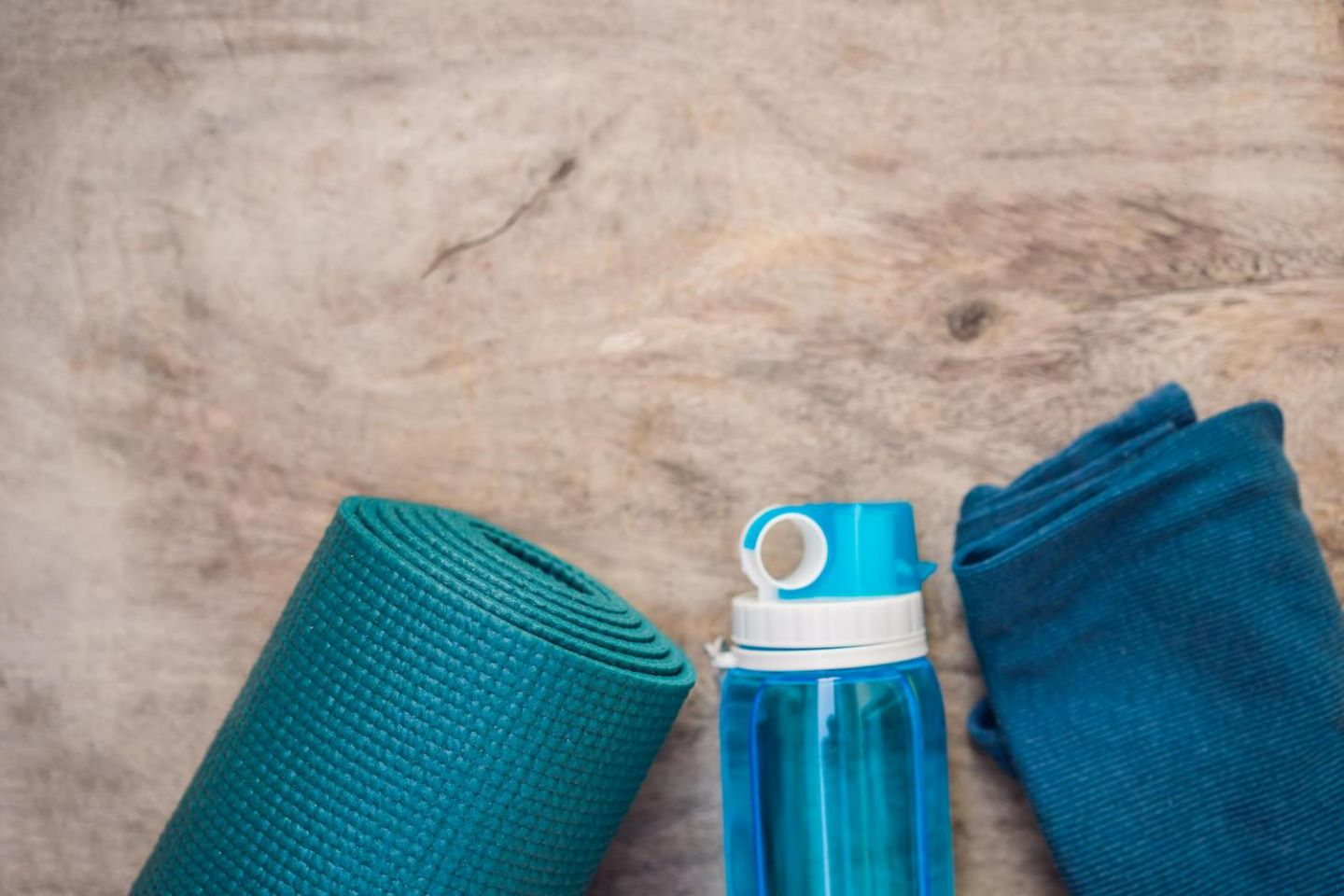
People new to yoga often underestimate how useful a yoga towel can be until they attend their first heated session. Sweat affects grip, particularly during standing poses and transitions. A yoga towel absorbs moisture while helping maintain traction on the mat.
Unlike a regular small towel used during general sports activities, yoga towels are designed specifically for movement. Many stay in place even during dynamic exercises and flowing vinyasa routines.
Studio Hygiene and Shared Spaces
In a shared studio environment, towels also help create a cleaner practice area. Practitioners frequently use one towel for the mat and another to wipe sweat during class.
Keeping yoga equipment dry matters not only for comfort but also for durability. Moisture buildup can wear down materials over time, especially in humid conditions common across the Philippines.
4. How Yoga Blocks Improve Alignment Without Strain
Yoga blocks are often associated with beginners, but experienced practitioners rely on them just as much.
Blocks provide extra support during poses that require flexibility, stability, or balance. They effectively bring the floor closer to the body, reducing strain without compromising alignment.
Someone with tight hamstrings, for example, may place yoga blocks beneath the hands during forward folds. Others use them beneath the hips or shoulders during restorative yoga poses.
Foam vs. Cork Blocks
Foam blocks feel softer and lighter, making them popular among beginners. Cork blocks offer firmer support and greater durability.
Practitioners seeking greater stability in standing poses often prefer cork because it feels more grounded. The added firmness also supports deeper stretches more comfortably.
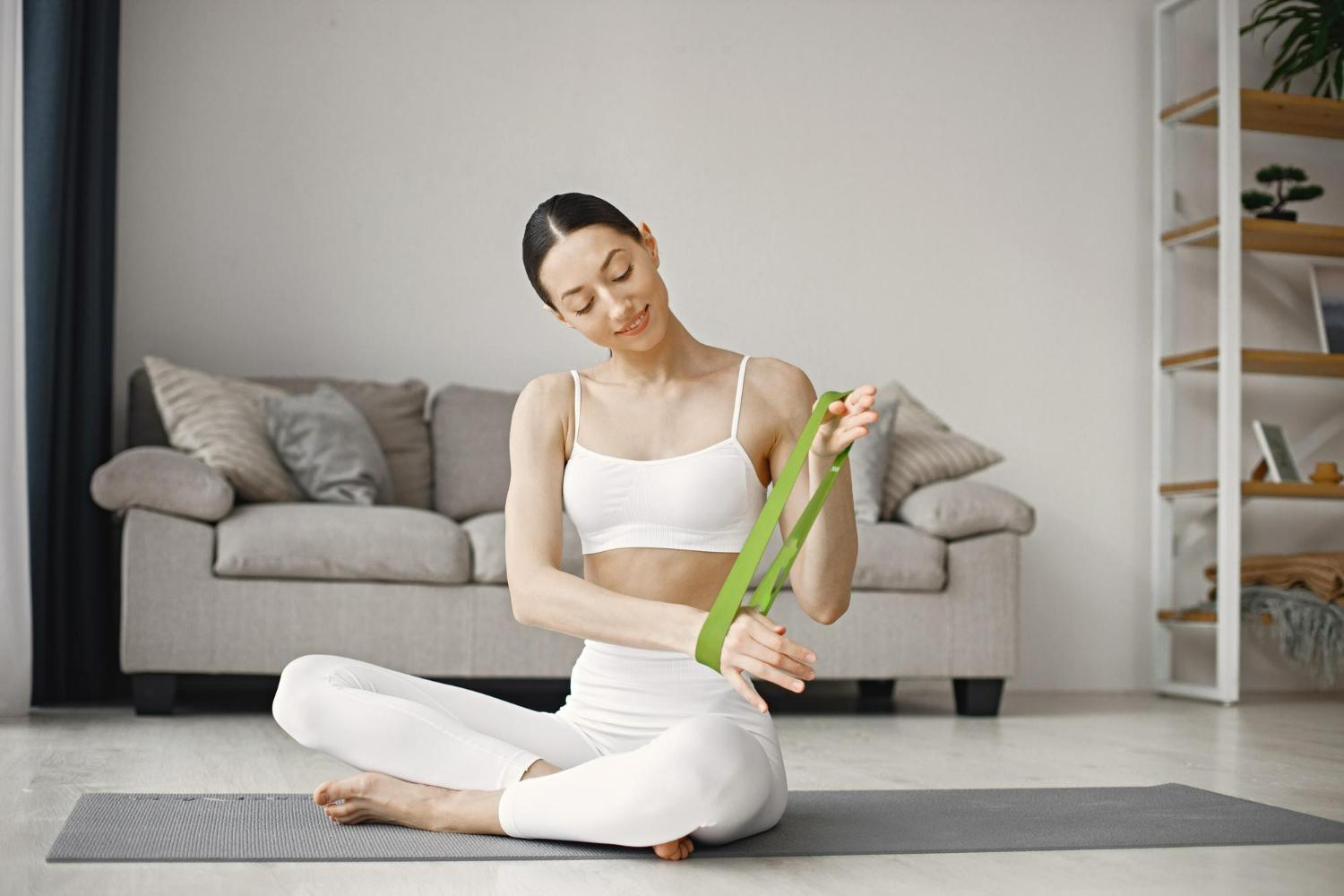
Image source: https://www.magnific.com/free-photo/brunette-fit-woman-white-leggins-top-working-out-mat-home_26965421.htm
5. The Yoga Strap and the Value of Gradual Flexibility
A yoga strap helps practitioners achieve better flexibility safely, rather than forcing movement too quickly.
Many people struggle with shoulder mobility, seated stretches, or hamstring flexibility when they first begin yoga. Using a strap creates additional reach while allowing the body to stay properly aligned.
This support becomes especially important during restorative yoga or slower-paced sessions focused on controlled movement.
Some practitioners also pair a yoga strap with a yoga wheel to open the chest and improve posture around the shoulders and upper back. These props encourage gradual progress while reducing unnecessary pressure on joints.
6. Supporting Sensitive Knees With a Reliable Knee Pad
Certain yoga poses place repeated pressure on the knees, especially during lunges and floor-based exercises. For people with joint sensitivity, a knee pad can make practice significantly more comfortable.
Unlike thicker mats that distribute cushioning across the entire body, a dedicated pad targets support where it is needed most.
Practitioners who combine yoga with pilates routines often use knee pads during mobility work because the extra cushioning helps reduce discomfort during longer sessions.
A lightweight pad is also practical for people who attend studio classes regularly since it fits easily alongside other yoga essentials.
7. Why a Yoga Blanket Adds More Than Warmth
A yoga blanket creates comfort in ways many beginners do not expect.
In restorative yoga, blankets or meditation mats support the body during longer-held poses designed to encourage relaxation and stress relief. Folded blankets can elevate the hips, support the spine, or soften pressure beneath the knees.
They also create warmth during meditation and cooldown periods when the body begins to relax more deeply.
A Simple Tool for Better Seated Poses
Some seated poses become easier when the hips are slightly elevated. Folding a yoga blanket beneath the pelvis improves posture and reduces strain around the lower back.
This small adjustment often helps practitioners maintain focus for longer meditation sessions without discomfort becoming a distraction.
8. Creating a More Comfortable Meditation Routine
Meditation and yoga remain closely connected because both emphasize mindfulness, breathing, and awareness of the body.
Creating a quiet meditation corner at home can also strengthen consistency. In residential communities like Hawthorne Heights in Quezon City, where residents increasingly prioritize wellness-centered routines, dedicated spaces for relaxation and movement are becoming part of daily living habits.
Soft lighting, organized yoga equipment, and calming textures often create inspiration for a more intentional wellness routine.
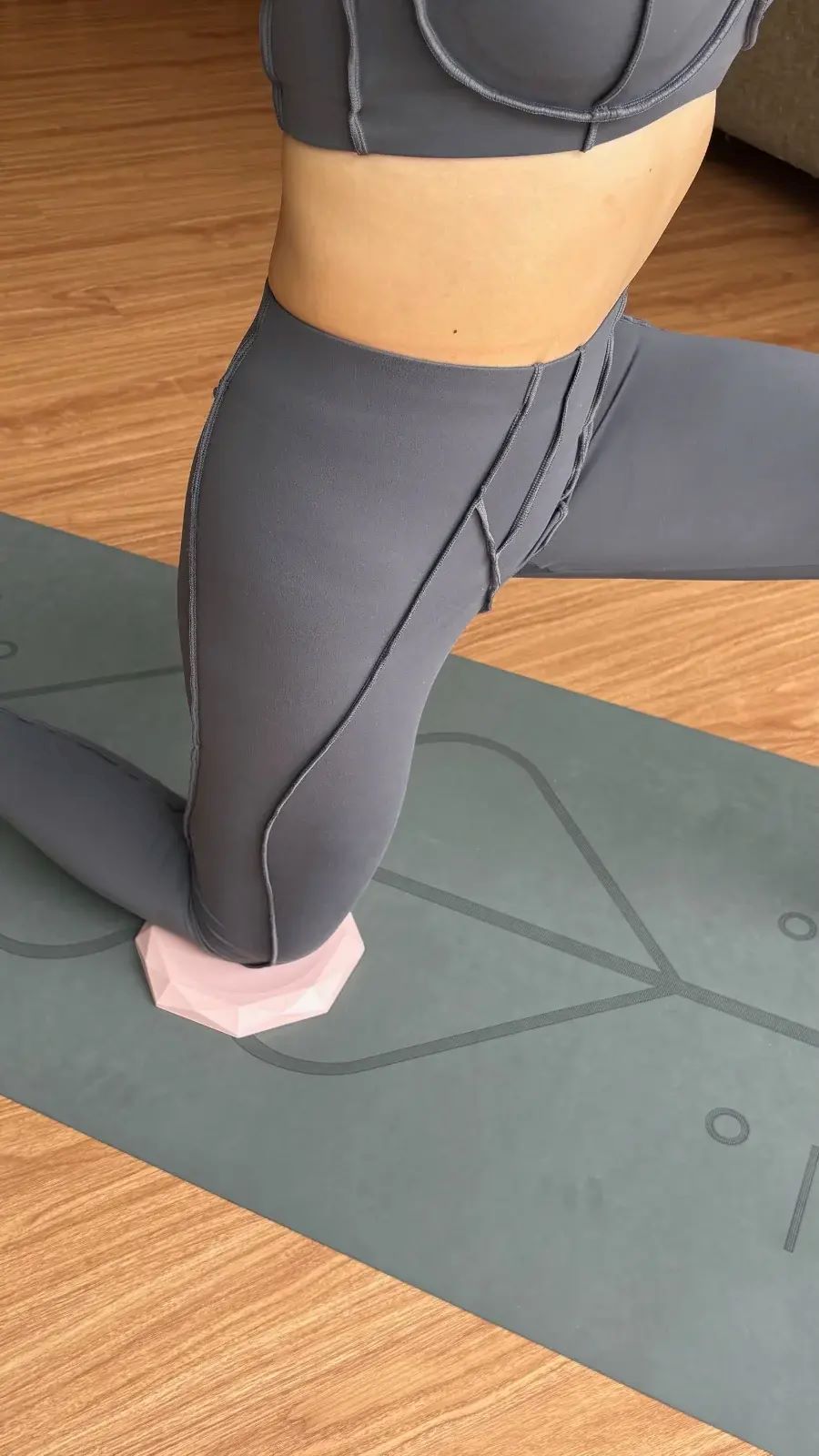
Image source: https://yogarepublik.com/products/yr-knee-pad-black-pink
9. Adding Resistance Bands for Strength and Endurance
Resistance bands bring another layer of versatility to yoga practice.
While yoga is often associated with flexibility, strength and endurance also play a major role in long-term progress. Resistance bands add controlled tension during stretches and exercises without placing excessive strain on the body.
Many practitioners use bands during warmups to activate muscles before class. Others integrate them into pilates-inspired workouts that improve balance and stability.
Because resistance bands are lightweight and portable, they remain one of the easiest yoga accessories to add to an existing routine.
10. Organizing Yoga Equipment for a More Consistent Routine
Consistency often determines whether a yoga journey becomes a lasting habit or a short-lived phase.v Keeping yoga equipment organized removes unnecessary friction from the routine. When mats, props, towels, straps, and blocks are easy to access, it becomes easier to begin practice without hesitation.
Some people store essentials inside woven baskets or open shelving. Others create a dedicated corner that visually separates wellness activities from work or household responsibilities. The goal is not to collect excessive accessories but to create a setup that genuinely supports your ability to practice yoga consistently.
Conclusion
In many ways, the right yoga essentials help simplify the process. They improve comfort, support alignment, reduce strain, and allow practitioners to focus less on discomfort and more on mindfulness, balance, and progress.
Whether attending a studio class, practicing meditation at home, or exploring yoga for the first time, thoughtful preparation can make the entire journey feel more sustainable and rewarding.
.png)