Navigating the competitive corporate landscape of the Philippines in 2026 requires more than just professional dedication; it demands a definitive guide to leaving the office on time. For many professionals working in bustling business districts like Ortigas, Makati, and BGC, an unsustainable pattern is constantly heard where clocking extra hours without questions asked is misconstrued as peak commitment. This corporate mindset is wrong in many ways as it often induces unnecessary stress. Blurring the boundaries between a fulfilling career and a nurturing home environment.
True professional excellence relies on sustaining a healthy work-life balance, yet many find themselves trapped in a cycle where they routinely come to office early and work late, leaving not even one moment to their personal growth. For those who mistake becoming hugely successful in the modern workplace is similar to when you have to study hard is not as accurate as many think. It means realizing that your job should not consume your whole life, nor should your productivity be measured by how many hours you log after the sun goes down. By resetting your morning intentions and protecting your schedule, you can systematically plan and reclaim your time, lower daily friction, and establish an enduring balance.
Rethinking Productive Output and Time Management
To break free from the culture of presenteeism, professionals must undergo a psychological shift regarding time management. Shifting your focus away from the number of hours spent, staying at a desk and holding your original post for hours on end, and toward actual output is a subject dear to the hearts of modern efficiency experts. Achieving a great work-life balance is not a matter of luck; it is a wonderful phrase that becomes reality only through intentional behavioral change.
When a hardworking person prioritizes their personal life, they begin to view life balance as a non-negotiable metric of long-term professional endurance. Reframing the working day as a finite window of opportunity forces you to practice sharper operational control, ensuring that the stress of looming deadlines are met with strategic execution rather than chaotic, last-minute panic.

Shifting the Corporate Narrative Around Overtime
Changing how we view office visibility is crucial for modern career advancement. Data from a recent corporate poll sheds light on this shifting corporate dynamic, revealing that 35% of surveyed workers believe that remaining at your desk for extended periods actually indicates disorganization, while 32% think it simply signals that an employee is completely overworked. This insight challenges the outdated belief that an empty desk at 5:00 PM means a lack of dedication. When this data is heard by forward-thinking managers, it helps dismantle the counterproductive expectation that a team must stay late to prove its corporate value.
Strategic Prioritizing of Critical Tasks
Maximizing professional output within standard business hours relies heavily on proper prioritizing. To work effectively, an individual must achieve absolute clarity on what genuinely moves a project forward, choosing to stop focusing on minor distractions that consume valuable energy. Every single moment of the day must be treated as an investment. By developing the skills to evaluate tasks based on long-term impact, you can protect your attention from low-value obligations and keep your energy focused on your most vital professional goals.
Operational Strategies to Leave Work Early and Protect Daily Boundaries
To leave work at a reasonable hour, you must establish clear operational boundaries and apply tactical task triaging throughout the day. Protecting your time requires clear boundaries, which can be developed by adopting time management frameworks like the Eisenhower Matrix or ABC Analysis to separate high-priority tasks from minor disruptions. Furthermore, applying the 1-3-5 Rule—committing to one major project, three medium tasks, and five minor items daily—keeps your workflow realistic.
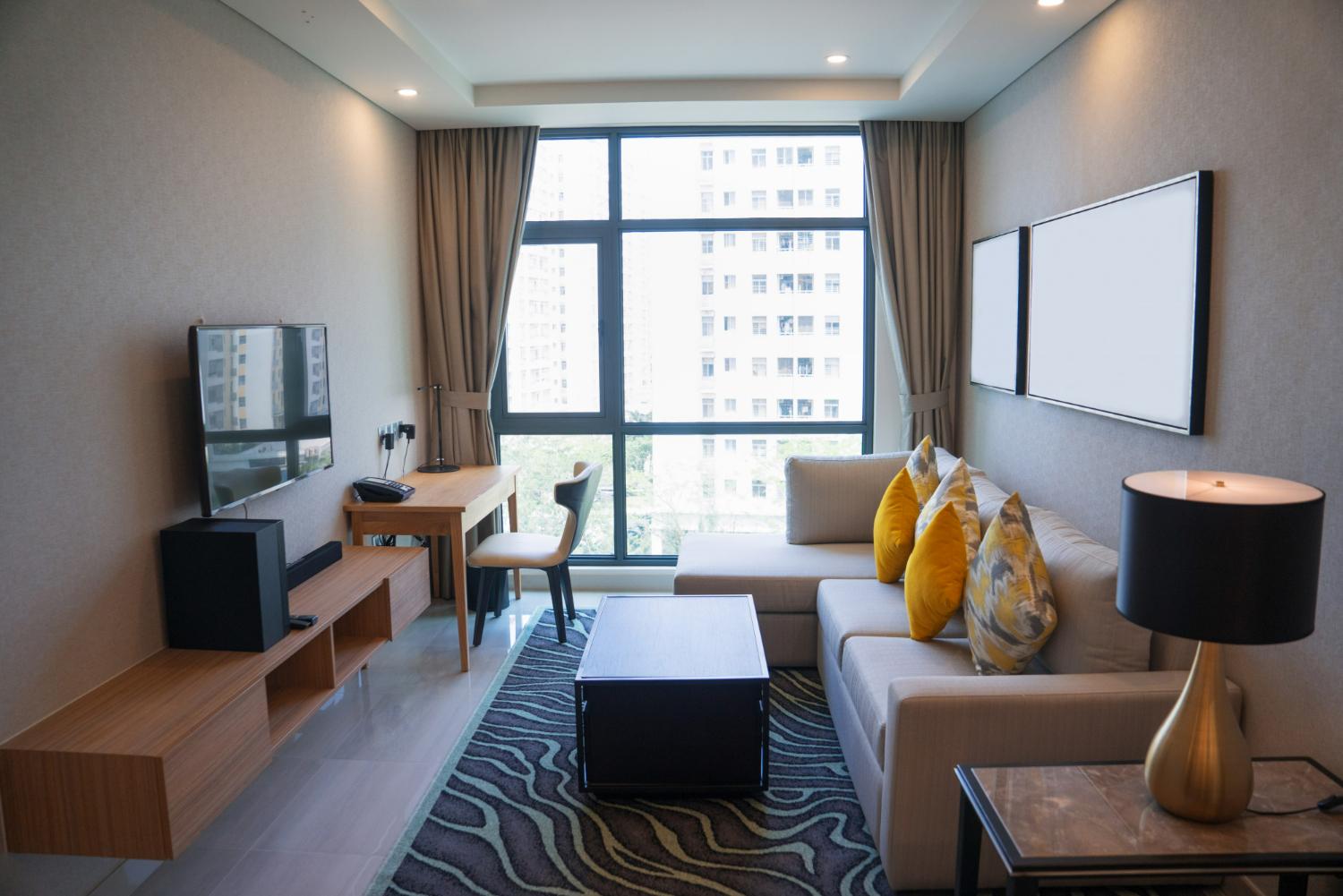
Streamlining your day also means batching communication to prevent context switching, ensuring that neither your client nor minor notifications disrupt your deep focus. For professionals living at Vista Shaw, keeping these boundaries firm allows for a seamless transition from a demanding corporate schedule to an upscale lifestyle right in the heart of the metro.

Image: https://www.magnific.com/free-photo/unrecognizable-businesswoman-sitting-desk-with-laptop-looking-calendar_5839532.htm
Streamlining Tasks and Communication Channels
Protecting your calendar from unnecessary meetings and endless digital discussions is an art that requires deliberate practice. When you isolate critical tasks and ensure that your efforts are genuinely adding benefit to your core projects, you eliminate the operational fluff that keeps most workers stuck at their desks. Learning to gracefully say no to sudden, non-essential requests protects your energy for high-impact responsibilities. Instead of allowing your schedule to drop into a disorganized state, you can keep a meticulous track of your progress, recognizing that managing your energy is the ultimate secret to workplace productivity.
Establishing Firm Spatial and Structural Triggers
Creating a highly productive workspace requires a clear understanding of your environmental triggers. When you structure your workspace around your specific goals, you can manage your daily obligations without feeling overwhelmed. It is absolutely vital to know when a task is sufficient, rather than falling into the trap of endless perfectionism. If a supervisor or boss forces additional workloads onto your plate without adjusting timelines, asking targeted questions about project urgency helps establish realistic expectations and shields your schedule from unexpected expansion.
Managing Team and Client Expectations
Maintaining open communication with your client and your internal team is a great help when managing a heavy workload. While it is always a pleasure to lend a supportive hand to colleagues, setting clear boundaries around your availability ensures that everyone respects your personal time. When a team operates with transparency, individuals can collaborate seamlessly without expecting coworkers to sacrifice their evenings. Protecting your personal hours is not about avoiding work; it is about building a sustainable professional framework where your commitment to excellence is matched by an equal commitment to your personal well-being.
Establishing an Ending Process to Leave the Office on Time Every Day
Successfully leaving the office on time requires an intentional, structured wrap-up ritual at the end of every day. To leave the office at your intended time, you must view the final hour not as an opportunity to start a new project, but as a period to tie up loose ends. Transitioning from professional duties to your personal life is a never-ending process that requires dedication. By setting a hard stop-work trigger 30 minutes before your day ends, you can start planning your departure smoothly. This deliberate habit ensures that you do not leave your desk in a state of chaos, providing the right fuel for a highly organized start the next morning.

Image source: https://www.magnific.com/premium-photo/side-view-smiling-young-woman-standing-outdoors_116301156.htm
Implementing the Structured Daily Ending Process
A highly successful departure routine depends on how well you prepare for the upcoming day. Taking the time to organize your priorities for the next day before you walk out the door prevents professional anxieties from lingering into your evening. Whether your company is guided by a traditional manager or a supportive, good boss, establishing a reliable shutdown routine ensures that no critical items are overlooked. This practice shifts your mindset from work mode to personal mode, allowing you to walk away from your desk with total confidence and absolute peace of mind.
Reclaiming Evenings for Family and New Adventures
Reclaiming your evening hours opens up a world of new adventures, personal hobbies, and quality moments with the people who matter most. Far too often, we see families torn apart by the pressures of exhausting corporate schedules, or young fathers passing by milestones in their children's lives because they are stuck under the office fluorescent lights. When a person decides to finish work at a reasonable hour, they gain a completely different view of what true success looks like. Spending your time with family, reconnecting with friends, and enjoying the comfort of home ensures that you return to work refreshed and fully energized.
Conclusion
Embracing a comprehensive guide to leaving the office on time is a fundamental step toward achieving a healthy, long-term work-life balance. Protecting your life balance is not a luxury; it is a vital necessity for your mental, physical, and emotional well-being. When you make a conscious choice to leave work at your designated time, you take full control of your schedule and protect your personal life from corporate burnout. By leaving the office on time every day, you cultivate a sustainable professional journey that honors both your career goals and your personal happiness, ensuring you thrive in all aspects of life.
.png)