
College is probably one of the few times in life when you're expected to have the time of your life while simultaneously preparing for the rest of it. You're supposed to make friends, discover new interests, pursue all the things you have been meaning to, build your résumé, maintain good grades, assume other responsibilities, and in the long run, figure out what kind of adult you want to become. And if your university happens to be in Metro Manila, you can throw unpredictable traffic, crowded schedules, and the occasional two-hour commute into the equation.
Remember when having more independence sounded like the best part of growing up? You could finally decide where to go after class, what to eat for dinner, and how late you wanted to stay up. What nobody really mentions is how quickly that freedom comes with responsibilities. Suddenly, you're managing deadlines and other appointment, coordinating group projects, remembering family commitments, and wondering why the weekend seems to disappear faster than the rest of the week.
The funny thing is that we are actually pretty good at making time for things that demand our attention. We remember examination schedules, submission dates, and even the exact hour an online sale begins. But ask yourself when you last reserved an afternoon for something you genuinely wanted to do, and the answer might require a little more thinking.
Perhaps we have become so focused on preparing for the future that we have forgotten we are supposed to enjoy the present, too. That is why to set time for yourself, to give it a little more attention it deserves, especially during a stage of life when there is so much to accomplish, experience, and figure out along the way, have many benefits that go a long way.
Making Time for Yourself Is More Than Just Another Self-Care Trend
If you have spent enough time on social media, you've probably encountered someone's very elaborate morning routine. It usually involves waking up before sunrise, drinking something green, journaling, exercising, preparing an aesthetically pleasing breakfast, and somehow finishing everything before eight in the morning. It is impressive, certainly, but watching someone accomplish more before breakfast than you do on a regular Tuesday can make self-care look suspiciously like another productivity competition.
And that is where we tend to misunderstand the whole concept.
Making time for yourself is not necessarily about adding more activities to your schedule. It is about having moments when your attention belongs to you instead of another responsibility. Some alone time. At times, that means doing something enjoyable, like reading, cooking, or exploring a new hobby. Other times, it simply means allowing yourself to rest after a demanding day without feeling obligated to accomplish something else.
There is a difference between being productive and feeling fulfilled, although we often treat the two as interchangeable. You can finish every assignment on your to-do list and still end the day feeling mentally exhausted. That is because maintaining your mental health and overall well-being involves more than completing tasks. You also need opportunities to recover, process your experiences, and enjoy everyday life outside your academic responsibilities.
There is a difference between being productive and feeling fulfilled, although we often treat the two as interchangeable. You can finish every assignment on your to-do list, attend all your classes, and complete every mundane task waiting for you at home, yet still feel mentally exhausted by the end of the day. That is because your day-to-day life involves more than accomplishing responsibilities. Making time for self-care allows you to recharge, explore personal interests, and develop a healthier relationship with your own expectations. These moments can support your mental health, reduce stress, improve your self-esteem, and remind you that your worth is not measured by how much work you finish.
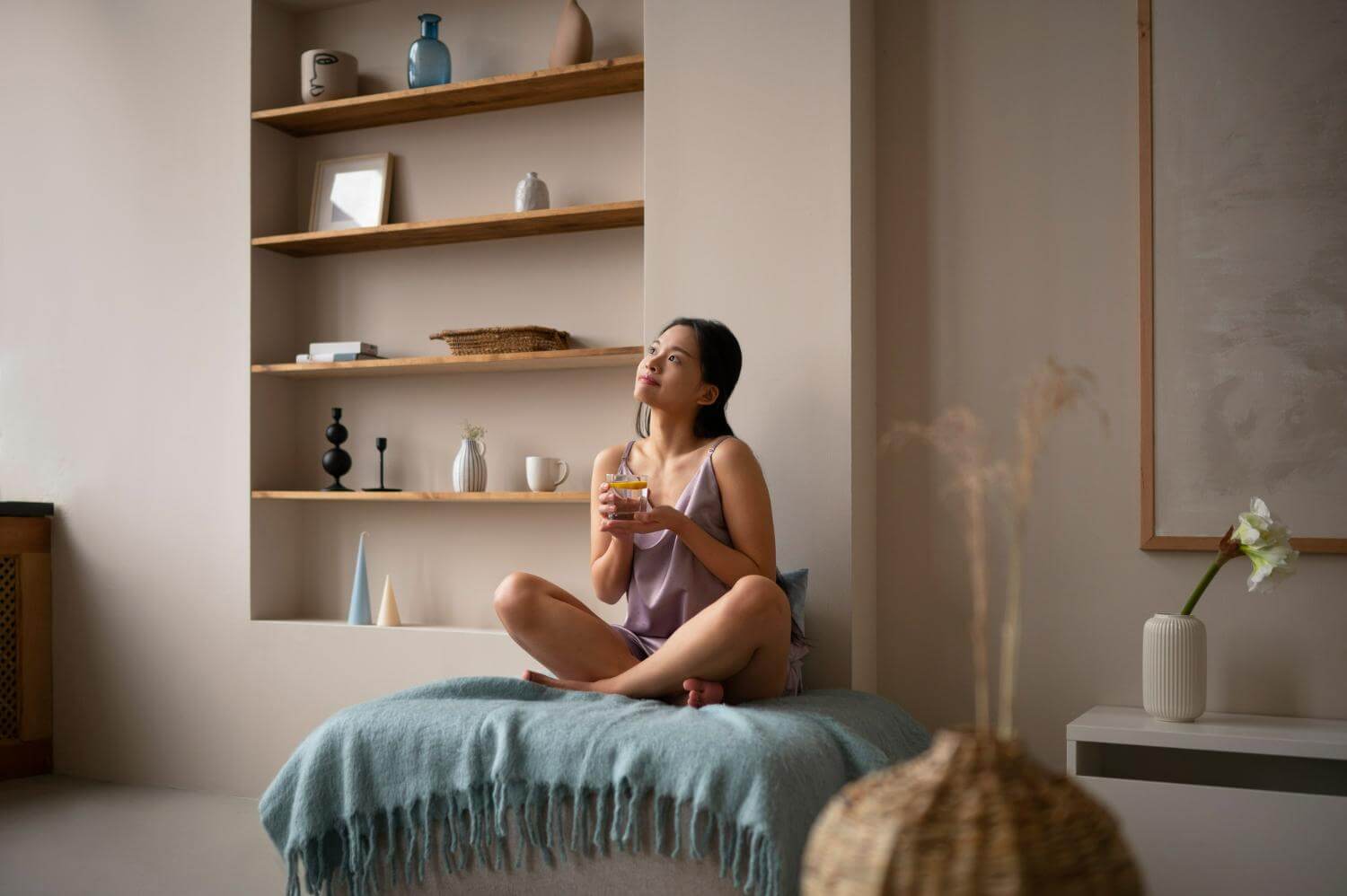
Why Me Time Shouldn't Come With a Side of Guilt
Have you ever spent an entire afternoon watching your favorite series, only to feel slightly guilty afterward because you could have used those hours to study? Or maybe you've declined an invitation because you needed a quiet evening at home, then spent the next hour wondering whether you should have gone anyway.
If that sounds familiar, you've probably experienced how difficult it can be to enjoy free time when you are accustomed to having a busy schedule. Even when there's nothing particularly urgent to accomplish, your mind finds something else that deserves attention.
For many students, the pressure to remain productive begins long before college. We are encouraged to perform well academically, participate in extracurricular activities, develop useful skills, and prepare ourselves for future opportunities. These are worthwhile goals, but constantly measuring our time through accomplishments can make ordinary rest feel strangely undeserved.
This is where self-compassion becomes particularly important. Imagine your closest friend telling you they are exhausted after a week of examinations and barely getting enough sleep. You probably would not suggest that they spend their only free afternoon reviewing another subject. You would encourage them to rest, enjoy something they like, and take care of themselves. Interestingly, we're not always as generous when evaluating our own needs.
Feeling guilty about self-care is also common among people who are accustomed to prioritizing others, particularly women who may experience additional expectations around being available, accommodating, and responsible. Increasing self-compassion means recognizing these pressures and questioning the belief that personal time needs to be earned.
Taking time for yourself does not mean neglecting schoolwork, avoiding responsibilities, or becoming unavailable to your friends and family. In fact, giving yourself opportunities to recharge can improve your mood and reduce the resentment that sometimes develops when you continuously place everyone else's needs ahead of your own.
How to Find Time for Yourself When Your Free Time Seems to Have Disappeared
College schedules have a funny way of making time feel inconsistent. On some days, you're finished with classes before lunch and have an entire afternoon to explore. On others, you're moving between lectures, organization meetings, and group discussions while calculating whether you have enough time to grab something to eat.
The challenge is not always that you have absolutely no personal time. Sometimes, your available hours are scattered throughout the day, making them harder to recognize and enjoy. Understanding how you spend those hours can help you build a routine that accommodates your responsibilities without completely taking over your life.
Start Small by Understanding Your Daily Life
Before downloading another productivity application or buying a planner that promises to organize your entire existence, try observing how you normally spend your week. Pay attention to your classes, study sessions, household chores, commuting hours, and the other activities that occupy your time.
You might discover that certain routines take longer than expected. Maybe you spend thirty minutes deciding what to eat every evening, or perhaps you regularly lose an hour scrolling through your phone after promising yourself you'd only check one notification. These habits aren't necessarily problems, but recognizing them can help you identify where a little time could be used more intentionally.
For example, if you consistently have an hour between classes, you could occasionally spend it reading something unrelated to school, taking a short walk, or catching up with a friend. If your evenings are generally less demanding, you might reserve some time for listening to music, preparing a meal you enjoy, or simply relaxing before bed.
You do not need to account for every minute, either. Turning your daily life into a carefully monitored timetable can become exhausting in itself. The purpose of understanding your schedule is to identify realistic opportunities for personal time, not to eliminate every spontaneous moment.
Your Lunch Break Deserves More Than Another Deadline
Somewhere along the way, eating while working became an unofficial student survival skill. You have probably seen someone reviewing lecture slides while finishing a rice meal, typing a group project update between bites, or watching a recorded discussion while waiting for their order at the cafeteria. You might even be that person.
Multitasking can be helpful when deadlines are approaching, but it should not be the default setting for every part of your day. Your lunch break is one of the few opportunities to step away from academic responsibilities without having to rearrange your entire schedule.
Try enjoying your meal without automatically reaching for your laptop. You can spend time with friends, listen to your favorite playlist, or find somewhere comfortable to sit before your next lecture. If you are studying near Manila's University Belt, even a change of scenery at a nearby café can make an ordinary afternoon feel a little more enjoyable.
Of course, some days will be busier than others, and occasionally working through lunch might be unavoidable. But treating every available moment as another opportunity to study can leave you feeling drained long before the day ends. Giving yourself a proper break may help you return to your next activity with better focus and energy.
Make Time for Yourself by Putting It on Your Calendar
Here is something worth considering: We rarely forget the appointments that have consequences when we miss them. Examinations, enrollment schedules, presentations, and organization meetings usually make it onto our calendars immediately. Meanwhile, the things we actually look forward to doing are often left with the vague promise that we'll get around to them someday.
If you have been wanting to finish a book, explore a new hobby, or spend a quiet afternoon somewhere, consider giving that activity an actual place in your schedule.
You could reserve Friday evenings for watching movies, Sunday mornings for visiting a nearby café, or an hour during the week for exercising. Think of it as setting another appointment, except this one doesn't require preparing a presentation or reviewing your notes beforehand.
Scheduling personal time increases the likelihood that you'll follow through, especially when other demands tend to fill your calendar. It can also encourage you to plan your academic responsibilities more realistically. Knowing you've reserved Saturday afternoon for yourself, for example, might motivate you to begin an assignment earlier rather than leaving everything until the weekend.
There is no need to become overly strict about it. Plans change, unexpected responsibilities appear, and sometimes you'll simply feel like doing something different. The goal is to create opportunities for yourself without turning relaxation into another obligation.

Image source: https://www.magnific.com/premium-ai-image/woman-relaxing-home-couch-using-phone_303858553.htm
Set Boundaries Without Feeling Like You're Disappointing Everyone
One of the more interesting things about college is how quickly your social calendar can become just as demanding as your academic one. There's always someone inviting you to dinner, planning a weekend activity, asking for help with an assignment, or organizing a meeting that apparently cannot happen at any other time.
And while having an active social life is one of the best parts of being a student, constantly agreeing to everything can become exhausting. You might genuinely enjoy spending time with your friends while also wishing you had an evening when nobody expected you to be anywhere.
Learning to set boundaries begins with understanding that your availability has limits. You can care about your friends, participate in organizations, and contribute to group projects without feeling responsible for accommodating every request.
For example, if you're working on a group presentation, agree on reasonable hours for communicating and completing tasks. That way, everyone knows when to expect updates without feeling pressured to remain online throughout the evening. If a friend invites you somewhere but you're already exhausted, it's perfectly reasonable to suggest another date.
You can also establish boundaries within your own home environment. If you live with roommates or family, communicating when you need uninterrupted study time or a few moments alone can help avoid misunderstandings. Sharing household chores and discussing everyone's schedules may also create a more comfortable arrangement for the people living together.
And while we're talking about boundaries, your phone deserves a mention. It's difficult to enjoy personal time when every notification makes you feel like something urgently requires your attention. Silencing unnecessary alerts, temporarily putting your phone away, or simply deciding when you'll respond to messages can make your breaks more meaningful.
Setting boundaries isn't about distancing yourself from other people. It's about maintaining enough balance to enjoy your relationships and responsibilities without constantly feeling stretched between them.
Creating Space for Yourself When You're Feeling Overwhelmed
There are weeks when even the most organized student begins questioning the laws of time management. Your professors have somehow scheduled three major requirements within the same two days, your group presentation needs revisions, and you've been meaning to do your laundry since the weekend. By Thursday, the idea of having free time sounds like something that belongs in a different academic semester.
During these periods, making time for yourself can genuinely feel impossible, and it's important to acknowledge that not every schedule has the same flexibility. Students who work part time, manage family responsibilities, or travel long distances to campus may have considerably less control over their hours.
Rather than forcing yourself to squeeze another activity into an already demanding day, begin by identifying what actually requires your immediate attention. A useful approach is to distinguish urgent tasks from those that can reasonably wait. If an examination is tomorrow, studying should probably take priority over reorganizing your entire bedroom.
For larger assignments, breaking the work into smaller steps can make the process more manageable. Instead of viewing a research paper as one enormous responsibility, begin with gathering references, developing an outline, or writing a particular section. Completing tasks in stages can provide a clearer sense of progress without requiring you to accomplish everything in one sitting.
You can also simplify recurring responsibilities where possible. Preparing a few meals in advance, completing errands in one trip, or coordinating chores with roommates may free up small pockets of time throughout the week. These adjustments are particularly helpful when your schedule is already crowded with activities you cannot easily move.
And when you genuinely need a break, remember that it doesn't have to be elaborate. Taking a few deep breaths, stepping outside for a quiet walk, or allowing yourself fifteen minutes away from your screen can provide a temporary change of pace. Short moments of rest won't eliminate every source of stress, but they can help you manage demanding days without completely overlooking your own needs.
Your Self-Care Routine Should Actually Feel Like Something You Enjoy
Can we talk about how even hobbies seem to come with expectations now? You start reading because you enjoy books, and suddenly you're seeing recommendations to finish fifty titles in a year. You begin exercising to feel better, and before long, you're comparing progress trackers and workout schedules. Even journaling somehow comes with an entire collection of techniques designed to maximize personal growth.
There's nothing wrong with wanting to improve at something, but not every activity needs to become another achievement.
Part of making time for yourself involves rediscovering interests that exist simply because you enjoy them. Maybe you used to spend afternoons drawing, experimenting with photography, playing an instrument, or reading novels that had absolutely nothing to do with your coursework.
You might also find that your interests have changed. That's one of the more exciting parts of growing older. You get to discover different things about yourself without having to commit to every interest permanently.
If you have been curious about pottery, cooking, painting, or learning a new language, consider exploring it without immediately deciding whether you'll be good at it. Try a workshop, borrow a book, watch a tutorial, or spend an afternoon practicing simply because the process interests you.
And if you are more interested in relaxing than learning something new, that's equally valid. An afternoon spent watching your favorite series, listening to an album, or going on a casual date can be a wonderful use of your personal time.
Of course, different activities restore energy for different people. Someone who spends most of their week studying alone may enjoy meeting friends, while another person who regularly attends social gatherings might prefer spending an evening at home.
Recognizing these preferences is part of taking care of yourself. Instead of copying someone else's definition of the ideal routine, pay attention to what helps you feel more comfortable, interested, and refreshed.
Taking Care of Your Mental Health Begins With Everyday Habits
While spontaneous activities and weekend plans can make life more enjoyable, maintaining your mental health also involves paying attention to the less exciting parts of your routine. Getting enough sleep, eating regularly, moving your body, and making room for rest might not sound particularly revolutionary, but these habits influence how you feel throughout the day.
Sleep is a good example. Most adults benefit from approximately seven to nine hours of sleep each night, yet it is often the first thing students sacrifice when academic responsibilities become demanding. Staying awake to finish an assignment might occasionally be necessary, but consistently losing sleep can affect concentration, memory, mood, and the ability to manage stress.
And yes, an iced coffee can make an early morning lecture slightly more bearable, but it cannot replace an entire night of proper rest.
If you notice that your schedule regularly interferes with sleep, consider whether certain activities can be moved earlier in the day. You might also find it helpful to establish a more consistent bedtime, reduce distractions before sleeping, or create a comfortable environment where you can unwind after studying.
Physical activity can be another useful part of your routine. You don't necessarily need a gym membership or a complicated exercise plan. Walking around campus, taking the stairs when practical, or exploring a nearby park can help introduce movement into your day.
It is also important to recognize when ordinary stress begins affecting your ability to function. While self-care can help with everyday stress and anxiety levels, persistent difficulties with sleep, concentration, mood, or overwhelming emotions may require additional support. Reaching out to someone you trust, a university guidance counselor, or a qualified mental health professional is another meaningful way of taking care of yourself.
The most sustainable routines are usually the ones that acknowledge your actual circumstances. You don't have to accomplish every wellness recommendation you encounter online, especially when trying to do so would leave you with even less time to enjoy your day.

How Your Living Space Can Help You Make More Time for Yourself
There's another part of time management that rarely receives enough attention, especially when you are attending university in Metro Manila: The amount of time your surroundings require from you.
Think about how much planning goes into a regular school day when you live far from campus. You have to consider traffic conditions, public transportation schedules, the weather, and how early you need to leave to avoid being late. Even when classes end ahead of schedule, getting home can become another lengthy part of the day.
Anyone who regularly travels through Manila during rush hour knows how easily a relatively short journey can consume an entire afternoon. And when you finally arrive home, you might have just enough energy to eat dinner, finish an assignment, and prepare for tomorrow.
This is why choosing where to live can have a significant influence on your everyday routine.
For students studying around Manila's University Belt, Katipunan, and other major educational districts, living closer to campus can make academic responsibilities easier to manage. Shorter travel times may create more opportunities to rest between classes, prepare meals at home, participate in campus activities, or enjoy nearby establishments without having to plan around a lengthy commute.
A comfortable living environment can also help you establish clearer boundaries between studying and relaxing. Having a designated workspace, an organized living area, and convenient access to everyday necessities makes it easier to maintain routines that support both productivity and personal comfort.
This is part of the contemporary urban lifestyle reflected in Vista Residences, a condominium brand under Vista Land with developments located near major universities and other strategic destinations across Metro Manila.
Properties such as Vista Recto near Manila's University Belt and Vista Pointe along Katipunan offer residential options in communities where education, transportation, commercial establishments, and lifestyle conveniences are within reach. For college students and young professionals, this kind of accessibility can help make daily responsibilities more manageable while providing greater flexibility to pursue personal interests.
Of course, convenient living doesn't automatically guarantee a balanced schedule. You'll still need to decide how to use the time available to you. But when your surroundings support your everyday needs, you may find that enjoying a little more personal time becomes less complicated.
Making Time for Yourself Means Enjoying the Life You're Already Living
College is an exciting time to be ambitious. You're developing skills, discovering opportunities, building friendships, and making decisions that can influence the direction of your future. It's understandable to want to make the most of these years, especially when so many possibilities are beginning to open up.
But there is a difference between making the most of your college experience and feeling obligated to accomplish something every waking hour.
Not every afternoon needs to improve your résumé, and not every weekend needs to involve something extraordinary. Some of your favorite memories might come from unexpectedly long conversations with friends, trying a new restaurant after class, or spending a perfectly ordinary Saturday doing something you've always enjoyed.
Making time for yourself allows you to experience these moments without constantly measuring their usefulness. It encourages you to build a life that includes your interests, relationships, and personal well-being alongside your academic and professional goals.
And perhaps that's one of the more valuable lessons you can learn before graduating. Managing your time isn't simply about getting everything done. It's also about understanding what deserves a place in your life and being comfortable enough to make room for it.
Your future deserves your attention, certainly, but there's a lot worth enjoying before you get there. So the next time you find yourself with a free afternoon, maybe you do not need to immediately figure out how to make it productive. You already have enough things scheduled. Give yourself something to look forward to, too.