If you have spent the past year scrolling through property listings, listening to friends talk about investments, or quietly wondering if you should already own something by now, you are not alone. These conversations come up casually, usually over coffee, family dinners, or group chats that start with jokes and end with serious questions about the future.
These discussions usually circle back to the same things. Stability. Timing. Value. The kind of investment that feels practical rather than risk. That is why investing in a university condo in 2026 is becoming a serious topic among buyers who want to make decisions that hold up over time.
University areas tend to come up often in those talks with discussion on the following factors. Someone mentions steady renters. Someone else brings up how their cousin never had trouble leasing out a unit near campus. Then the topic shifts to timing, prices, and whether now is actually a smart move.
That is where investing in a university condo in 2026 enters the picture. Not as a bold gamble or risk, but as a practical option grounded in demand, location, and long-term thinking. In a real estate market shaped by recent changes, this segment continues to attract attention for reasons that go beyond wealth and trends.
The Student Housing Sector and Real Estate Investment in 2026
The student housing sector has been shaped by how the past few years reshaped the broader real estate sector. While some property segments slowed down or shifted direction, student housing demand is expected to remain active. Campuses reopened. Face-to-face learning returned. Students came back to the city, and with them came the need for nearby housing.
This consistency is what makes student housing investments stand out and sell in the current real estate investment landscape. Unlike the office sector, which continues to adjust to hybrid work and changing occupancy, student housing follows academic calendars that repeat year after year. For investors, that rhythm creates a sense of predictability that is increasingly valuable.
The student accommodation market also benefits from having a clearly defined audience. Students need housing close to campus. Parents prioritize safety and convenience. Property owners look for steady tenant demand. When these needs align, the conversation around investing in a university condo in 2026 becomes more grounded, practical, and focused on long-term value.

Student Housing and Why Demand Holds
Student housing demand is not just driven by enrollment numbers. It is also shaped by lifestyle expectations. Many students today want privacy, security, and independence while staying close to campus. Parents often look for condominium living because it offers controlled access, building management, and peace of mind.
Over the past few years, these preferences have become more noticeable. Even during periods of economic uncertainty, student housing demand did not disappear. It adjusted, but it remained. That resilience has kept student housing investments relevant while other segments recalibrated.
When housing supports both academic life and daily comfort, occupancy tends to stay steady across school years.
Student Housing Investments in Metro Manila
When people talk about student housing in the Philippines, Metro Manila naturally sits at the center of the conversation. Most major universities and colleges are located here, many of them clustered in academic zones that Filipinos instantly recognize. These areas have shaped how students live, commute, and choose where to stay for decades.
Manila itself remains a core hub for higher education. Campuses here attract students from all over the country. For families coming from the provinces, living close to school is not just convenient. It is practical. Shorter travel time, safer routes, and easier access to daily needs matter, especially for students adjusting to city life for the first time.
Quezon City adds another layer to the student housing sector. With several universities spread across the city, student housing demand stays active throughout the year. Condominiums near campuses here often attract not only students but also young professionals connected to education, review centers, and nearby offices.
Makati City, while widely known for its business districts, also plays a role in the student accommodation market. Colleges and training institutions in the area draw students who want to stay close to both school and early career opportunities. This mix helps support tenant demand beyond a single academic calendar.

By Patrickroque01 at English Wikipedia, CC BY-SA 3.0, https://commons.wikimedia.org/w/index.php?curid=63564015
What keeps Metro Manila strong is how education, transport, and everyday convenience intersect. Rail lines, jeepney routes, food spots, and essential services grow around campuses over time. For property owners and investors, this ecosystem supports demand in a way that feels familiar and dependable. School zones stay active. Parents look for safe options. Students look for independence without being too far from everything they need.
Flexible Payment Terms and Market Conditions
Flexible payment terms have made property investment more accessible, especially for buyers entering the market for the first time. Many developers now offer financing structures that allow buyers to manage capital gradually rather than committing everything upfront.
Interest rates remain part of the decision-making process. Understanding how interest rates affect financing helps investors plan more clearly and avoid rushed choices. While prices have shifted since pre-pandemic levels, recent developments show that well-located university condos continue to hold value.
In some areas, unsold units also create opportunities for buyers who take time to research, compare deals, and consult professionals before making a move.
Real Estate Investment in a Shifting Sector
The real estate sector continues to evolve. Property values respond to supply, demand, and broader economic conditions. What sets student housing investments apart is their connection to education, an industry that continues regardless of trends.
While some sectors depend heavily on corporate expansion or tourism, student housing is anchored in a consistent need. Students need places to live near campus. That need renews itself every academic year.
For many investors, this makes student housing an appealing part of a long-term real estate investment strategy focused on stability rather than speculation.

Track Record, Research, and Long Term Value
A solid track record matters when choosing where to invest. Looking at past projects, recent developments, and how companies deliver over time provides insight into quality and reliability.
Research plays a critical role. Data on tenant demand, property values, and campus proximity help investors understand which developments are positioned for long term value. Location, unit quality, and thoughtful design all influence how properties perform in the resale and rental market.
Investors who take time to visit sites, review plans, and consult professionals often feel more confident in their decisions.
Why 2026 Feels Like a Time to Invest
For many buyers, 2026 feels like a moment of clarity. Education has stabilized. Mobility has returned. The market has adjusted to recent changes. Technology continues to shape how properties are managed and marketed.
This creates a golden opportunity for those who prepare and plan. Investing in university condo in 2026 allows buyers to respond to current demand while positioning assets for future growth.
The time to invest rarely announces itself clearly. It often becomes obvious later, when preparation meets opportunity.
Simple Tips When Choosing a University Condo Investment
Start with who will live there
Students typically prioritize convenience over size. Walking distance to campus, access to public transport, nearby food spots, and everyday essentials often matter more than extra space. A location that supports daily student routines tends to attract steady tenant demand.
Look beyond the campus gates
University areas grow over time. Review centers, cafes, bookstores, and transport links often develop around schools. These surrounding elements influence long-term value and help keep a property relevant years after purchase.
Pay attention to the payment structure
Flexible payment terms can make property investment more manageable, especially for first-time buyers. Understanding financing options, projected monthly costs, and the impact of interest rates helps prevent pressure later on.
Check the developer’s track record
Past projects, build quality, and long-term maintenance say a lot about what ownership will feel like. Well-maintained developments tend to hold value better and attract more consistent tenants.
Visit, observe, and take your time
Set a date for your physical visit. Walk the area. Notice how students move through the neighborhood. See how the building fits into the community. Research, ask questions, and consult professionals when needed. Good investment decisions are rarely rushed.
University condo investing continues to appeal to buyers who value practicality, location, and long-term relevance. Student housing remains one of the few segments where demand is tied to a recurring cycle rather than a passing trend. When you pair that with carefully chosen developments in key areas of Metro Manila, the appeal becomes clearer.
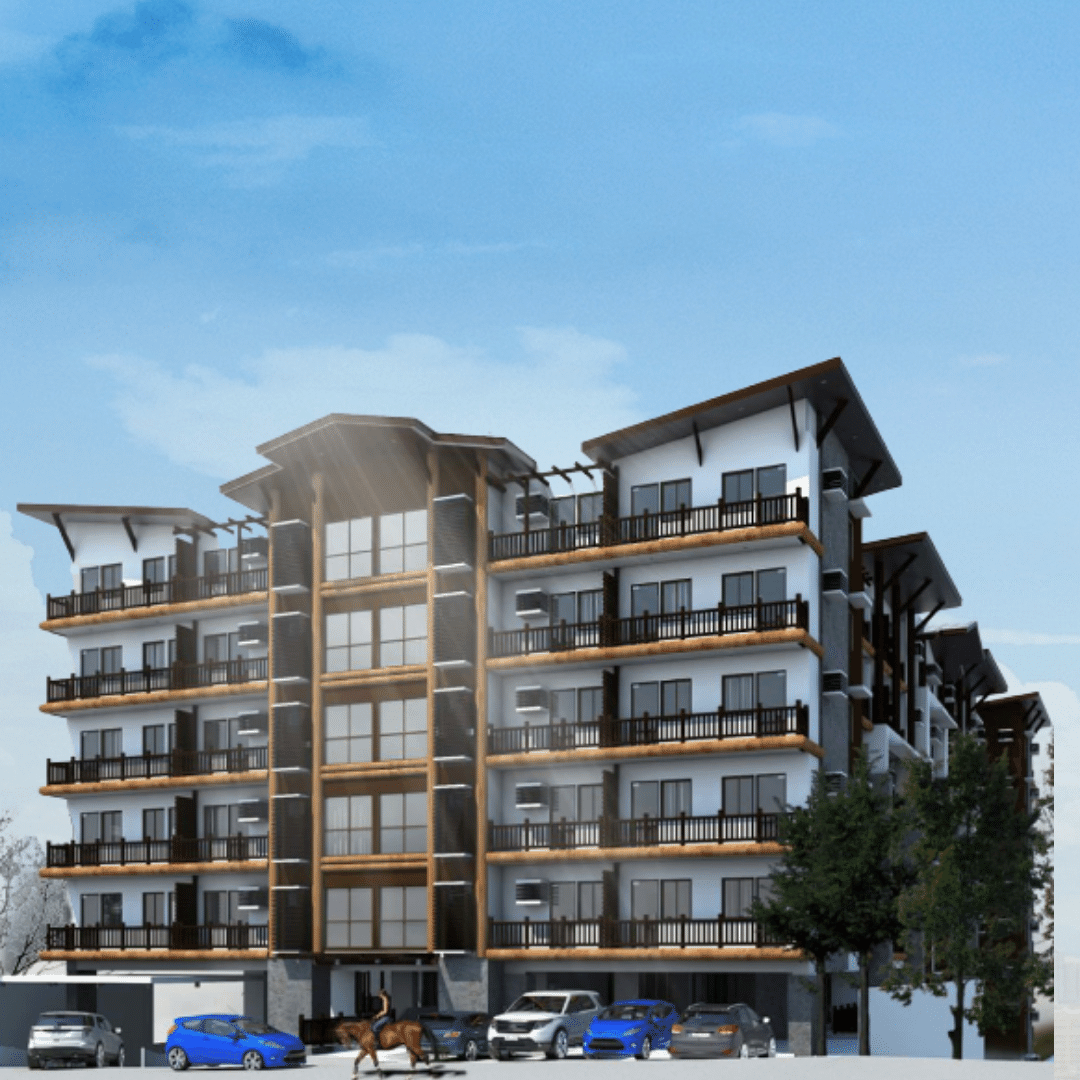
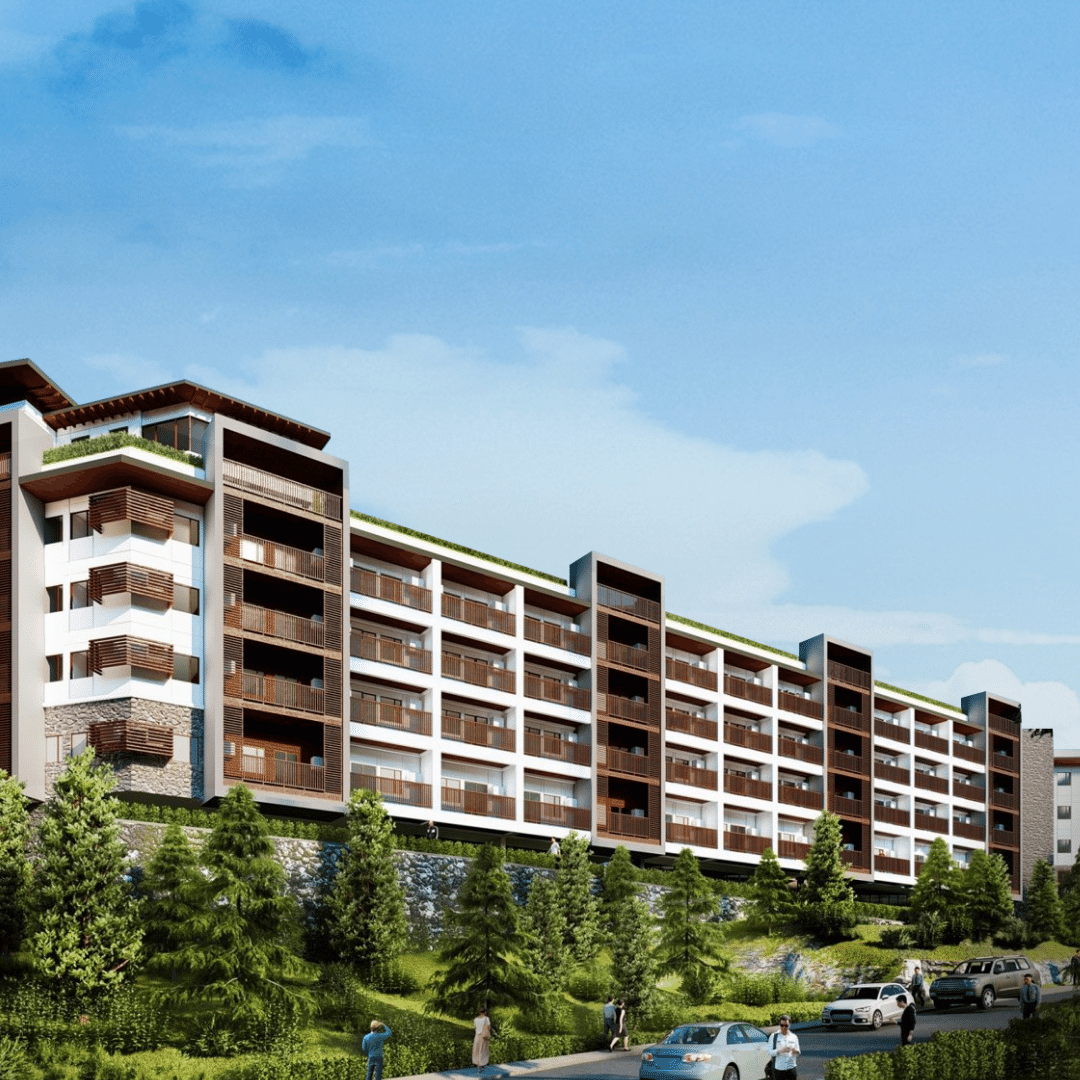
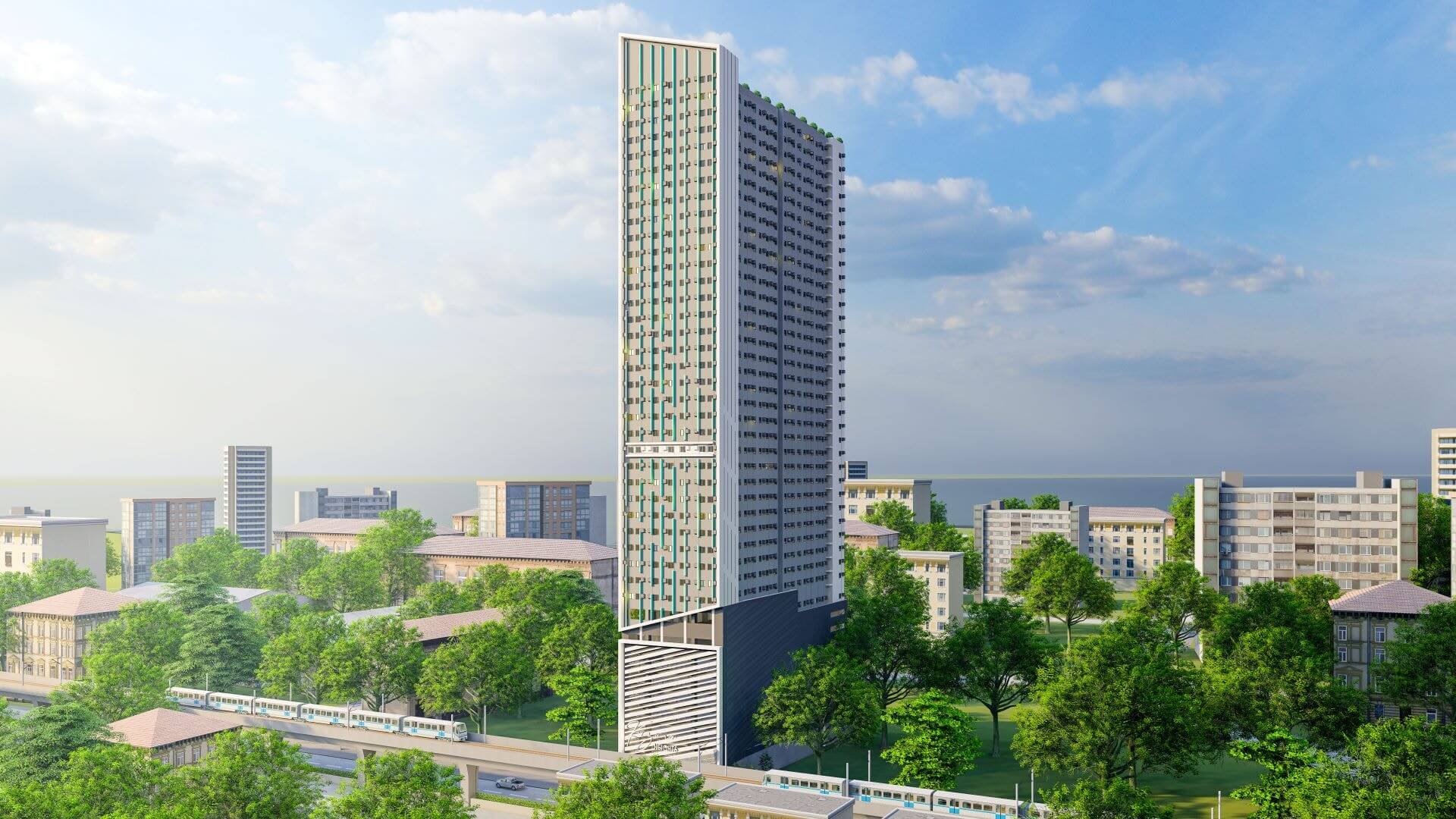
For those exploring current opportunities near campuses, there are real examples in the market that reflect thoughtful planning and strong fundamentals. Projects that have drawn attention this year include Kizuna Heights near key university areas, Kinsan Heights, a rising residence attracting students and young professionals alike, SkyArts Manila, and Hawthorne Heights, both well-positioned for demand from students and their families. Each of these developments highlights how location, accessibility, and everyday ease can come together in ways that support both lifestyle and investment goals.
These properties are not just names on a page. They represent how smart living spaces are evolving for people who want convenience without compromise and investment with purpose. Sometimes, the smartest decisions are the ones that quietly make sense long after the conversation ends.
.png)