Let’s be honest for a second. Nobody wakes up excited to network. But there is a point in your life when you realize that doing good work is not always enough. You can be consistent, capable, and productive, but somehow opportunities still seem to circulate around people who are simply more connected. Not louder. Not necessarily more talented. Just better positioned in conversations, communities, and professional spaces.
This is usually when networking stops sounding like a buzzword and starts feeling a bit "personal."
In a post-digital world, networking no longer looks like awkward handshakes or scripted elevator pitches. It looks like conversations that continue online, ideas exchanged through messages, and connections that build slowly over time. For Millennials and older Gen Z professionals who grew up online but now work in very real professional environments, networking sits somewhere between digital fluency and human connection. It is a skill that quietly shapes careers, job opportunities, and long-term growth, especially in a post-digital world where work happens across screens, offices, and timelines that do not always overlap.
If you are in your mid twenties to early thirties, balancing career goals, side projects, and very real adult responsibilities, networking is no longer optional. It is part of how you move forward, even if it does not always feel obvious.
Hybrid Networking and How People Actually Connect Today
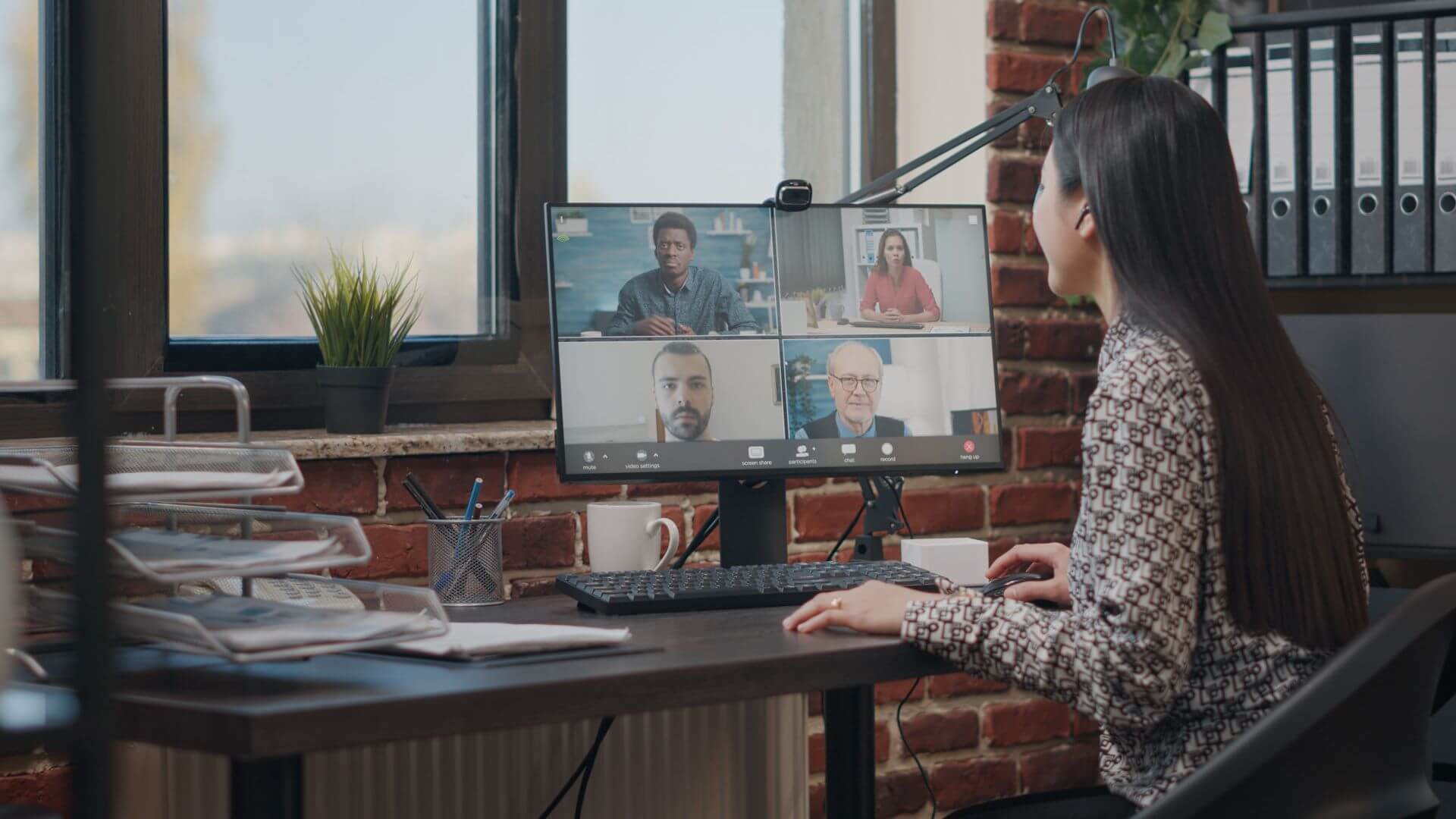
Nowadays, "meeting someone" doesn't necessarily mean shaking their hand while introducing yourself. You can meet someone at work, connect on LinkedIn, react to their post months later, and then end up collaborating down the line. Relationships are built across platforms, conversations, offices, and coffee breaks. This mix of online and offline interaction creates flexible network solutions that reflect how people actually live and work.
Remote and hybrid setups have also changed expectations around presence. You are no longer measured by how often you show up physically, but by how well you communicate, follow through, and stay engaged over time. Communication skills matter more than proximity. Being clear, responsive, and consistent now carries more weight than simply being visible.
Ways to Practice Effective Networking and Support Remote Connections
Effective networking today is less about constant visibility and more about staying connected in ways that feel sustainable. With remote and hybrid work now part of everyday life, professional relationships often exist across time zones, platforms, and schedules that do not always overlap. The challenge is not starting conversations, but maintaining them without forcing interaction or burning out.
Supporting remote connections starts with communication habits that feel natural rather than transactional. Checking in occasionally, responding with context instead of quick reactions, and following through on small promises all signal reliability. These actions build trust over time, especially in professional environments where people rarely meet in person. Effective networking happens when communication feels thoughtful, not rushed, and when both sides feel seen rather than managed.

Technology plays a role here, but intention matters more. Messaging platforms, social media, and video calls make it easier to stay in touch, but they only work when used with purpose. Sharing relevant updates, sending a follow-up message after a meaningful conversation, or passing along valuable content helps remote connections stay active without requiring constant engagement. Over time, these small touchpoints create strong connections that hold even when distance and schedules get in the way.
The goal is not to stay in constant contact, but to stay present. When remote connections feel supported, networking becomes less about effort and more about continuity, which is where long term professional relationships actually grow.
Why Networking Remains Essential in the Modern Workplace
In today’s workplace, networking is no longer a soft skill you pick up on the side. It is an essential ability that shapes how professionals advance, collaborate, and stay relevant. Careers now move across teams, organizations, and even industries, which means the way you connect with people matters just as much as the work you produce.
Effective networking requires intentional strategies. It starts with doing the research, understanding who you want to learn from, and being clear about the expertise you are developing. Whether you are working with clients, internal teams, or external partners, relationships help systems function better. They support smoother integration between roles, ideas, and goals, especially in environments that rely on collaboration and fast decision making.
As careers progress, networking also becomes a way to access guidance and perspective. A mentor can offer advice that helps you develop confidence, avoid common challenges, and make better decisions when stakes are higher. These relationships are not built overnight, but they scale over time. Strong networks support long term growth, allowing professionals to leverage connections as opportunities expand and responsibilities increase.
In a post digital world, networking systems need to support deployment and scalability as much as personal connection. The ability to integrate relationships into your workflow, rather than treat them as separate tasks, is crucial. When networking is approached this way, it becomes less about effort and more about alignment, helping professionals move forward with clarity and purpose.
It's Still Okay to Attend Networking Events
Yes, networking events still matter, just not in the way they used to.
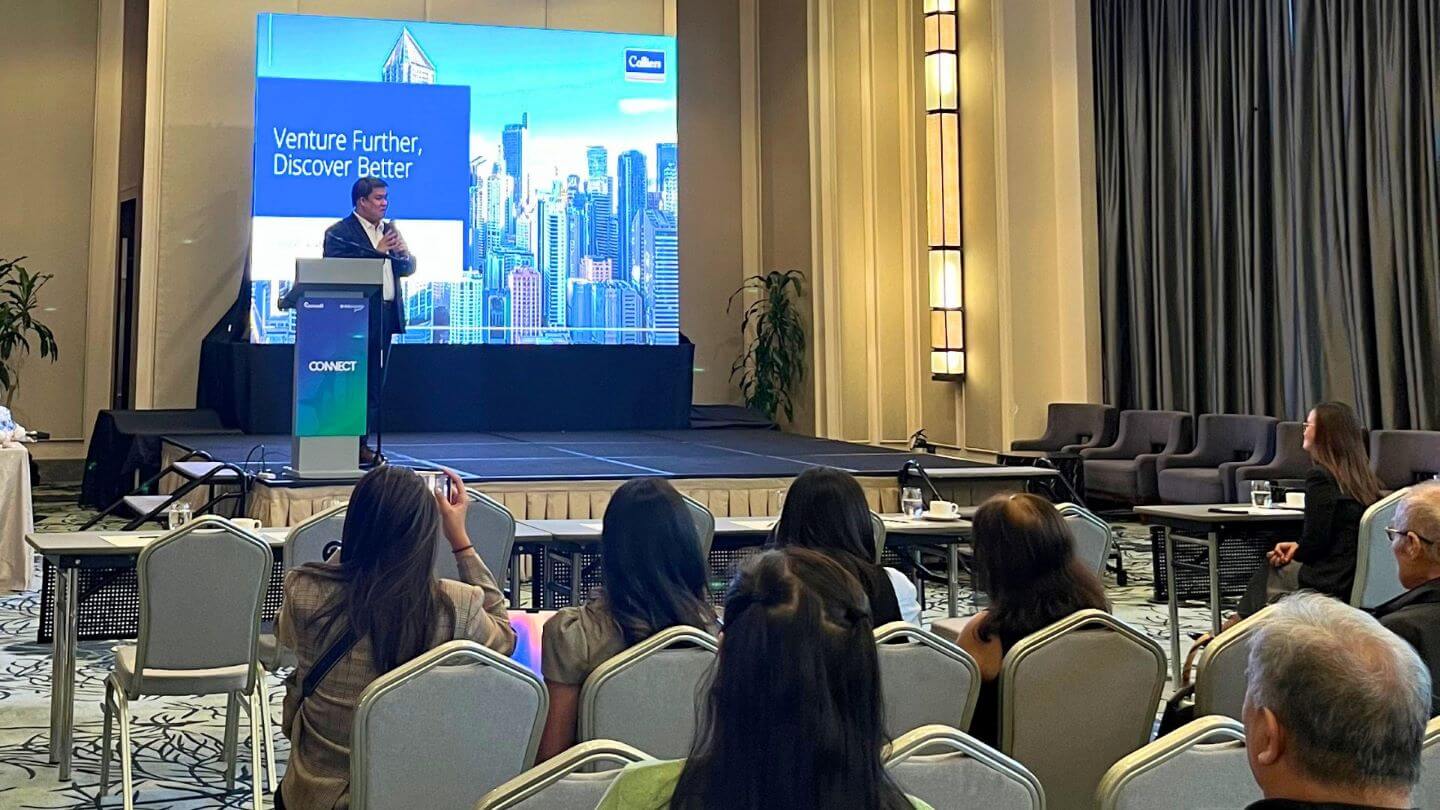
People continue to attend networking events to meet contacts, explore job opportunities, and learn from others in their field. What has changed is the energy. There is far less interest in polished elevator pitches and far more appreciation for conversations that feel real.

Effective networking in these spaces comes from asking relevant questions, listening actively, and making eye contact. It is less about impressing everyone in the room and more about making a positive impression with a few people you actually connect with. A professional environment rewards presence over performance.
Attending networking events with curiosity instead of pressure makes the experience easier and far more useful.
Building a Professional Network Over Time
A professional network is not built overnight, and it is definitely not built by reaching out to everyone all at once.
Making contacts happens gradually. It happens when you show genuine interest, follow through when you say you will, and stay open to conversation without expecting immediate returns. Small moments of connection add up over time.
A thoughtful follow up message that references something you talked about can turn a brief interaction into a long term relationship. These are the kinds of connections that later lead to mentorship, collaboration, or new job opportunities when the timing finally aligns.
Personal Brand as Consistency
Personal brand does not have to mean self promotion.
In reality, it is about consistency. It is how you communicate, what you focus on, and how you show up across different situations. In a professional environment, people notice patterns more than perfection. They remember who contributes thoughtfully, who shares valuable content, and who engages without forcing attention.
Social media plays a role here, but only when used intentionally. Sharing ideas, insights, or experiences that reflect what you are learning helps keep you visible in a way that feels natural. When personal branding is done well, it supports effective networking without feeling curated or performative.

The Role of Listening in Professional Relationships
Listening is one of the most underrated skills in networking.
Listening actively changes the tone of conversations. It helps you ask better questions, understand different perspectives, and respond with more context. In fast-paced professional settings, feeling heard leaves a lasting impression.
This is often where networking stops feeling transactional. Conversations become more useful, relationships feel more balanced, and connections grow stronger over time.
Technology, Platforms, and Smarter Ways to Connect
Technology has reshaped how professionals connect, but it has not replaced the human side of networking. Artificial intelligence now supports networking through smarter platforms, better data, and improved connectivity. From job matching tools to content discovery, technology helps surface opportunities faster. Social media platforms make it easier to stay in touch, share ideas, and maintain professional relationships across distances.
Still, tools only enhance what you already bring to the table. Communication, credibility, and trust remain personal responsibilities. Technology supports productivity and reach, but relationships are built through consistency and engagement.
Staying Engaged as Opportunities Take Shape
New opportunities rarely arrive fully formed.
They often begin as conversations, introductions, or shared ideas that slowly evolve. Staying engaged, maintaining relationships, and being open to learning makes it easier to recognize these moments when they appear.
Networking supports career growth because it connects people, ideas, and resources over time. It helps professionals navigate changes, explore new directions, and move forward even when paths are not linear.
Where You Live and How It Fits Into Your Career
For many young professionals, lifestyle and career are closely linked.
Where you live affects how you work, connect, and manage your time. Proximity to universities, business districts, and transport hubs makes it easier to attend events, meet contacts, and stay plugged into opportunities as they come up.
Vista Residences reflects this stage of life. Its developments are designed for individuals who value independence, mobility, and practicality. People who are building careers, expanding professional networks, and learning how to invest in their future without overcomplicating things.
It is not about selling a lifestyle. It is about supporting the people who are already living.
Learning Networking as You Go
Mastering networking skills in a post-digital world is not about being loud or constantly visible. It is about showing up with intention, communicating clearly, and maintaining relationships over time. Careers evolve, priorities shift, and networks grow alongside them.
More often than not, progress starts with a conversation that feels ordinary at the moment, but ends up meaning more later. And in this stage of life, that is usually how things move forward.
.png)