
If you have ever glanced at your fitness tracker and felt slightly judged by it, you are not alone. One minute, it is telling you that you moved a lot today. The next minute, it asks why you slept like that. Somewhere between checking your steps and scrolling through heart rate graphs, it starts to feel like your body has turned into a spreadsheet. Helpful, yes. Slightly overwhelming, also yes.
What makes fitness trackers tricky is not the technology. It is the interpretation. Most people are not confused because they are inactive or uninterested in health. They are confused because no one really explains what these numbers mean in real-life terms. What should you actually pay attention to? What can you ignore for now? And how do all these metrics connect to how you feel day to day?
Understanding fitness tracker metrics is less about optimizing every workout and more about learning how your body responds to movement, rest, stress, and routine. Once you see the data as context instead of pressure, it becomes easier to use it in ways that actually support your health.
Key Metrics Worth Paying Attention To
It is worth noting that fitness trackers measure a lot of things, other than, say, heart beats, real progress or training status. Several studies say that not all metrics deserve equal attention at all times. Some numbers provide a simple measure useful for understanding daily health, while others matter more, provide valuable insights and help you make informed decisions when you are training consistently or trying to improve performance. The key is knowing which metrics offer meaningful insight rather than noise.
Heart Rate and Daily Activity
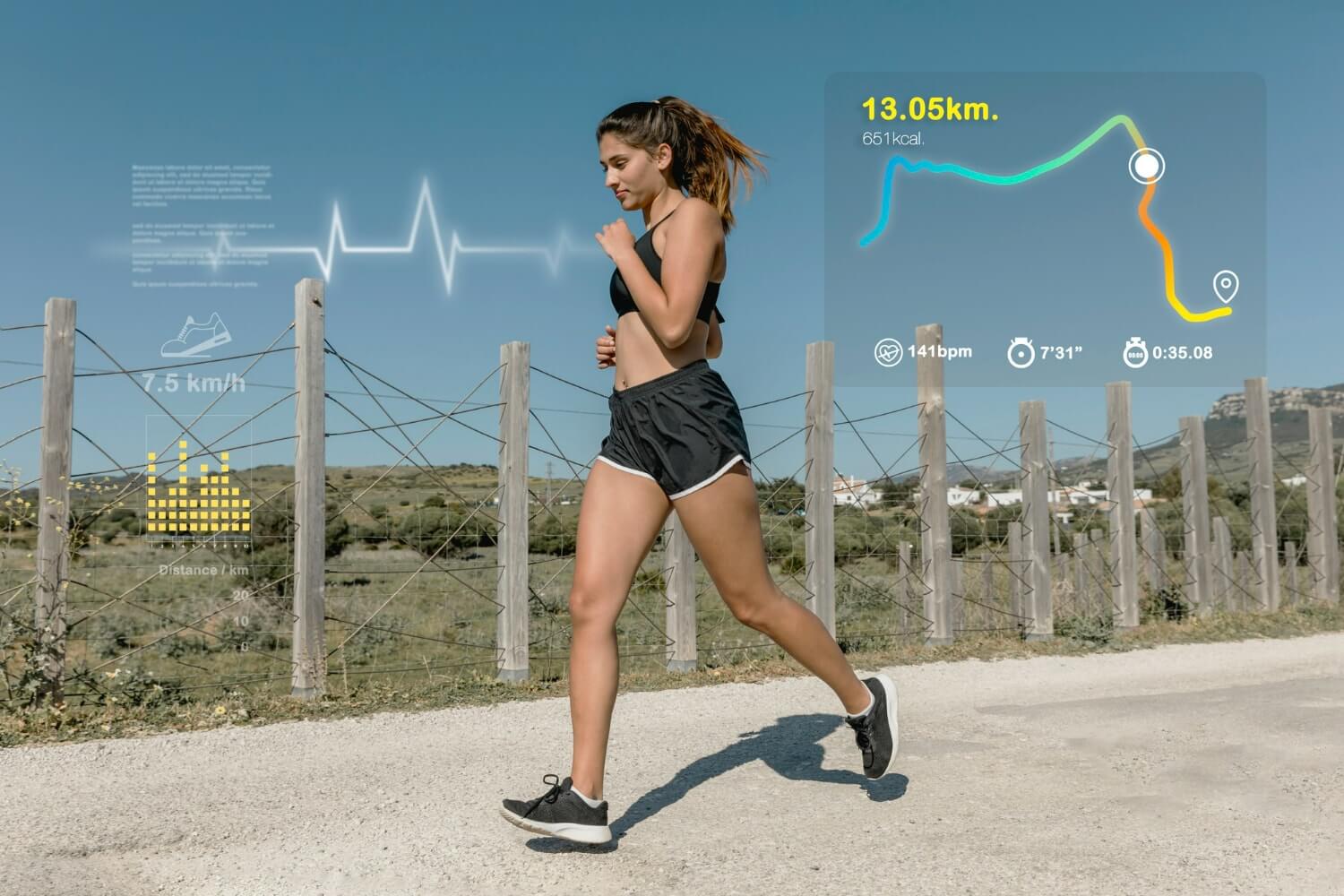
Heart rate is often the first metric people notice because it changes constantly. It reflects how hard your heart is working during physical activity, rest, and even stressful moments during the day. Watching how your heart rate responds during workouts helps you understand intensity and the maximum amount of physical activity your heart can take. Tracking key metrics and observing it during regular daily activity can reveal how your body handles stress and movement.
Over time, heart rate data helps estimate effort, energy use, and even how many calories are burned during workouts. While it is not an exact science, it gives useful context when paired with time spent moving and activity metrics like tracking steps and daily steps.
Resting Heart Rate RHR
Heart rate is usually the first metric people notice because it changes throughout the day. It reflects how hard your heart is working during workouts, daily activity, and even moments of stress. Over time, heart rate data helps estimate how many calories are burned during exercise and gives context to activity metrics like tracking steps, daily steps, and time spent moving. Rather than focusing on individual readings, heart rate becomes useful when you observe trends and how your body responds to different levels of effort and rest.
Heart Rate Variability HRV
Resting heart rate, often shown as resting heart rate RHR, measures how many heartbeats occur per minute when your body is fully at rest, usually during sleep. A lower RHR over time often indicates better cardiovascular fitness and improved recovery. Changes in resting heart rate can also reflect poor sleep, increased stress levels, illness, or shifts in training load, making it a reliable indicator of how your body is coping with daily demands.
Heart Rate Variability HRV
Heart rate variability, also known as HRV, looks at the time gap between heartbeats instead of how fast your heart is beating. This metric offers insight into how your nervous system responds to stress and recovery. Higher HRV is generally associated with better recovery and resilience, while lower HRV may suggest fatigue, poor sleep, or the need for more rest. Tracking HRV over time helps you understand when your body is ready to push harder and when it might benefit from slowing down.
Cardiovascular Fitness and Aerobic Fitness
Cardiovascular fitness reflects how efficiently your heart and lungs deliver oxygen throughout the body during physical activity. Fitness trackers estimate this using heart rate data, activity intensity, and performance during workouts. Improvements in cardiovascular fitness often appear as fewer beats needed to perform the same activity, better endurance, and quicker recovery. Over time, stronger aerobic fitness supports higher energy levels, a healthier immune system, and better overall health.
Calories Burned and Energy Use
Calories burned is one of the most familiar metrics, but it is also one of the most misunderstood. Fitness trackers estimate calories burned based on heart rate, movement, time spent active, and body data. This estimate helps provide context for physical activity and supports goals such as weight loss or maintaining a healthy weight. Calories burned are most useful when viewed alongside recovery, fitness level, and how your body feels rather than as a standalone number.
Sleep Quality and Recovery
Sleep quality and bedtime routine play a major role in how all fitness metrics behave. Trackers measure sleep patterns, deep sleep, total rest, and sleep schedule consistency to explain recovery and daily energy levels. Poor sleep often shows up as a higher resting heart rate, lower HRV, increased stress score, and reduced performance during workouts. Consistent sleep routines support better sleep, stronger recovery, and more stable fitness metrics over time.
Blood Oxygen Levels
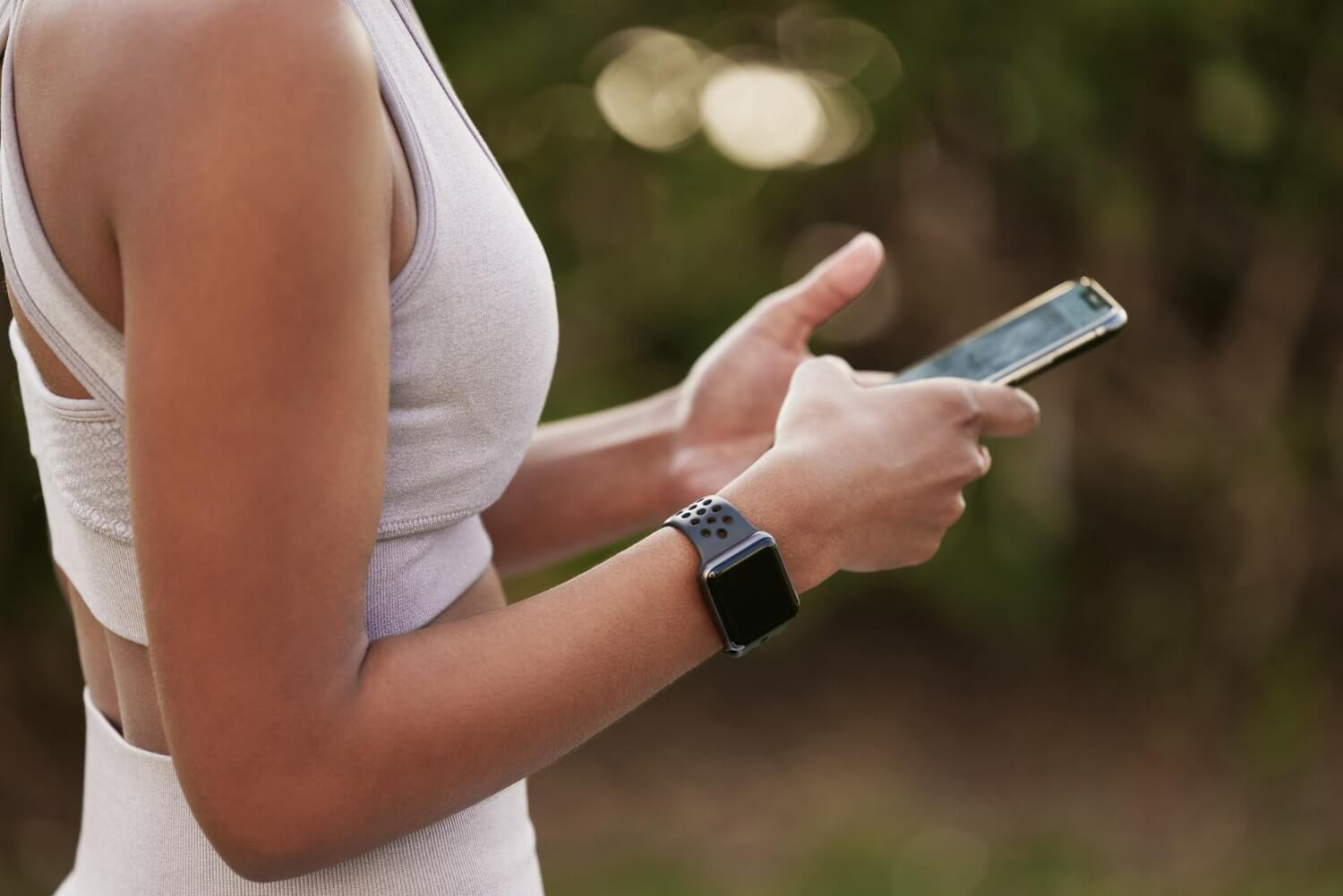
Blood oxygen levels show how efficiently oxygen is delivered throughout the body. While most adults maintain healthy blood oxygen levels naturally, tracking this metric can help highlight changes related to sleep quality, respiratory health, or recovery. When combined with heart rate, sleep, and activity data, blood oxygen levels help complete the picture of overall health.
How to Use Fitness Tracker Data
Once you understand what the numbers mean, the next challenge is learning how to live with them. Fitness trackers are powerful tools, but they can also become overwhelming if every metric feels like a daily evaluation. The goal is not to react to every spike or dip, but to observe patterns over time and use them as guidance rather than judgment.
Tracking works best when you zoom out. A single night of poor sleep or a lower HRV reading does not undo progress. What matters more is how your body responds across several days or weeks. This is where tracking becomes useful, because it helps you identify patterns related to stress, recovery, workload, and rest. Over time, these patterns make it easier to take proactive steps instead of guessing what your body needs.
Learning to focus on trends rather than daily fluctuations turns fitness data into something supportive rather than stressful.
Measuring Progress Beyond the Numbers
Progress does not always show up where you expect it to. Sometimes it appears as better sleep, more consistent energy, or a lower resting heart rate, even when your workouts stay the same. Other times, progress shows up as improved recovery, fewer stress-related dips in HRV, or the ability to handle intense exercise without feeling drained afterward. These changes matter just as much as visible results like weight loss or increased performance.
Fitness metrics help measure progress in ways that are not always obvious. They show how your body adapts, recovers, and responds to routine. When used consistently, they help connect effort with outcome, making it easier to stay motivated even when results feel slow.
This is especially helpful for most adults balancing work, movement, and personal time, where progress needs to fit into real life rather than an ideal schedule.
Fitness Tracking as Part of Everyday Living
Fitness tracking works best when it blends into daily life instead of becoming another task on your to-do list. Small habits like tracking steps, paying attention to sleep schedule, or noticing how stress affects heart rate gradually build awareness. Over time, that awareness leads to better choices around movement, rest, and recovery.
Health is not built in extreme moments. It is built through daily activity, consistent sleep, and manageable routines. Fitness trackers support this by turning everyday behaviors into measurable feedback, helping you stay focused without feeling restricted.
This approach fits naturally into modern city living, where routines are dynamic and time is shared between work, movement, and rest.
Where Lifestyle and Health Quietly Align
Living in spaces that support movement, rest, and routine makes staying active feel more natural. Access to walkable areas, nearby gyms, and places to unwind all affect how easily fitness habits stick. When daily activity becomes part of the environment rather than something you have to plan around, consistency follows.
Vista Residences embodies a lifestyle that prioritizes balance. With developments located throughout Metro Manila, often near universities, business districts, and essential amenities, it encourages routines that harmonize health, productivity, and personal time.
.png)