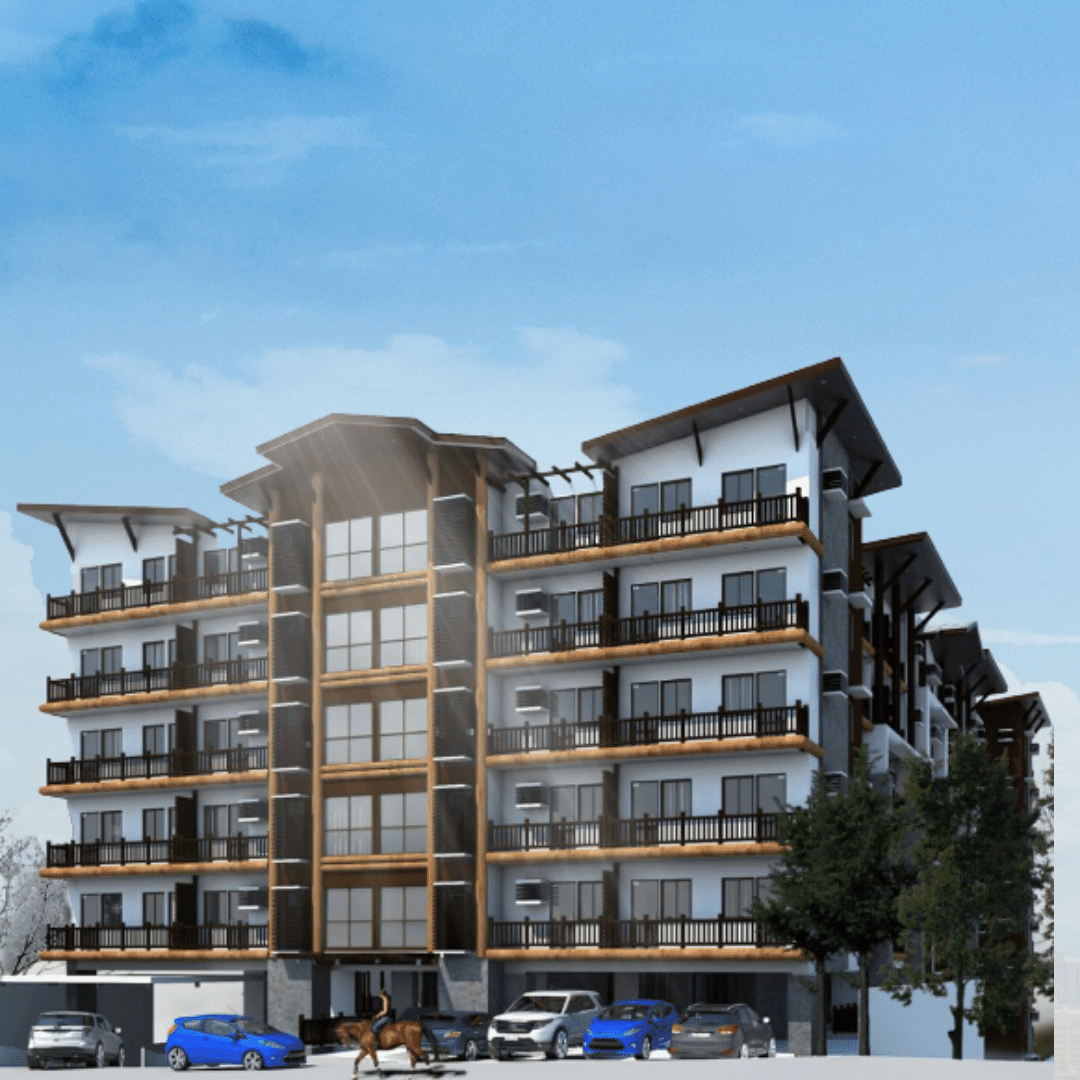
Taft Avenue is one of Manila's established urban corridors, bringing universities, transportation, healthcare, shopping, dining, and leisure to the same area. For property investors, this concentration of destinations can influence residential demand and the types of renters a property attracts. Students, young professionals, parents, and nearby employees each have different reasons for choosing housing in the area. These overlapping needs make location an important consideration when assessing a condominium as an investment in the Philippines.
Taft Avenue's University District Creates Consistent Rental Demand
Education is one of the strongest forces shaping Taft's residential market. Several universities operate along or near the corridor, creating a large student population that needs housing throughout the academic year. This concentration gives landlords access to a defined market while creating demand for different types of residential units.
With major universities concentrated along the corridor, properties near campuses can attract a recurring pool of potential tenants. Rents for properties near universities can also be relatively stable and resilient during economic downturns because education continues to generate housing needs, although actual rental performance still varies by property, pricing, and market conditions.
De La Salle University Anchors a Dense Educational Corridor
De La Salle University (DLSU) is located along Taft Avenue, with its Manila campus directly facing the College of Saint Benilde and near the Vito Cruz LRT-1 station. This places De La Salle University and Saint Benilde within a concentrated academic district. Additionally, other educational institutions in the surrounding area such as the St. Scholastica's College and Philippine Women's University, add further depth to the local student market.
For investors considering a condo in this academic district, the presence of these educational institutions can make proximity to campus an important consideration when assessing which properties may appeal to students.
Student Demand Supports a Deep Tenant Pool
For students, living near campus can reduce the time and cost associated with daily commuting. Parents may also prefer accommodation within a manageable distance of their children's school, particularly when moving to Manila for college. This helps explain the availability of studio and one-bedroom units suited to students and other individual renters.
Modern Urban Living Along a Major Metro Manila Corridor
Taft extends beyond its role as a university district. Residential buildings sit alongside retail centers, restaurants, offices, and entertainment venues, creating a modern urban center where residents can handle many daily needs within the surrounding area.
Commercial Establishments and Restaurants Within Easy Reach
Commercial establishments, restaurants, malls, and essential services form a major part of daily life around Taft. These businesses serve the surrounding universities as well as nearby residential communities, giving residents convenient places to eat, shop, run errands, and meet friends.
Leisure and Cultural Destinations Expand the Area's Appeal
The area also provides access to established destinations around Manila. Rizal Park, Intramuros, Manila Bay, the Cultural Center of the Philippines, and the Rizal Memorial Sports Complex offer options for recreation outside school and work. These destinations add variety to the everyday experience of residents.
A Strategic Location Connected to Key Destinations
Transportation gives Taft an important role within Manila's urban network. Taft Avenue is also close to tourist attractions such as Rizal Park and the Cultural Center of the Philippines, giving residents opportunities to explore established cultural and leisure destinations within Manila. Rail and road connections link the corridor with academic, medical, commercial, and employment districts, making accessibility a practical consideration for people choosing where to live.
LRT Access Links Taft With Major Parts of the City
LRT-1 runs along Taft Avenue, serving stations such as Gil Puyat, Quirino, Vito Cruz, Pedro Gil, and United Nations. Buses, jeepneys, and taxis provide additional options. For investors, proximity to an LRT station can strengthen a property's appeal to renters who want simpler daily commutes.
Access to Healthcare, Employment, and Business Districts
The corridor is close to the Philippine General Hospital and UP Manila, while Makati City and Pasay are also accessible from Taft. These connections extend the area's relevance to healthcare workers, employees, and other professionals, giving investors a broader audience to consider when assessing a property.
Infrastructure Adds a Longer-Term Dimension
Taft already has established transport infrastructure, while planned projects such as the Metro Manila Subway may influence connectivity in the years ahead. Investors can monitor these developments when assessing growth prospects, while treating future infrastructure as a consideration rather than a guaranteed driver of property values.
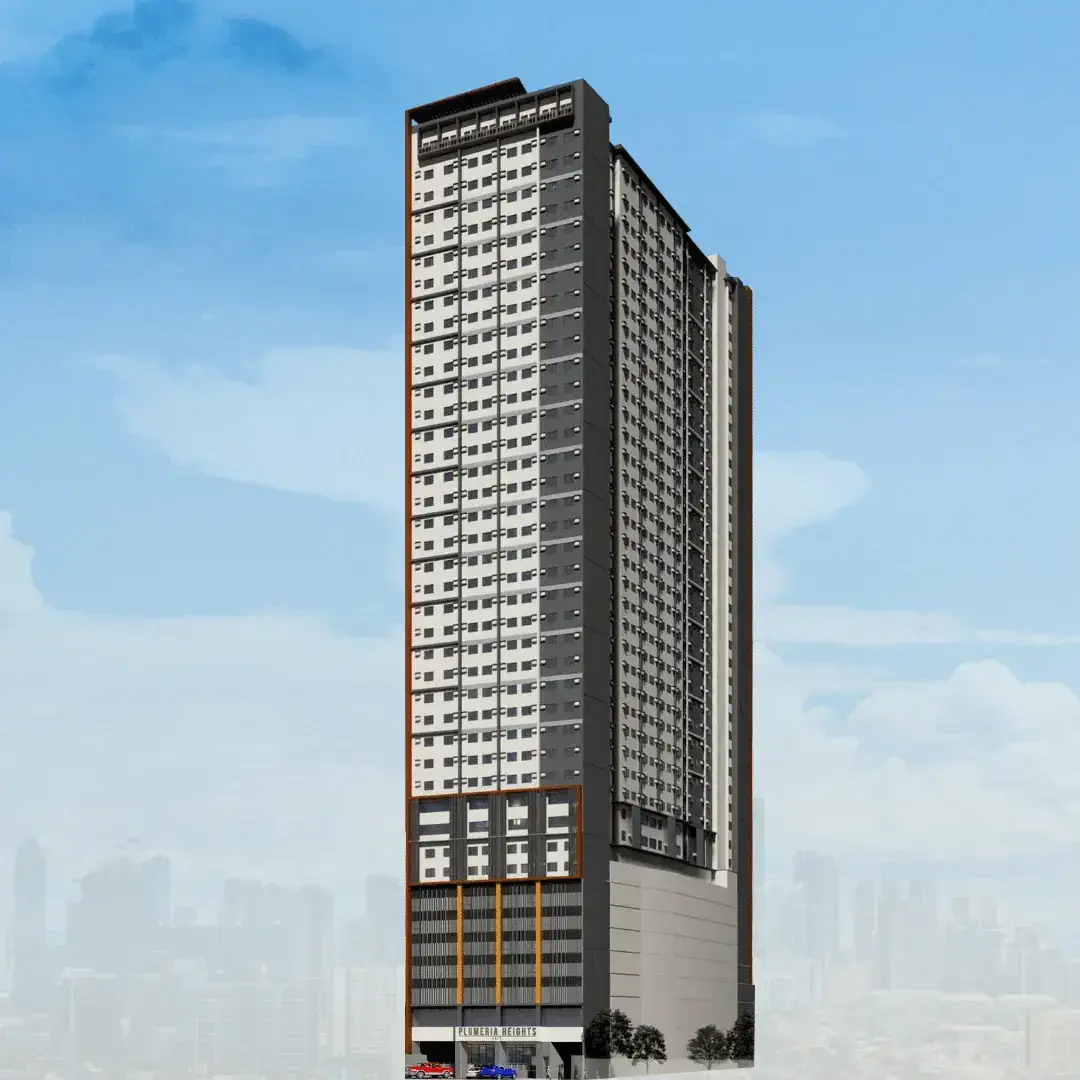
Condominium Choices Shaped by Taft's Tenant Market
The area's tenant profile influences the type of condominium that may attract renters. Students and young professionals often prioritize manageable unit sizes, security, transportation, and useful amenities. Investors can therefore assess whether a property's layout and facilities correspond with the market it intends to serve.
Compact Units Fit Student and Professional Demand
Studio and one-bedroom units are common choices for individual renters who value location more than extensive floor space. These layouts can cater to students, young professionals, and other people who want to live close to school or work. Unit size can also affect the property's rental appeal and eventual sale prospects.
Amenities Can Strengthen Everyday Convenience
Amenities can affect how a condominium compares with competing properties. A swimming pool, fitness gym, study spaces, security features, and shared areas can add value for residents who spend much of their time at home. These facilities may be particularly relevant to students and professionals seeking a practical combination of comfort and leisure.
Vista GL Taft Reflects the Area's Location-Driven Appeal
Vista GL Taft is an example of a residential project positioned within this university and healthcare corridor. The development includes a swimming pool, gym, study lounges, and a study hall, while its location provides access to nearby universities, the Philippine General Hospital, and LRT-1 stations.
Vista Taft is likewise situated near De La Salle University, College of St. Benilde, St. Scholastica's College, Philippine Women's University, commercial centers, hospitals, and public transportation. Together, these projects illustrate how Vista Residences developments can be positioned around established urban demand.
Vista Residences projects can cater to the steady influx of tenants associated with university-centered locations, particularly when their unit layouts and amenities correspond with student and professional lifestyles.
Rental Income Potential and the Reality of Market Competition
A large supply of high-rise condominiums means investors face a competitive rental environment. Rental income depends on more than the presence of nearby universities. Unit pricing, occupancy, property condition, and operating expenses all influence whether a property can produce satisfactory net returns.
A Steady Student Market Can Support Rental Demand
The regular influx of students creates recurring accommodation needs around universities. Properties within practical commuting distance can appeal to students and parents who prioritize convenience. Yet performance can vary according to the building, unit, furnishings, management, and exact location.
Oversupply Creates More Competition Among Landlords
The number of condominium developments gives renters plenty of options. Owners may need to compete on rental price, unit condition, furnishings, amenities, and responsiveness to tenants. Market conditions can differ considerably between properties, particularly according to proximity to universities and LRT stations. A high advertised rental rate does not necessarily mean a unit will remain occupied.
For buyers, elevated inventory can provide more units to compare and greater freedom to assess price, condition, amenities, and competing listings before purchasing. Metro Manila's condominium market has continued to carry substantial inventory, creating greater choice for purchasers, although this should not automatically be treated as evidence that every Taft property is in a favorable buyer's market.
Ownership Costs Matter to Net Returns
An investor also needs to account for association dues, maintenance, taxes, furnishing, repairs, vacancy periods, and property management. Strong property management can help mitigate tenant-turnover issues by keeping units maintained, addressing resident concerns promptly, and supporting a consistent rental experience. These expenses can reduce the money retained from monthly rent. Calculating expected net returns provides a more realistic basis for comparing properties than looking at rental income alone.

Location as the Foundation of a Taft Property Investment
Location establishes the market a property can reach, but the individual development determines how well it can compete within that market. Unit configuration, price, building management, physical condition, and operating costs can make two properties in the same district perform very differently.
Proximity Creates Practical Value for Everyday Living
Being near schools, transport, healthcare, dining, workplaces, and leisure destinations can reduce the time and expense associated with daily travel. This matters to students and young professionals balancing school, work, and personal activities. For residents, the value lies in having regular destinations within reasonable reach.
Turn Location Into an Investment Checklist
Before purchasing, investors can compare properties using specific measures: distance to universities and LRT stations, rental rates for comparable units, expected occupancy, monthly ownership costs, unit price, building management, amenities, and competing listings.
Investors can also compare current listings with completed projects and comparable units before deciding whether the asking price reflects local conditions. While continued development may support long-term interest in the area, it should not be treated as a guaranteed driver of property values.
The property's immediate surroundings should also be checked for traffic congestion, pollution, and flood vulnerability. This process turns Taft's location advantage into measurable factors that can be weighed against the property's actual price and expected rental income.
Conclusion: A Location Built Around Access and Demand
Taft Avenue combines education, transportation, healthcare, commerce, employment, and leisure within an established part of Manila. Its academic concentration can support a steady pool of prospective renters, while its transport network connects the area to major parts of the metro. For investors, these characteristics make Taft worth examining, but location is only the starting point. Property price, ownership costs, competition, management, and the needs of the target market ultimately shape the investment case.