
Image source: Magnific
Modern life has reshaped the way people sleep. In cities where workdays extend late into the evening, and digital screens remain constantly within reach, healthy sleep has become increasingly difficult to maintain.
Many Filipinos wake up exhausted despite spending enough time in bed, while others struggle to fall asleep until the early morning hours, even when they already feel tired. At the center of these sleep issues is the circadian rhythm, the body’s internal timing system that regulates the sleep-wake cycle over 24 hours.
Research from organizations such as the National Institutes of Health and the National Heart, Lung, and Blood Institute continues to show how circadian rhythm affects metabolism, cardiovascular health, emotional stability, and cognitive performance. As sleep medicine research evolves through 2026, specialists increasingly recognize quality sleep as one of the foundations of long-term well-being rather than simply a recovery period between workdays.
Why the Circadian Rhythm Matters More Than Ever
The body’s sleep-wake cycle depends on an internal clock located in a region of the brain called the suprachiasmatic nucleus. This system coordinates internal processes that influence alertness, hunger, hormone release, and sleep timing throughout the day.
During daylight hours, bright light and natural sunlight signal the body clock to stay awake and maintain focus. As evening approaches, melatonin production gradually rises and induces sleepiness. At the same time, body temperature begins to decrease, helping the body transition toward a good night's sleep.
The problem is that modern routines rarely follow this natural cycle anymore. This disconnect between lifestyle habits and biological timing helps explain why poor sleep has become so common.
Modern Habits That Quietly Disrupt the Body Clock
Several lifestyle factors gradually interfere with healthy sleep patterns:
- Staying on phones or laptops before going to bed
- Working rotating shifts or overnight schedules
- Sleeping and waking at inconsistent hours
- Limited exposure to natural light during daytime hours
- Excessive caffeine late in the day
- Frequent travel across multiple time zones
- Long hours spent indoors with minimal natural sunlight
Over time, these habits interfere with the circadian rhythm for better sleep and make it harder for the body to maintain healthy sleep.

Image source: https://www.magnific.com/free-photo/child-with-social-media-addiction_26527519.htm#from_element=cross_selling__photo
The Everyday Habits That Quietly Damage Sleep Quality
Not every sleep problem begins as a medical condition. Many start through ordinary routines that slowly create sleep deprivation, insufficient sleep, and poor sleep quality.
Adults generally require seven to nine hours of sleep each night, yet many consistently sleep far less because of long commutes, demanding work schedules, or endless digital distractions. Sleep deprivation may initially feel manageable, but the body eventually responds through fatigue, irritability, reduced concentration, and emotional exhaustion.
Poor sleep can also affect immune function, appetite regulation, and cardiovascular health. Researchers studying circadian rhythm disorders increasingly point to the connection between inconsistent sleep patterns and long-term stress on the body.
Night Owl Versus Early Bird Sleep Patterns
Some people naturally prefer earlier sleep timing, while others feel more mentally alert late at night.
An early bird usually becomes sleepy earlier in the evening and functions best during morning hours. A night owl, meanwhile, often experiences stronger alertness late at night and struggles with early bedtimes.
For example, a night owl who must wake up before sunrise every day may experience chronic sleep deprivation despite trying to maintain a normal daily routine.
Why Deep Sleep Matters
Deep sleep plays a major role in physical recovery and brain function. During this stage of nighttime sleep, the body repairs tissue, consolidates memory, and regulates important biological processes.
When sleep becomes fragmented or shortened, deep sleep duration often decreases. This contributes to poor sleep quality even if someone technically spends enough hours in bed.
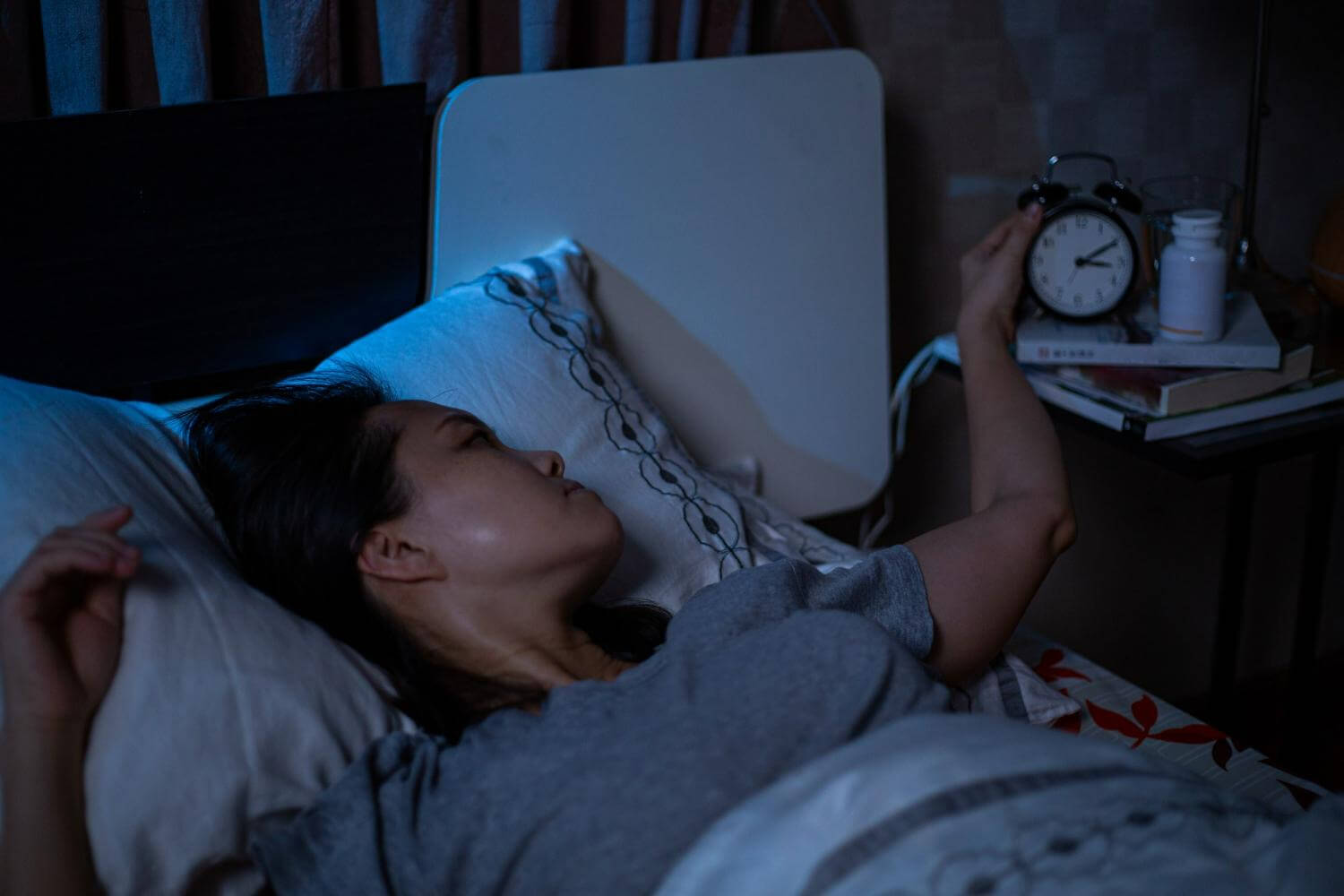
When Circadian Rhythm Disruption Becomes a Sleep Disorder
Occasional trouble sleeping is common. Persistent disruption, though, may point toward more serious sleep disorders that affect long-term health.
Circadian rhythm disorders occur when the body's sleep-wake cycle becomes misaligned with daily schedules or environmental cues.
Sleep Phase Delay and Jet Lag
Sleep phase delay is one of the most common circadian rhythm disorders among students and working professionals. People with this condition consistently struggle to fall asleep until very late at night and often find it difficult to wake up in the morning.
Heavy blue light exposure at night can worsen this condition because it delays melatonin production and confuses the body clock.
Jet lag creates a similar form of disruption. Traveling across multiple time zones forces the internal clock to adjust to a completely different daylight schedule. Many travelers experience daytime sleepiness, digestive discomfort, and poor sleep for several days after arrival.
Chronic Insomnia and Sleep Apnea
Other sleep disorders are chronic insomnia and sleep apnea. Chronic insomnia involves ongoing difficulty falling asleep, staying asleep, or returning to sleep after waking. People with chronic insomnia often describe feeling exhausted while remaining mentally alert at bedtime. Over time, this pattern can create anxiety surrounding sleep itself.
Sleep apnea is another major condition linked to poor sleep quality. This disorder causes repeated interruptions in breathing during sleep, preventing the body from maintaining restorative deep sleep cycles.
Common symptoms include:
- Loud snoring
- Frequent nighttime waking
- Dry mouth upon waking
- Morning headaches
- Difficulty concentrating during the day
- Severe daytime fatigue
Many people dismiss these symptoms as ordinary exhaustion, which delays proper diagnosis and treatment.

Other Factors That Affect Healthy Sleep
Several external factors may also interfere with healthy sleep:
- Neurological disorders affecting sleep regulation
- Certain medications, such as stimulants or corticosteroids
- High stress levels and emotional strain
- Irregular work shifts
- Long-term exposure to artificial light
- Excessive caffeine or alcohol intake
Because sleep issues often overlap, sleep medicine specialists usually evaluate sleep timing, breathing disturbances, and lifestyle factors together rather than focusing on a single symptom.
Building a Daily Routine That Supports Circadian Rhythm for Better Sleep
Improving sleep quality usually begins with consistency rather than extreme lifestyle changes. Small adjustments maintained daily often produce stronger long-term results than temporary sleep trends.
Start With a Consistent Sleep Schedule
A consistent schedule helps reinforce the body's internal clock. Going to bed and waking up at roughly the same time daily allows the body to predict when to stay awake and when to prepare for sleep. This includes weekends.
Large shifts in sleeping and waking hours can disrupt the natural sleep-wake cycle, similar to mild jet lag. A stable wake-up schedule is often more important than bedtime itself because morning light exposure helps reset the body clock each day.
Use Natural Light Strategically
Natural light remains one of the strongest regulators of circadian rhythm. Morning sunlight exposure supports alertness during the day and improves melatonin production later at night. Spending even a short amount of time outdoors shortly after waking may help improve sleep quality.
At night, reducing bright light and blue light exposure becomes equally important. Helpful evening habits include:
- Lowering screen brightness
- Avoiding devices before bedtime
- Using warmer indoor lighting
- Limiting mentally stimulating activities late at night
- Creating quieter evening routines
Physical Activity and Sleep
Physical activity can strengthen natural circadian rhythms by supporting energy regulation and body temperature changes. Morning exercise and workouts during the late afternoon often support better sleep. Intense exercise too close to bedtime, though, may keep some people mentally alert longer than expected. The goal is consistency rather than intensity.
Creating an Environment That Encourages Restful Sleep
The sleep environment itself strongly influences sleep quality. A room cool enough for comfort may support deeper nighttime sleep because body temperature naturally drops before rest. Excessive heat, noise, and bright light can interrupt restorative sleep cycles.

Relaxation techniques such as meditation, breathing exercises, journaling, or reading may also help reduce mental stimulation before bedtime.
Some individuals consider melatonin supplements or melatonin supplementation to manage temporary sleep problems. While these approaches may help in specific situations, specialists generally recommend addressing underlying sleep patterns and lifestyle factors rather than depending entirely on supplements.
Designing Spaces and Lifestyles That Encourage Better Sleep
Sleep is shaped not only by habits but also by the environments people move through every day. In major urban centers, heavy traffic, noise pollution, long commuting hours, and constant stimulation often make healthy sleep harder to maintain. Many professionals arrive home mentally exhausted but still overstimulated enough to remain awake late into the evening.
This growing awareness around wellness has influenced how residential spaces are designed in Metro Manila. Developments such as Laureano di Trevi Towers place residents closer to offices, transportation routes, and commercial districts, potentially reducing commuting fatigue and allowing more time for restorative daily routines. Access to walkable surroundings, natural sunlight, and quieter residential environments may also support healthier sleep patterns in highly active business districts.
Small Daily Adjustments That Gradually Improve Sleep
Most people do not reset their circadian rhythm overnight. The body clock responds more effectively to repeated habits maintained consistently over time. For someone experiencing poor sleep quality, the goal is usually not perfection. It is a gradual stability.
Sleep specialists also emphasize that healthy sleep is strongly connected to emotional and mental well-being. Stress, anxiety, and overstimulation can keep the body alert even when physically exhausted.
For this reason, better sleep often depends on slowing the body down before bedtime rather than forcing sleep to happen. Calmer evening routines, quieter environments, and reduced mental stimulation help signal to the brain that the day is ending.
Restoring the Body’s Natural Rhythm Through Sustainable Sleep Habits
The circadian rhythm affects far more than bedtime. It influences energy levels, metabolism, focus, recovery, emotional balance, and overall well-being.
There is no single formula that works for everyone because sleep needs vary depending on age, lifestyle, work demands, and biological tendencies. Some naturally function better with earlier sleep timing, while others need gradual adjustments away from long-standing night owl habits.
What remains consistent across sleep research through 2026 is the growing recognition that quality sleep is not optional. It is one of the body’s most important biological processes, directly connected to mental clarity, emotional resilience, physical recovery, and long-term health.
.png)