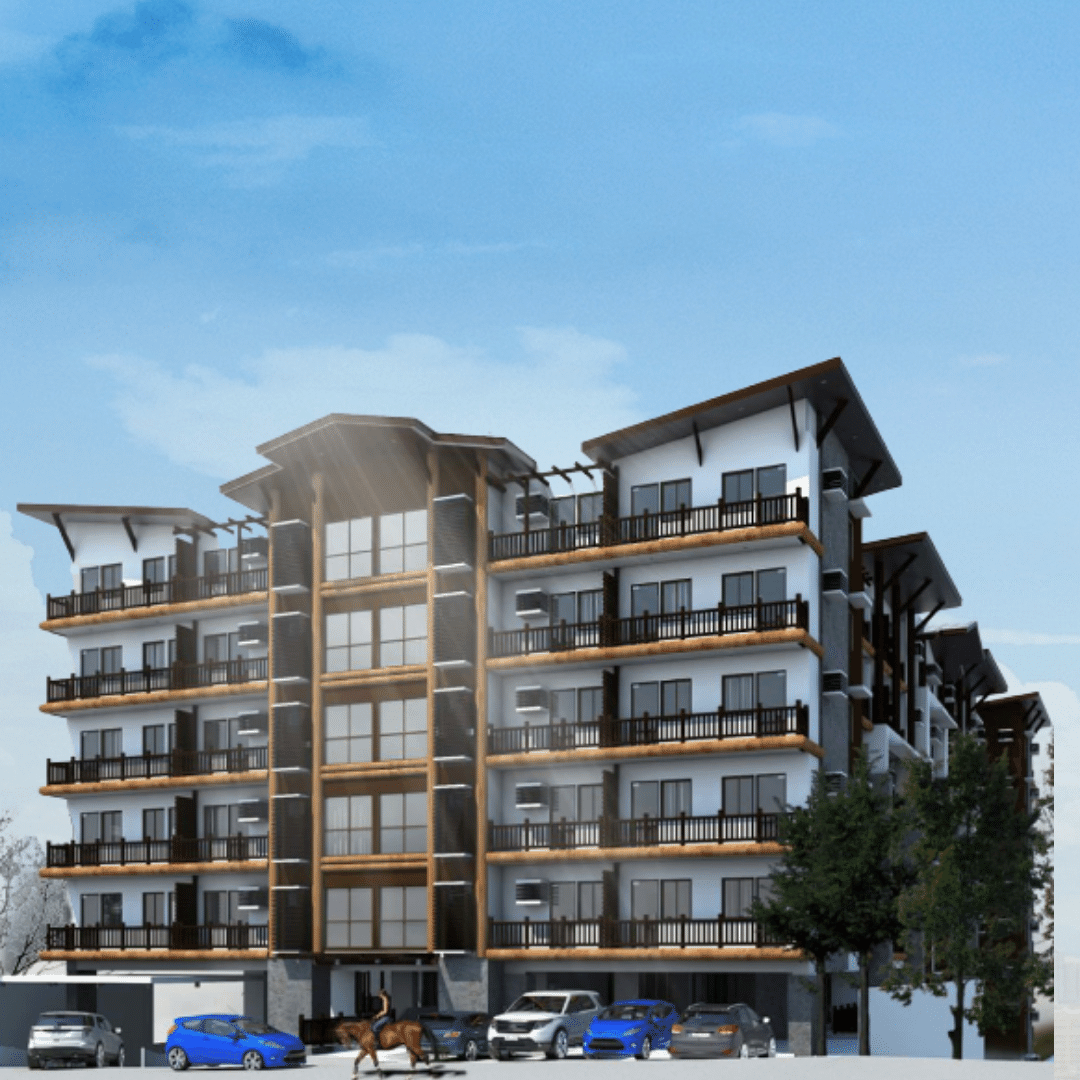
There is something reassuring about being able to see exactly where your money is going.
You can walk into the condo unit, check the actual layout, look at the view, inspect the finishes, visit the amenities, and get a feel for the building before deciding on the excellent investments RFOs offer. There is much less left to imagination, which matters when the purchase involves millions of pesos and possibly a large part of your savings.
That is one reason ready-for-occupancy (RFO) condominiums continue to appeal to buyers and investors. Instead of waiting for a project that is still in the planning stages or under construction, you are looking at an actual property that already exists. Once the paperwork, payment requirements, and turnover process are completed, the unit can potentially be used much sooner.
For parents looking for a place for a college student, young professionals buying their first residential property, overseas Filipino workers, or investors who want to start earning from a unit sooner, that certainty can be a major advantage.
So, why do investors prefer ready-for-occupancy condominiums? More often than not, it comes down to knowing what they are getting, when they can use it, and how the property fits into their plans right now.
What Does Ready for Occupancy Mean?
The RFO meaning is fairly straightforward. A ready-for-occupancy RFO unit is a completed condominium unit that is available for turnover once the buyer satisfies the developer's requirements.
Unlike pre-selling units, where you are purchasing before the condominium is fully completed, an RFO condo unit already exists. You can visit the property, inspect the building, and see the unit's actual size and condition before making a final decision.
This distinction matters because buying real estate always involves a level of uncertainty. With pre-selling, part of the decision is based on plans, timelines, renderings, projected amenities, and what the surrounding area may look like in the future. With an occupancy condo, much more of that information is already visible.
Neither option is automatically better. The more useful question is which one matches your timeline, budget, and reason for buying.
Why Investors Prefer Ready for Occupancy Condominiums
One of the strongest arguments for RFO properties is simple: there are fewer unknowns.
When the building is already complete, investors can evaluate the actual property rather than relying mainly on projections. You can check how the unit feels in person, how busy the surrounding community is, how well the common areas are maintained, and whether the amenities you saw in marketing materials are actually useful.
That can make a major financial decision feel considerably more grounded.
It is especially useful for buyers who are not simply purchasing a condo for themselves. Parents looking for accommodation near a university, overseas Filipino workers investing from abroad, and foreign investors may all benefit from having an existing property that can be inspected and documented before purchase.
A Condo Unit You Can Actually Inspect
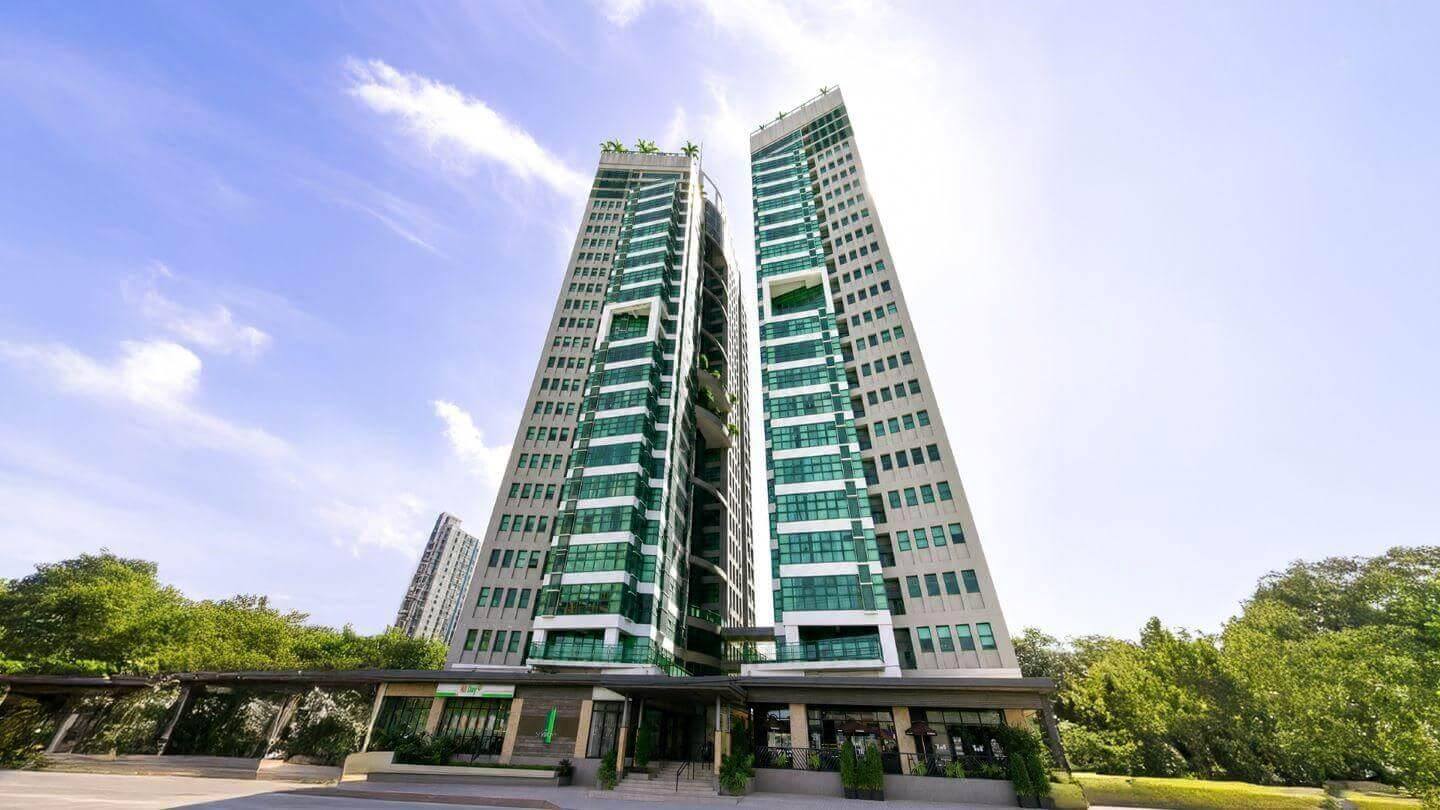
There is a huge difference between studying a floor plan and standing inside the room.
With an RFO condo unit, you can inspect the unit's actual size, layout, view, lighting, finishes, and condition before committing. You can check whether furniture will fit where you imagined it, whether the kitchen has enough space for your needs, and whether the overall layout works in real life.
This is the property equivalent of seeing something in person before finally deciding whether it belongs in your cart, except the stakes are obviously much higher than returning a shirt.
An inspection also gives buyers the chance to spot concerns before move-in. Doors, windows, plumbing fixtures, outlets, cabinets, flooring, walls, ventilation, and anything included in the turnover should be checked carefully. If appliances or furnishings are part of the deal, confirm their condition as well.
RFO units reduce one type of uncertainty, but they do not eliminate the need for due diligence.
Occupancy Condo Units Remove the Long Waiting Period
The biggest difference between pre-selling condos and occupancy condo units is probably the timeline.
Pre-selling properties may take several years to complete, depending on the development. That can be perfectly reasonable if you are investing for the future and do not need the unit immediately.
But sometimes you need the property now.
Imagine a parent whose child is beginning university in Manila this semester. A pre-selling condo scheduled for turnover several years later might be an interesting investment, but it does not solve the student's current housing needs. A ready-for-occupancy condo does.
The same goes for a young professional who wants to live closer to work or an investor who would rather start preparing the property for rent instead of waiting through construction.
Once the necessary payment and turnover requirements are completed, RFO units allow buyers to move toward actual use much faster.
Move In Means Getting to Use the Amenities Too
RFO buyers are not only getting quicker access to the condo unit. They can also begin using the building and its existing amenities once occupancy requirements are satisfied.
That may include facilities such as a swimming pool, fitness areas, lounges, function spaces, security services, and other modern amenities provided by the development.
For investors, seeing these facilities before buying is valuable because amenities can affect tenant demand. For parents and residents, it becomes easier to judge whether those facilities genuinely improve everyday living.
You can also assess the location in real time. How far is the nearest grocery store? What does the commute actually feel like? Are public transport options convenient? Is the area active enough to feel accessible without becoming overwhelming? How close are universities, offices, restaurants, hospitals, or commercial areas?
An RFO property lets you answer those questions using the neighborhood that exists today, not the neighborhood you hope will exist by turnover.
Ready for Occupancy Can Mean Lower Construction Risk
Buying pre-selling involves accepting a certain amount of construction and delivery risk because the property is not finished yet.
With RFO condos, that particular concern becomes much smaller because the building has already been completed.
You still have other risks to consider. The market value can change. Rental demand can rise or fall. Association dues and other expenses will continue. A unit can remain vacant longer than expected. Property management quality can affect the experience of both owners and tenants.
But you are no longer waiting to see whether the building itself will reach completion before you can use it.
For investors who value certainty, that can make RFO properties especially attractive. This is also why developer reputation still matters. Whether you are looking at projects from Federal Land, Vista Land, or other real estate companies, review the developer's track record, completed projects, financial stability, property management arrangements, and building quality rather than relying on the brand name alone.
A finished property gives you the advantage of being able to check much of that for yourself.

Pre-selling usually has one major advantage: Price
There is a reason pre-selling remains attractive to investors.
It can offer a lower entry price.
Buyers who purchase during the planning stages or early construction period may get pricing that reflects the fact that the property is not yet complete. They also have more time before turnover, which can make the purchase easier to prepare for financially.
RFO properties, on the other hand, may carry a higher price because you are purchasing a completed property with existing amenities, a more established community, and the possibility of immediate use.
That difference is important when comparing pre-selling properties with RFOs.
If your priority is entering the market earlier and you are willing to wait, pre-selling may make more sense. If your priority is seeing the property first and using it sooner, the higher price of an RFO unit may be worth considering.
The question is not simply which option is cheaper. It is what you are receiving in exchange for the price.
Flexible Payment Terms Can Make RFO More Manageable
A common assumption is that because an RFO unit is already completed, the buyer has to produce the entire purchase price immediately.
That is not always the case.
Depending on the developer and property, buyers may encounter flexible payment terms such as a down payment followed by bank financing, installment arrangements, or other flexible payment options. Some completed units may also come with possible discounts, move-in promos, or move-in freebies, although these offers vary and should always be checked directly before making a decision.
This is where buyers need to look beyond the headline monthly amount.
Ask for a complete payment computation. How much is the down payment? When is the remaining balance due? What financing requirements apply? Are taxes and fees already included? What happens after any promotional payment period ends?
Flexible payment terms are helpful only when the entire arrangement fits comfortably within your budget.
Payment Terms Should Include the Costs People Forget
The selling price is not the only number that matters.
Condo ownership can also involve association dues, taxes, insurance, utility services, maintenance, furnishing, repairs, parking, and other expenses. If you plan to rent the unit, you may also need to account for vacancy periods, property management fees, furnishing costs, and repairs between tenants.
For someone buying a condo for personal use, everyday practicalities matter too. Confirm whether water and electricity are already connected or simply ready for activation. Ask about meter setup, internet connection, deposits, and any requirements before move-in.
A completed condo with beautiful amenities is significantly less exciting when you arrive on day one and discover that your internet connection still needs weeks to process.
The practical details deserve as much attention as the lobby.
Why Occupancy Matters for Investors Who Want Rental Income
The word occupancy becomes particularly important when you are buying a condo as an investment.
A pre-selling unit cannot generate rental income while it is still being built. An RFO condo potentially can once the purchase, turnover, furnishing, and leasing requirements are completed.
That shorter path to having a tenant is one of the main reasons some investors prefer RFO properties.
It also gives investors more information to work with. Because the building and surrounding community already exist, you can check current rental listings, compare similar condominium units, observe tenant demand, and estimate how competitive your condo might be.
Still, rental income should never be treated as automatic.
You may see claims that some RFO units can generate rental yields of around 5 to 7 percent annually, but any figure like that should be treated as an estimate rather than a guarantee. Actual returns depend on the unit's price, monthly rent, vacancy periods, association dues, taxes, maintenance, furnishing costs, and the market you are entering.
The calculation should be based on the actual property, not a general promise attached to RFO investing.

Location Matters Just as Much as the Condo
A ready unit in the wrong location does not suddenly become a good investment simply because you can move in tomorrow.
Demand still matters.
A condominium in a prime real estate area may appeal to more tenants because it gives them access to universities, business districts, transportation, hospitals, retail areas, or other everyday destinations.
For student-focused properties, being close to a university can be particularly useful. Parents may value a shorter commute and easier access to school, while investors may see demand from students and families who need housing near campus.
The same logic applies to business districts, Quezon City, Makati, or markets outside Metro Manila such as Cagayan de Oro. A property's location should always be evaluated based on the people who actually need to live there.
Investors should study the community, not just the building.
RFO Properties Give Investors More Existing Data
One underrated benefit of buying a completed property is that fewer parts of your investment analysis have to be hypothetical.
You can research current rental prices, compare existing units for sale, inspect the common areas, ask about association dues, observe how the building is managed, and see which businesses already operate nearby.
You can also look at how other unit owners are using their properties. Are many units rented to students? Are residents mostly professionals? Are there several competing listings within the same building? How quickly do available units appear to move?
That makes it easier to estimate current market value and understand the kind of demand surrounding the property.
You still have to make assumptions about the future because no real estate investment comes with guaranteed appreciation. The difference is that an RFO property gives you more existing information to build those assumptions around.
For investors who prefer actual data over projections, that can be one of the strongest benefits.
Do RFO Units Appreciate Over Time?
They can, but appreciation needs context.
Real estate can increase in value over time when demand grows, infrastructure improves, and an area continues developing. But an RFO condo does not automatically appreciate simply because the building is finished.
Location, property maintenance, supply of competing units, building quality, market conditions, and the wider economy all influence value.
This is why appreciation should not be the only reason you invest.
A stronger investment case looks at several things at once. Can the property provide useful housing? Is there potential rental demand? Does the location remain relevant? Can you comfortably afford the ongoing costs? Does the unit have qualities future buyers or tenants may still want?
If appreciation happens on top of those benefits, even better.

When Pre-Selling Condos May Be the Better Choice
For all the advantages of RFO, there are situations where pre-selling can make more sense.
If you are investing several years ahead, do not need immediate occupancy, and want a potentially lower entry price, a pre-selling condo may fit your plan better. It can also give buyers more time to prepare financially before turnover.
Some investors choose pre-selling properties in developing locations because they are willing to wait for both the property and surrounding area to mature. That can create opportunities, but it also comes with more uncertainty.
You cannot yet inspect the finished condo unit. The amenities are still plans. The surrounding market could look different by the time it's completed. Construction may take years.
That is the tradeoff.
RFO gives you more certainty today. Pre-selling can offer a different price point and a longer investment timeline.
What Makes a Condominium a Good Investment?
A condominium can be a good investment when it solves a real need, and the numbers support the decision.
Being a condo does not automatically make a property a worthy investment.
Strong demand, accessibility, nearby universities or employment centers, quality property management, reasonable acquisition cost, useful amenities, and future development in the area can all contribute to value.
Your reason for buying matters too.
A parent purchasing near a university may care about providing housing for a child now and renting or selling the property later. A young professional might want a home close to work with the option to keep it as an investment in the future. Another buyer may be focused primarily on passive income.
Those buyers can look at the exact same condo unit and value it differently.
The important thing is knowing which benefit actually matters to you.
Due Diligence Still Matters With a Ready for Occupancy Condo
Seeing the actual property makes due diligence easier, but it does not replace it.
Before buying, review ownership documents, payment terms, restrictions, association dues, turnover conditions, and any other recurring costs. Inspect the unit carefully and look at the common areas throughout the building.
Ask about maintenance and property management. Confirm the status of utility services. Compare the unit with similar properties nearby. If you intend to rent it, look at actual rental prices rather than relying only on projected income.
It is also worth asking why a particular RFO unit is still available. There may be a perfectly ordinary explanation, but the answer can help you understand the unit's floor level, layout, price, view, condition, or appeal compared with other units.
The fact that you can inspect an RFO property means you should make full use of that advantage.
Ready for Occupancy or Pre-Selling? Start With Your Timeline
There is no single property type every investor should prefer.
Some buyers want the lower entry price and longer timeline of pre-selling units. Others would rather put their money into something they can already see, inspect, occupy, and potentially rent.
That is why RFO properties continue to appeal to investors. They replace part of the waiting with certainty.
For buyers exploring properties in Metro Manila, including university districts where students and young professionals create consistent housing demand, developments from Vista Residences are among the options that can be compared alongside other completed and pre selling condominiums. The same rules should apply regardless of developer: inspect the actual property, study the location, understand the payment terms, calculate the ongoing costs, and make sure the investment fits your budget and timeline.
If you want to enter at an earlier stage and have years before you need the property, pre selling deserves consideration. If you want to walk through the condo, understand the existing community, and potentially move in or prepare the unit for rent sooner, RFO may be the more practical choice.
Because when you are deciding where to put your hard earned money, there is real value in being able to see what you are buying before you say yes.
.png)